- By Dick Fleming on Friday, May 22nd, 2026 in Cleaning Tips & Techniques, Fabric & Furniture Protection. No Comments
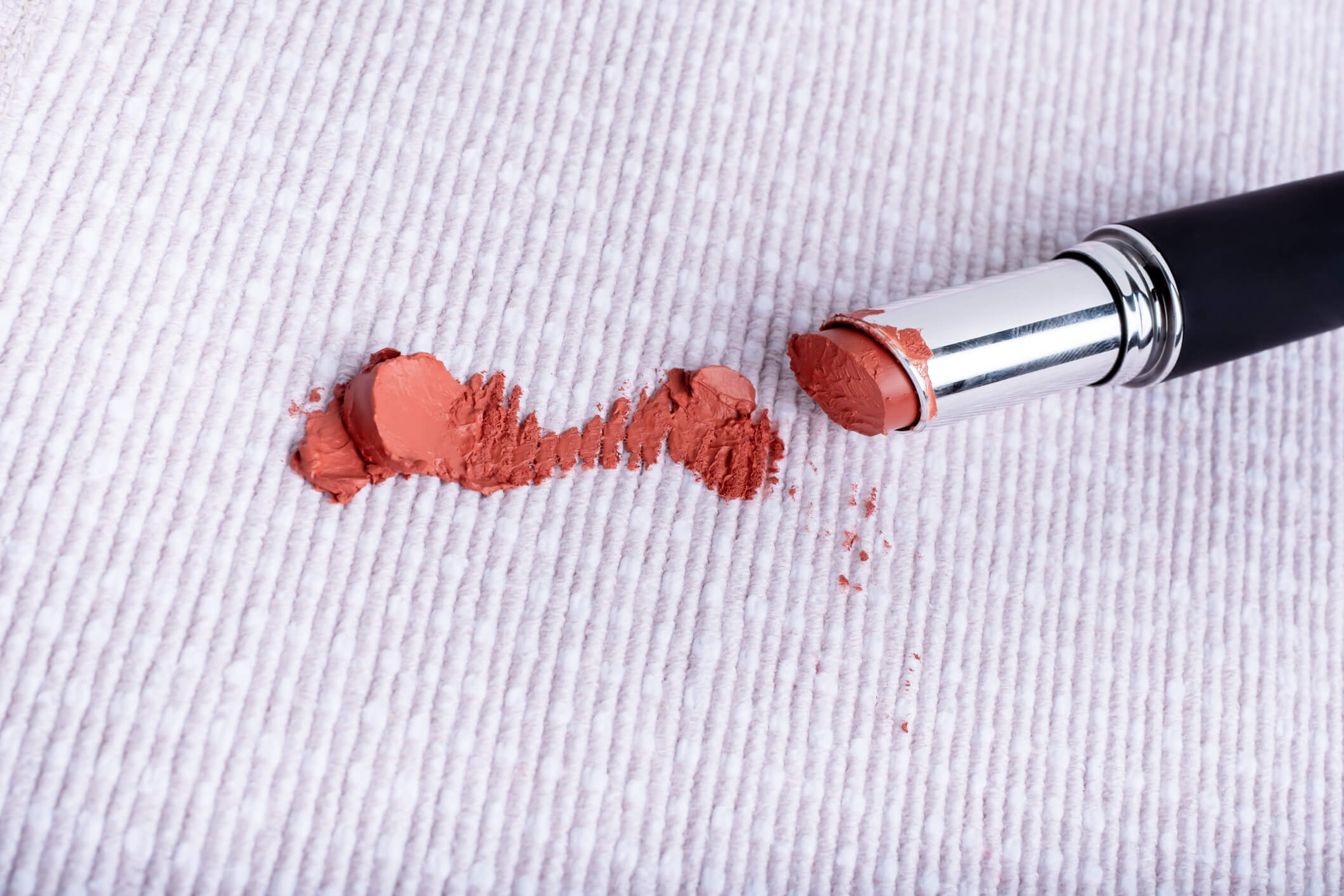
Makeup stains are among the most common and most frustrating fabric care challenges people face at home. Whether it is a smear of foundation on a fabric sofa, a streak of mascara on a bedroom chair, or a swipe of lipstick on upholstery, these stains require a careful, targeted approach. Use the wrong cleaning method, and you risk permanently setting the stain or damaging your fabric.
At Ultra Guard, we have spent years helping homeowners protect and care for their fabric furniture. In this guide, we walk you through the best ways to remove makeup stains from upholstery and fabric, step by step, covering every major makeup category from foundation and lipstick to mascara and eyeshadow. We also share how the right fabric protection treatment can stop these stains from setting in the first place.
Before you reach for a cloth or spray a stain remover, there are some important things to understand about makeup stains and upholstery care. Getting these basics right will improve your results and help you avoid making things worse.
Every piece of upholstered furniture has a care tag with cleaning codes. These codes tell you exactly what cleaning methods and solutions are safe for that fabric. The most common codes are: W (water-based cleaners only), S (solvent-based cleaners only), WS (either method is safe), and X (vacuum only, no liquids). Always check your fabric care instructions before applying any solution, detergent, or water to a stain. Ignoring these codes is one of the most common DIY upholstery cleaning mistakes people make.
Before treating any stain, test your chosen solution on a hidden area of the fabric, such as the underside of a cushion or the back of a chair. Apply a small amount, wait a few minutes, then blot with a clean white cloth. If you see color transfer or any change in the fabric, that solution is not safe for your upholstery. This colorfast test takes less than 5 minutes and can help protect your furniture from permanent damage.
This is the single most important rule in stain removal: never rub a stain. Rubbing spreads the stain wider and pushes it deeper into the fabric fibers. Instead, always blot gently from the outside edge of the stain inward. Use a clean white cloth, a sponge, or a paper towel, and replace it with a fresh section as soon as it absorbs the stain’s color.
Fresh makeup stains are always easier to remove than dried ones. The sooner you treat the spot, the better your results will be. If a stain has already dried and set, it may require more times of treatment, or a stronger approach, but it is still often treatable with the right steps.
For a broader overview of how to approach all types of fabric soiling, read our complete stain removal guide for upholstery and fabric furniture.
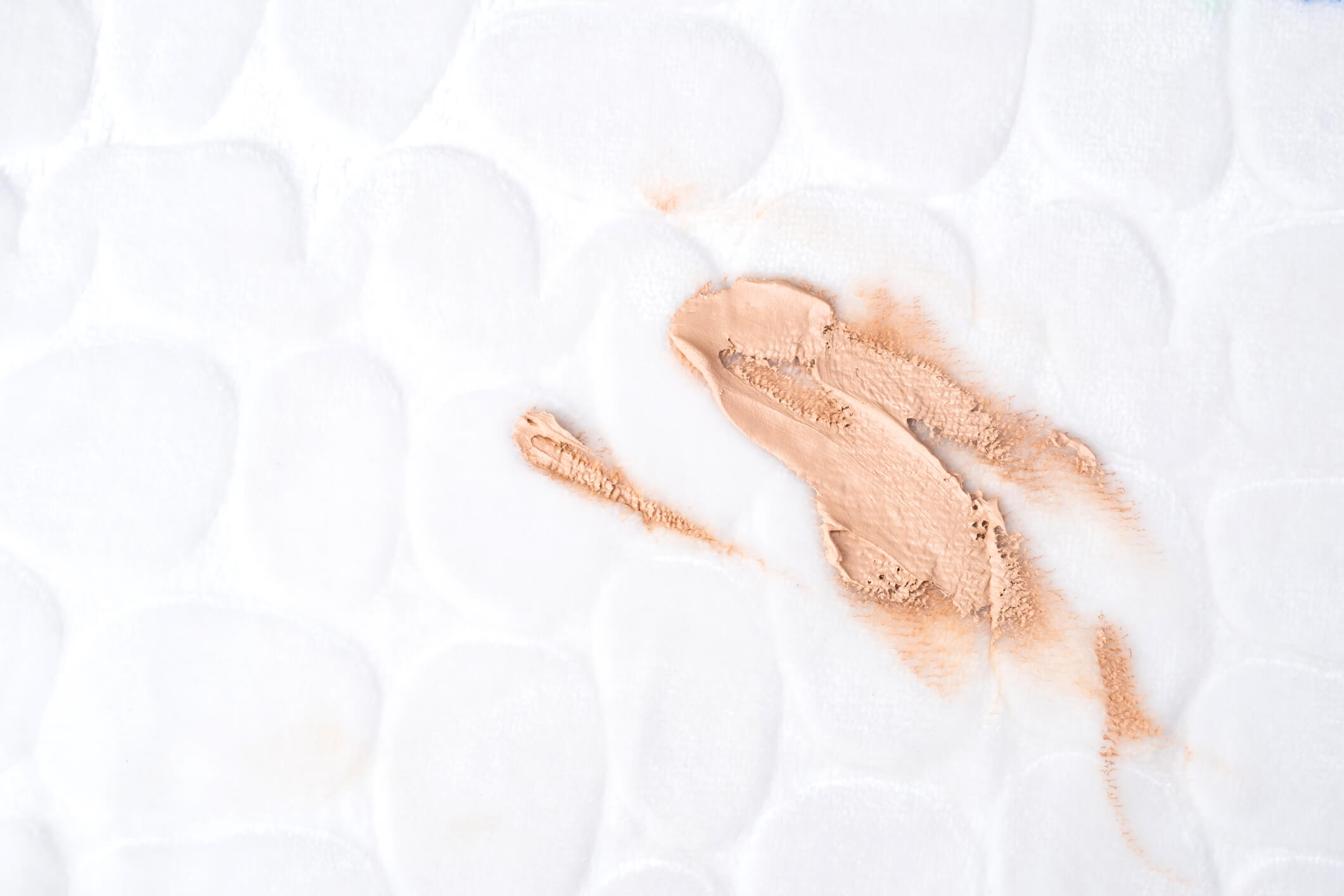
Foundation is one of the most common makeup stains on upholstery because people often sit on a sofa or chair while applying or touching up their makeup. Foundation contains oils, pigments, and sometimes wax, which means it can behave as both an oil-based and a pigment-based stain. The key is to address the oily component first, then the pigment.
For persistent foundation stains, a small amount of rubbing alcohol applied with a cotton swab can help break down the pigment. Always test this first in a hidden spot before applying it to the stained area. If the stain remains after multiple treatment attempts, it is best to consult a professional fabric protection and cleaning service.
Pro tip: Foundation stains on leather upholstery require a different approach. Use leather-specific cleaners and conditioners rather than water-based solutions, which can dry out and crack leather. Learn more in our guide on how to clean a leather couch.
Lipstick stains are particularly tricky because they are wax and oil-based, meaning water alone will not remove them. In fact, applying too much water can sometimes spread the stain and make it harder to treat. The goal with lipstick stain removal is to dissolve the waxy, oily components before attempting to lift the pigment.
Some people find that a small amount of white vinegar diluted in water also works well on lipstick stains on fabric. As always, test the vinegar solution in a hidden area first to ensure it is safe for your specific upholstery type. Vinegar can be effective, but it is too acidic for some delicate fabrics.
Mascara stains are usually water-resistant and polymer-based, meaning they resist standard water- and detergent-based cleaning. Most mascaras are also dark and highly pigmented, making them very visible on light-colored fabric and upholstery. The approach here is similar to lipstick: dissolve the binder first, then address the pigment.
For persistent mascara stains that have dried and set into the fabric, a small amount of rubbing alcohol can help break down the remaining pigment. Apply with a cotton swab, blot gently, then follow with the detergent-and-water wash. Avoid using heat at any stage, as it permanently bonds mascara pigment to fabric fibers.
Powder-based makeup stains, including eyeshadow, blush, and pressed powder, are actually among the easier makeup stains to remove from upholstery because they are not oil-based. The key is to avoid introducing moisture too quickly, which can cause the powder to set into the fibers.
Powder makeup stains on upholstery rarely require more than one or two treatment rounds if you act quickly. The most common mistake people make is pressing or rubbing the powder into the fabric before vacuuming it.
Concealer and BB cream stains behave similarly to foundation because they are usually oil and pigment-based. They can also leave a greasy residue on fabric that plain water will not fully remove. In some ways, treating concealer stains falls into the same category as grease stain removal, at least in terms of the approach.
Follow the same steps outlined above for foundation stains. If there is a noticeable oily residue after the initial treatment, sprinkle a small amount of baking soda or cornstarch onto the area, allow it to absorb the oils for 15 minutes, then brush it away gently before continuing with the detergent and water treatment.
For more details on treating greasy fabric stains, read our guides on how to remove grease stains from fabric and how to remove grease from upholstery.
Nail polish stains are a category of their own because they are lacquer-based and dry quickly into a hard, brittle film. This makes them one of the more challenging makeup-related stains to deal with. Speed is even more critical here: the faster you act, the less the lacquer will cure and bond to the fabric.
Important: Never use acetone nail polish remover on velvet, satin, or delicate luxury fabrics. These materials can be permanently damaged by solvent-based products. For delicate fabrics, contact a professional. For more on caring for these materials, see our guides on how to clean velvet furniture and how to get stains out of satin.
The steps above work well for standard woven upholstery, but some fabrics require a more tailored approach. Here is how to handle makeup stains on some of the most common specialty fabrics:
Microfiber is one of the most popular upholstery fabrics, and it generally responds well to rubbing alcohol as a spot treatment for makeup stains. Apply with a white cloth, blot gently, then allow to dry. The fibers will often fluff back up once dry. For full care instructions, read our guide on how to clean a microfiber couch.
For makeup stains on leather upholstery, avoid water-based cleaners where possible. Use a leather-specific cleaner and apply it with a soft cloth, blotting gently. Follow with a leather conditioner to prevent drying. Read our full guide: How to Clean a Leather Couch. Also see how to prevent leather furniture from cracking or fading for long-term care tips.
Velvet is particularly sensitive. Use a dry brush to lift powder makeup first, then treat liquid-based makeup stains with a minimal amount of solution applied via a white cloth. Blot very gently and allow to dry naturally. Never use heat on velvet. For a full guide, see how to clean velvet furniture.
Suede is highly water-sensitive. For powder makeup stains on suede, use a dry suede brush to lift the residue. For liquid or oil-based makeup, use only a suede-specific cleaner. Water can cause permanent watermarks on suede. Full guide: how to clean suede furniture without ruining it.
White and cream upholstery shows makeup stains more visibly than any other color. Act immediately, use a gentle detergent solution, and always test first. A very diluted hydrogen peroxide solution (3% concentration) can sometimes help with pigment stains on white fabrics, but test carefully first, as it can bleach some materials. For detailed guidance, see our post on how to clean a white couch: expert tips and tricks.
Car upholstery is another area where makeup stains are extremely common. People often do their makeup in the car or touch their face against headrests and seat backs. The same principles apply: check the fabric type, test your solution, blot rather than rub, and avoid heat.
For fabric car seats, the detergent and cold water method works well for most makeup stains. For leather car seats, use a leather-specific cleaner. For persistent stains on car upholstery, an upholstery cleaner spray available from auto supply stores can be effective. Always allow car upholstery to dry fully with the windows open before closing the vehicle, to prevent mold from moisture trapped in the fabric. This also applies to upholstery at home: always make sure the area is completely dry after cleaning.
Knowing what not to do is just as important as knowing the right steps. Some of the most common mistakes people make when treating makeup stains include:
For more on the mistakes to avoid, read our guide on the dos and don’ts of stain removal.
Sometimes, despite following all the right steps, a makeup stain remains visible in the fabric. This can happen when the stain has been there for a long time, when the wrong cleaning method was used previously, or when the fabric type makes full removal difficult. Here is what to do:
For general guidance on handling stains that have dried and set, read how to remove old stains from carpet: many of the same principles apply to upholstery, too.
The most effective solution to makeup stains on upholstery is professional fabric protection treatment. When your upholstery is treated with a quality fabric protector, liquids and pigments cannot immediately absorb into the fibers. Instead, they bead on the surface, giving you time to blot them away cleanly before they can become a stain.
This is not just theory: Ultra Guard fabric protection creates an invisible barrier across every fiber of your upholstery, repelling liquids and blocking pigments from bonding to the fabric. Our treatments cover every fabric type, including microfiber, velvet, suede, linen, boucle, and more.
Ask yourself: Is fabric protection worth it? For anyone who wears makeup or lives with people who do, the answer is almost always yes. Read our detailed breakdown: Is fabric protection worth it?
You can also use a fabric protector spray as an interim protective layer between professional treatments, especially on high-contact areas of your furniture.
For a full picture of your protection options, see: stain protection treatment options and the best option in stain protection.
When choosing cleaning products for makeup stain removal, always prioritize gentle, pH-neutral formulas over harsh chemical cleaners. Here are the products most commonly used with good results:
For external reference, the Good Housekeeping Institute and the American Cleaning Institute stain guide are both trusted external sources for fabric care and stain removal research.
While this guide focuses on upholstery and fabric furniture, many people also need to deal with makeup stains on clothes. The same general principles apply: check the fabric care label, test your solution, blot rather than rub, and use cold water. For clothes, pre-treating with a stain remover pen or gel before washing usually produces excellent results. The most important rule is the same: never apply heat, such as a hot dryer, until the stain is fully gone, as heat will permanently set the stain into the fabric.
For tips on treating grease and oil-based stains on clothes (which applies to many foundation and concealer stains), read our guides on how to remove oil stains from clothes and how to get grease out of clothes.
These are the questions people ask most often about removing makeup stains from fabric and upholstery. If you did not find your answer in the guide above, check here.
Yes, baking soda is useful for oil-based makeup stains such as foundation and concealer. Sprinkle it generously over the stained area, allowing it to absorb the oily residue for at least 15 minutes, then gently brush it away. Follow this with a gentle detergent and cold water solution to treat the remaining pigment. Baking soda works best as a first step to absorb oils, not as a standalone stain remover. It is gentle enough for most fabric types and will not damage colorfast upholstery.
Yes, foundation can be removed from upholstery in most cases, especially if you treat it quickly before it dries. Fresh foundation lifts out well with a gentle dish detergent and cold water solution applied with a clean cloth. Dried or set foundation may require multiple treatment rounds or a small amount of rubbing alcohol to break down the pigment. Always check your fabric care instructions and test your solution in a hidden area first. For older or more stubborn foundation stains, a professional fabric cleaning service will usually achieve the best results.
The most effective way to remove lipstick stains from fabric is to start with a solvent that dissolves the waxy, oil-based components, such as rubbing alcohol or a dry-cleaning solvent, and apply it with a clean white cloth. Dab gently and blot from the outside of the stain inward. Once the waxy residue is lifted, follow with a gentle dish detergent and cold water solution to remove the remaining pigment. Avoid using hot water, which can set lipstick stains permanently. Diluted white vinegar is a gentler alternative that works well on colorfast fabrics.
Yes, makeup stains can become permanent if they are treated incorrectly or left untreated for too long. The most common ways makeup stains become permanent are: applying heat before the stain is fully removed (this bonds pigment to the fibers), rubbing the stain deeper into the fabric rather than blotting it, or using the wrong cleaning solution for the fabric type. Some stains on very delicate or unprotected fabrics may be impossible to fully remove at home after they have set, making professional treatment the only option. This is why fabric protection treatment is so valuable: it prevents stains from bonding to the fibers in the first place.
Rubbing alcohol is safe to use on many upholstery fabrics, but not all. It is particularly effective on microfiber upholstery and works well on wax and pigment-based makeup stains such as lipstick and mascara. However, you should always test rubbing alcohol in a hidden area first, as it can cause color fading on some dyed fabrics and damage certain delicate materials. Never use rubbing alcohol on leather upholstery; use a leather-specific cleaner instead. Also, avoid using it on silk, velvet, or acetate without careful testing first.
Dried mascara is tougher to remove than fresh mascara, but it is still treatable. Start by gently scraping away any dried residue with a blunt-edged tool, such as a spoon, being careful not to damage the fabric fibers. Then apply micellar water or an oil-free eye makeup remover to a cotton pad and dab it onto the stain to dissolve the mascara polymer. Blot gently and replace the pad as it picks up color. Follow with a gentle detergent and cold water solution to clean the area, rinse by blotting with plain cold water, and blot dry with a clean towel. For very persistent dried mascara stains, a small amount of rubbing alcohol applied with a cotton swab can help break down any remaining pigment. Remember: never apply heat at any stage, as it will bond the mascara permanently to the fabric.
Yes, absolutely. Professional fabric protection is one of the most effective ways to prevent makeup stains from setting into upholstery. A quality treatment creates an invisible barrier around each fabric fiber that repels liquids and prevents pigments from immediately bonding to the material. This means that when a makeup stain does occur, it sits on the surface of the fabric rather than soaking in, giving you time to blot it away cleanly. At Ultra Guard, our stain-free fabric protection is applied professionally and is safe for all fabric types.
Yes. Makeup stains on car upholstery respond to the same treatment steps as home upholstery. Check whether your car seats are fabric or leather, and use the appropriate cleaning method for each. For fabric car seats, the gentle detergent and cold water approach works well for most makeup types. For leather car seats, use a leather-specific cleaner and conditioner. Allow the seats to dry thoroughly with the windows open after cleaning to prevent moisture from becoming trapped in the padding, which can lead to mold growth over time.
Makeup stains on upholstery and fabric are frustrating, but they are treatable when you know the right steps. The key is to act quickly, use the right solution for the makeup type, blot gently, test for colorfastness, and never apply heat. Whether you are dealing with foundation, lipstick, mascara, nail polish, or powder, there is a proven treatment approach that can deliver excellent results.
That said, the very best defense is a good offense: a professional fabric protection treatment applied to your upholstery before stains occur means that most makeup incidents can be wiped away in seconds rather than treated in multiple steps. At Ultra Guard, we offer professional-grade fabric protection that is invisible, non-permanent, and safe for all fabric types, making it ideal for homes, rental apartments, and cars alike.
Ready to stop worrying about stains? Contact Ultra Guard today to learn more about our professional fabric protection services.