- By Dick Fleming on Friday, May 1st, 2026 in Stain Removal. No Comments
Stains happen to everyone. One moment you’re enjoying a glass of wine or a plate of spaghetti, and the next you’re staring at a spreading spot on your favorite shirt. The good news? Most stains are not a life sentence for your clothes, carpet, or upholstery, not if you know what you’re doing. This complete guide walks you through the essential do’s and don’ts of stain removal, covering every fabric type, stain type, and treatment method you need to handle spills with confidence.
Not all stains are created equal, and neither are all fabrics. Treating a wine stain on silk the same way you’d treat a grease spot on denim is a recipe for damage. Understanding the right method for each situation is the difference between a fully restored garment and a permanent discoloration you’ll regret every time you open your wardrobe.
The number one rule? Act fast. The longer a stain sits, the deeper it penetrates into the fibers, making it far harder to clean later. Whether you’re dealing with coffee, blood, ketchup, or mud, speed is your best friend.
This is the golden rule of stain removal. Always blot the stained area; never rub. Rubbing spreads the stain further and pushes it deeper into the fabric. Use a clean cloth, paper towel, or absorbent sponge and press gently from the outside edge of the stain inward. This technique helps absorb the liquid without enlarging the problem.
Always work from the outer edge of the stain toward the center. This prevents the spot from spreading to clean areas of the garment or surface. It’s a small method adjustment, but it makes a big difference in results.
For most stains, especially protein-based ones like blood, milk, or egg, cold water is your first line of defense. Hot water can set these stains permanently by essentially cooking the proteins into the fibers. Rinse the area under cold water immediately, or apply cold water with a cloth before moving on to any treatment.
Always pre-treat a stain before putting a garment in the washer. Apply your chosen stain remover, laundry detergent, or dish soap directly to the stained area, and let it sit for at least 5 to 10 minutes. This gives the cleaning agents time to break down the stain before the full wash cycle begins.
Before attempting any stain removal, check the garment’s care label. Delicate fabrics like silk and wool require special handling. Some items are dry-clean only, and applying water or detergent could cause irreversible damage. The label gives you the rules. Follow them.
Whenever you’re using a new cleaning product or solution on a fabric, test it on a hidden area first: an inner seam, a hem, or the back of a collar. This is especially important when using bleach, hydrogen peroxide, alcohol, or nail polish remover, as all can affect the dye in certain fabrics.
This is one of the most important pieces of advice in this article. Heat from the dryer will permanently set a stain into the fabric. If you’re not 100% sure the stain is completely gone after washing, air-dry the garment and check it before putting it in the dryer. Once heat is applied, that stain is there to stay.
Blood, milk, ice cream, and egg: these are all protein-based stains. Hot water causes proteins to bind to the fibers, making them nearly impossible to remove. Always use cold water for these types of stains, and use products with enzymes specifically designed to break down proteins.
Vigorous scrubbing might feel effective, but it can damage the fabric and spread the stain. Whether you’re working on clothes, carpet, or upholstery, always use gentle, dabbing motions. A soft cloth or paper towel works better than abrasive scrubbing pads on most surfaces.
Chlorine bleach is a powerful cleaning agent, but it should never be mixed with other products, especially ammonia or vinegar. The chemical reactions produced can be harmful. Always use bleach on its own, and only on fabrics where the care instructions allow it. Oxygen bleach is a safer alternative for colored fabrics, gentler on fibers, and still effective on many types of stains.
Different stains require different solutions. A grease stain from salad dressing or oil needs a degreasing dish soap or dry-cleaning solvent. A tannin stain from coffee, wine, or fruit juice responds well to vinegar or a commercial stain remover. A dye stain from fruit or certain foods may need hydrogen peroxide or oxygen bleach. Treating every stain the same way is a common problem; always identify the stain type before choosing your method.
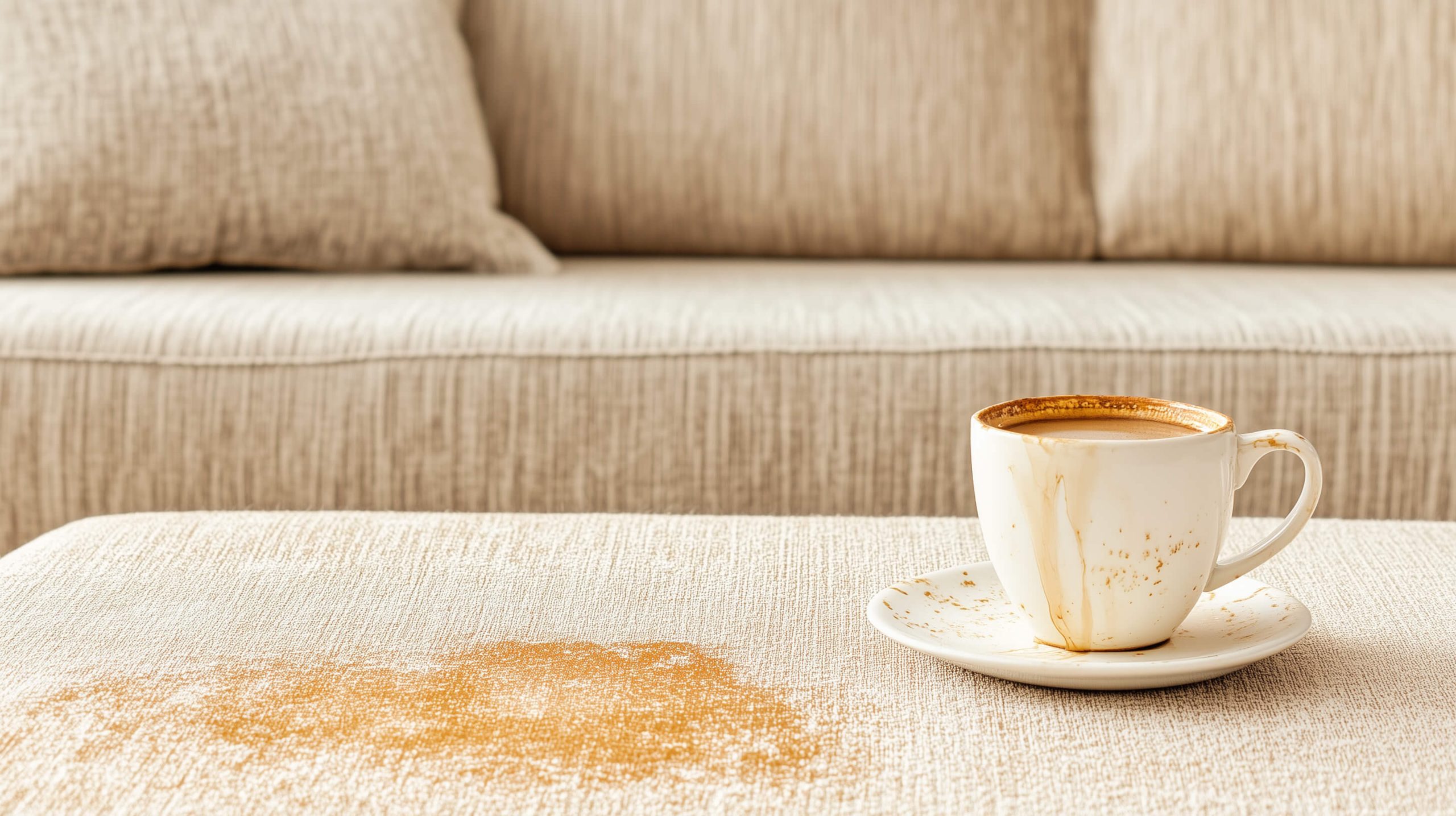
Do: Act immediately. Blot up as much liquid as possible with paper towels, then apply cold water. Sprinkle a bit of salt to absorb the remaining liquid before it sets. Follow with a solution of dish soap and hydrogen peroxide.
Don’t: Reach for the club soda myth; it doesn’t work as well as people think. And avoid hot water, which will set the tannins.
Do: Rinse with cold water immediately, then apply a small amount of laundry detergent or dish soap to the spot. Gently blot and rinse. For stubborn stains on white fabrics, oxygen bleach can restore the garment.
Don’t: Let it dry. Coffee stains become much harder to remove once fully set. Don’t use chlorine bleach on colored clothes, as it will strip the dye.
Do: Use dish soap designed to cut through grease. Apply it directly to the stain, work it in gently with your fingers, and let it sit for a while before rinsing. For dry stains, sprinkle baking soda first to absorb as much of the oil as possible before applying soap.
Don’t: Apply water first; it can spread the grease. Avoid putting a greasy garment in the washer without pre-treating, as the oil will simply redistribute.
Do: Use cold water immediately; run it directly through the back of the fabric. Hydrogen peroxide works extremely well on blood stains; apply a small amount and watch it fizz as it lifts the stain. Enzyme-based laundry detergents are also highly effective.
Don’t: Use hot water or put the item in the dryer before the stain is fully removed.
Do: Let the mud dry completely before treating it. Once dry, use a knife or spoon to scrape away as much solid material as possible. Then brush away the residue and apply laundry detergent or a stain remover before washing.
Don’t: Try to clean wet mud, as you’ll push it deeper into the fibers. Patience is essential here.
Do: Remove any solids with a spoon or knife first. Rinse the stain with cold water from behind it to push it out of the fabric. Apply dish soap or laundry detergent and blot with a clean cloth. White vinegar can help lift any remaining discoloration.
Don’t: Rub the stain in, and avoid hot water, which will cook the tomato pigment into the fabric.
Do: Use a dry-cleaning solvent or a small amount of rubbing alcohol applied with a cloth. Dab the area gently, then treat with dish soap, then rinse. Nail polish remover (acetone) can also be effective, but test on a hidden area first.
Don’t: Use water as your first step; lipstick is oil-based, and water alone won’t break it down.
Do: Act quickly. For ink, isopropyl alcohol is highly effective; apply it to the spot with a cloth and blot away the ink. For nail polish, use acetone or nail polish remover on a paper towel and blot gently.
Don’t: Use nail polish remover on acetate or triacetate fabrics, as it will dissolve them. Always test first.
Do: Apply a paste of lemon juice and salt directly to the rust stains, then leave it in the sun to bleach naturally. Commercial rust removers are also available and highly effective. Rinse thoroughly after treatment.
Don’t: Use chlorine bleach on rust stains, as it will actually make them worse by permanently setting the iron pigment.
Silk and wool are among the most delicate fabrics and require the most care. Avoid any harsh chemicals, bleach, or aggressive scrubbing. For wool, use only cold water and a gentle soap, as hot water can cause it to shrink and felt. For silk, blot with a clean cloth and cold water, and consider taking heavily stained silk items to a professional dry cleaner.
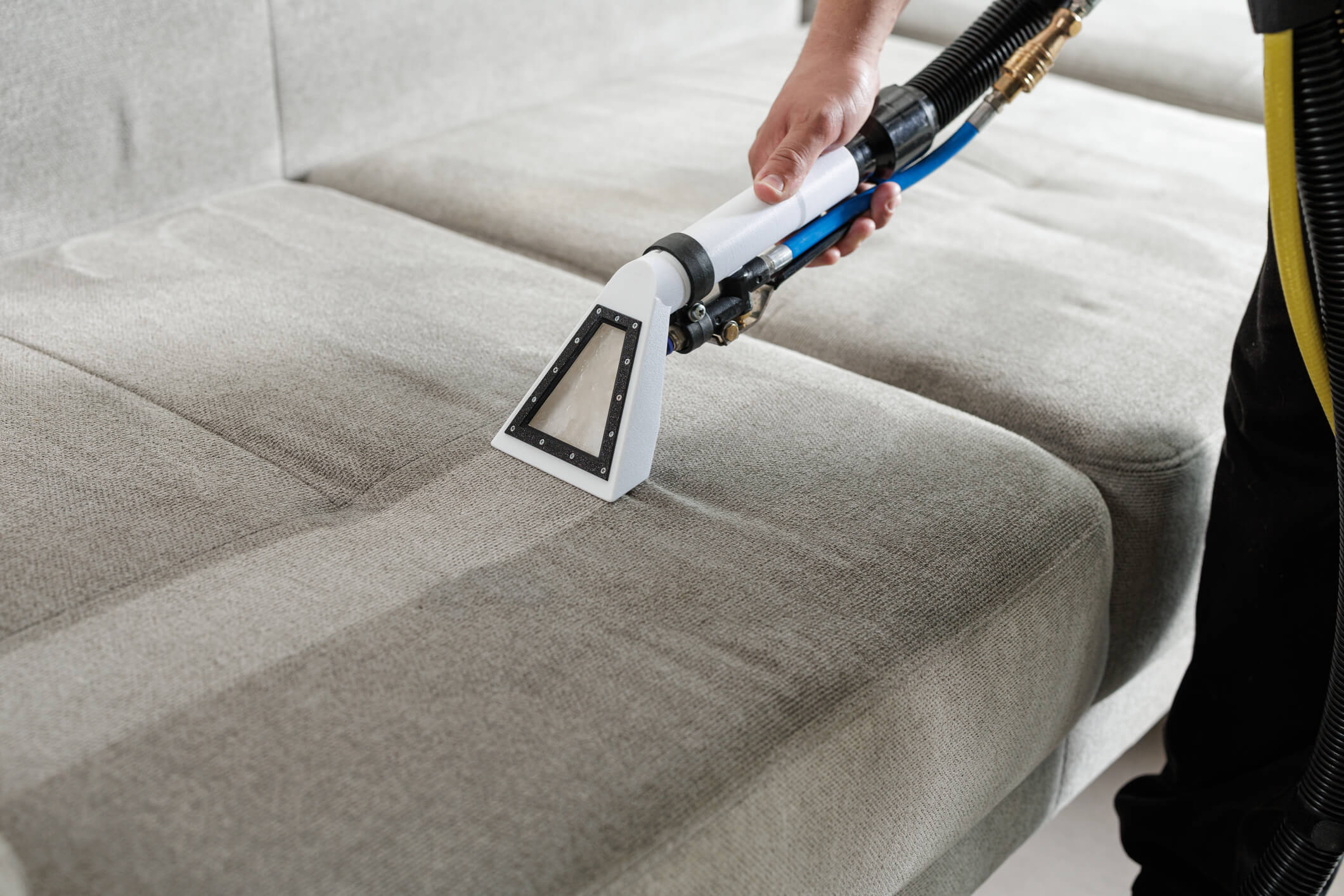
Treating stains on upholstery follows similar steps, but with one key difference: you can’t rinse it like a garment. Work with as little water as possible to avoid soaking the padding beneath. Use a sponge or cloth dampened with your cleaning solution and blot the area. Dry the surface thoroughly after treatment to prevent mold or mildew.
For carpet stains, always work from the outside in and use the blotting method. Pour cold water over the stain, then blot with absorbent paper towels or a clean cloth until the color stops transferring. A mixture of dish soap and cold water works well on most food and liquids. For tough stains, apply baking soda after the initial cleaning to neutralize odors and absorb remaining moisture.
You don’t always need store-bought products. Many effective stain removal solutions can be made with everyday ingredients:
Baking soda paste: Mix baking soda with a small amount of water to create a paste. Apply to grease or food stains and let sit before washing.
Vinegar solution: Mix one part white vinegar with one part cold water. Works well on coffee, wine, and fruit juice stains, particularly on carpet and upholstery.
Dish soap and hydrogen peroxide: Combine one part dish soap with two parts hydrogen peroxide for a powerful solution effective on blood, wine, and ketchup.
These DIY solutions can be just as effective as commercial products for many types of stains, and they’re made with ingredients you likely already have at home.
Stain removal doesn’t have to be complicated, but it does require the right approach. By following the proper steps, using the correct products, and avoiding common mistakes, you can handle most stains effectively.
However, for long-term protection and easier cleanup, investing in fabric and carpet protection can make all the difference.
Even the best stain removal techniques have their limits. If you want to make cleaning easier and protect your furniture, upholstery, and carpet from future spills, professional protection solutions can help.
At Ultra-Guard Fabric Protection, we specialize in protecting fabrics and surfaces so you can worry less about stains and enjoy cleaner, longer-lasting results.
For more information on how we can help protect your home, contact Ultra-Guard today. You can also explore our blog section for helpful tips and guides on fabric care, upholstery protection, and stain prevention.
How do I remove old stains?
Old stains may require multiple treatments or professional cleaning methods.
Can professional protection help with tough stain spots?
Yes, professional fabric and carpet protection can help prevent stains from setting into fibers, making it easier to clean spots before they become permanent.
Can I use bleach on all stains?
No, bleach can damage certain fabrics and should only be used when appropriate.
What are the top mistakes people make when removing stains?
Some of the top mistakes include scrubbing too hard, using the wrong cleaning solution, and not treating the stain right away. These actions can spread stains or cause damage to fabrics and surfaces.
What are the best ways to remove stains from different surfaces?
The best ways depend on the type of stain and surface. Blotting, using the right cleaning solution, and following proper techniques can help remove stains without causing damage.
Can vinegar damage fabrics?
When used correctly and diluted with water, vinegar is safe for many fabrics.
Can paint stains be removed from fabric or carpet?
Yes, paint stains can often be removed if treated quickly. Water-based paint is easier to clean, while oil-based paint may require stronger solutions, such as solvents or specialized stain removers.
How do I prevent stains from turning into permanent spots?
To prevent stains from becoming permanent spots, blot the area immediately, avoid heat, and use the right cleaning method for the type of stain.
Should I use hot or cold water?
Cold water is best for protein-based stains like blood, while warm water may work for other types of stains.
What should I avoid when cleaning stains?
Some things to avoid include using too much detergent, mixing cleaning products, and applying heat before the stain is fully removed. These can make stains worse or damage the material.