By Dick Fleming
on Wednesday, June 3rd, 2026
in Fabric Care & Stain Guide.
No Comments
Most stain-removal guides treat your sofa like a t-shirt you can toss in the washing machine. They list the usual offenders, tell you to blot (never rub!), and send you off with a bottle of white vinegar. That advice isn’t wrong; it’s just dangerously incomplete when the stain is on a piece of furniture that […]
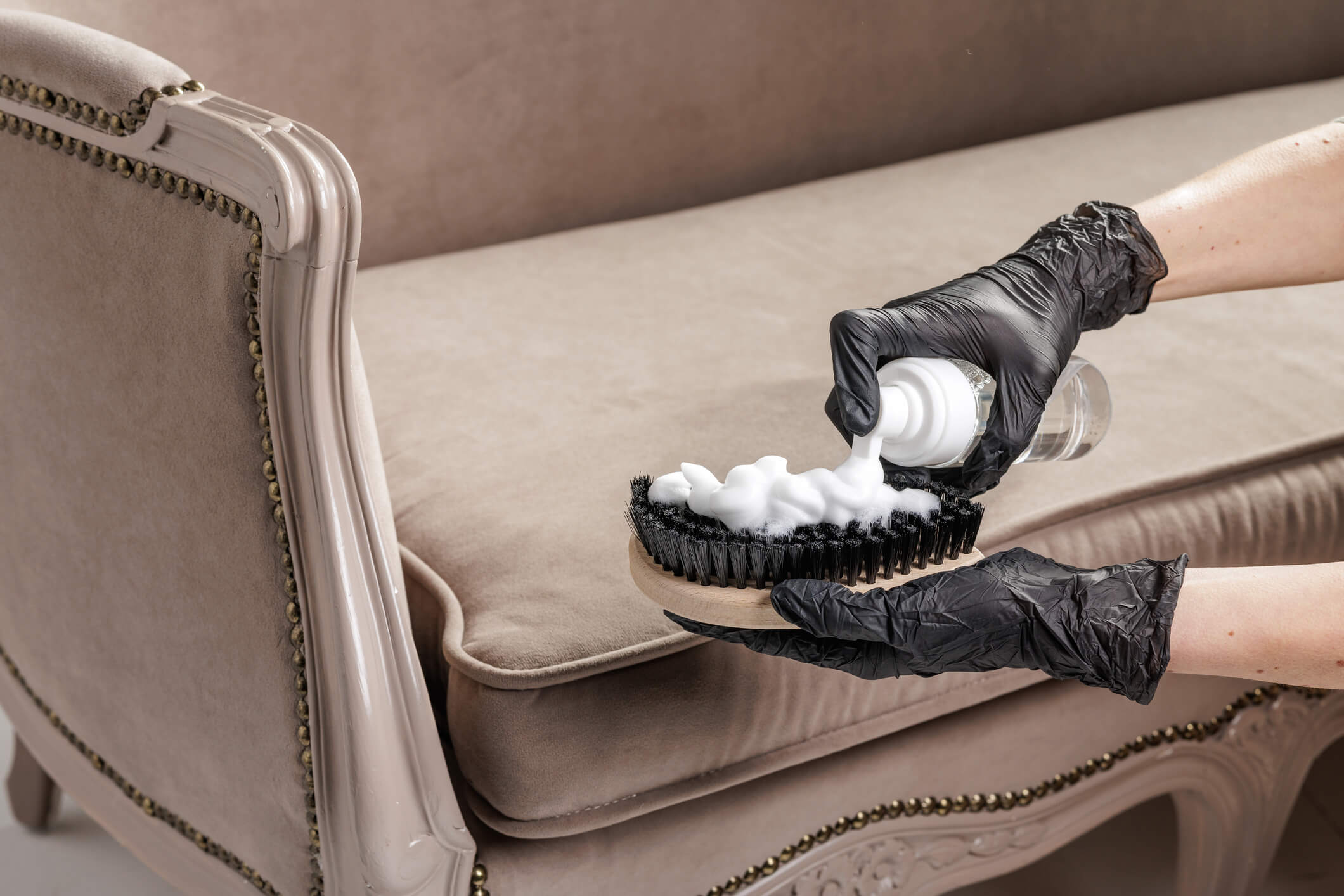
Pet accidents happen but Ultra Guard Fabric Protection prevents deep urine stains and odors from ruining your San Juan Capistrano furniture
Most stain-removal guides treat your sofa like a t-shirt you can toss in the washing machine. They list the usual offenders, tell you to blot (never rub!), and send you off with a bottle of white vinegar. That advice isn’t wrong; it’s just dangerously incomplete when the stain is on a piece of furniture that costs several hundred to several thousand dollars and cannot be laundered, bleached, or returned.
We have been protecting upholstered furniture and fine fabrics since 1987. In that time, the stains that defeat most homeowners, and occasionally professionals, follow predictable patterns: it is rarely the stain alone that causes permanent damage. It is the combination of stain chemistry, fabric fiber type, and the first 10 minutes of the owner’s response. This guide breaks down exactly which stains are hardest to remove from furniture specifically, why they behave the way they do on upholstery, and what separates a recoverable mess from a permanent one.
Why Furniture Stains Are a Different Problem Than Clothing Stains
Before diving into the list, it is worth understanding why the rules change on upholstery. With clothing, you have two advantages you almost never have with furniture: you can fully submerge the item in water and apply heat in the dryer to reset the fiber. Furniture denies you both. Saturating upholstery with water risks mold growth inside the cushion, wicking (where a stain that seemed removed reappears as the moisture dries from the inside out), and shrinkage or ring marks on natural fibers. Heat is equally risky; even a hairdryer aimed at a damp spot on linen or velvet can set the stain permanently by denaturing the proteins or baking in the residue.
This changes the calculus on every stain below. The goal on furniture is always controlled extraction, never full saturation.
The 8 Hardest Stains to Remove from Furniture (Ranked by Difficulty)
Difficulty here means the realistic chance of full removal from mid-grade to high-end upholstery without professional intervention. We are talking about sofas, armchairs, dining chairs, and headboards, not clothes or carpet.
1. Red Wine on Light or Natural Fabrics
Why it is so difficult: Red wine contains tannins and anthocyanins, the same pigment compounds that give red grapes their color. On porous natural fibers like linen, cotton, or undyed wool, those compounds begin bonding to the fiber within minutes of contact. The moment the wine starts to dry, oxidation deepens the color and makes it structurally harder to lift.
The folk remedy of pouring white wine or club soda on top delays the set but does not remove the stain; it dilutes it while spreading it outward. Salt on a fresh spill is more useful because it draws liquid up rather than pushing it deeper. The correct sequence is: absorb excess immediately with a dry cloth (press, do not rub), apply a small amount of cold water to the outer edge working inward, blot repeatedly, and follow with a diluted enzyme cleaner applied minimally.
What makes it worse: Heat from sunlight through a window, or well-meaning use of a hairdryer, oxidizes the pigment and sets it in place. A linen sofa in a sunny room is particularly vulnerable in the hours after a spill.
2. Blood
Why it is so difficult: Blood is a protein-based stain. The hemoglobin in blood begins to coagulate and bond with fabric fibers quickly, especially in warm conditions. Hot water is the single most common and most damaging mistake people make with blood stains on upholstery: it denatures the protein and essentially glues it to the fiber.
Cold water only, always. On dried blood, an enzyme-based cleaner applied to the spot and allowed to sit for 10-15 minutes will break down the protein chains before you attempt to blot it away. Hydrogen peroxide (3%) can lift residual color but must be tested on a hidden area first, as it has a mild bleaching effect that is visible on darker fabrics.
What makes it worse: Dried blood that has been scrubbed rather than blotted is often set permanently. The scrubbing drives the broken protein deeper into the weave and creates micro-abrasion that the fiber never fully recovers from.
3. Grease and Cooking Oil
Why it is so difficult: Oil stains are hydrophobic, meaning water-based cleaners have almost no effect on them. They spread laterally through capillary action the moment they contact fabric, and they do not always look dramatic when fresh; a grease spot on a microfiber sofa can look like a faint shadow until the light hits it at the right angle.
The correct first step is dry absorption: baking soda, cornstarch, or an unscented talcum powder applied generously to the fresh stain and left for at least 20 minutes to draw out the oil before any attempt to wipe. Then a small amount of clear dish soap (specifically a degreasing formula) applied with a damp cloth works on the residue. Rinsing requires extreme care because any excess water left in the cushion becomes a wicking problem later.
What makes it worse: Old grease stains are among the hardest of all furniture stains to fully remove. The fatty acids oxidize over time and bond more tightly with synthetic fibers in particular. A grease stain that went unnoticed for two weeks on a polyester blend is realistically a professional job.
4. Permanent Marker and Ink
Why it is so difficult: Modern permanent markers use pigment suspended in an alcohol or solvent base that is designed to resist smearing and washing. Once that solvent carrier evaporates, the pigment is essentially sitting dry in the fiber and standard water-based cleaning pushes it rather than lifting it.
Isopropyl alcohol (70% or higher) or rubbing alcohol applied with a cotton ball, blotting outward from the center, will dissolve the carrier and allow the pigment to transfer. The key is using the minimum amount of alcohol possible; too much wets the backing and spreads the stain. Ballpoint ink often responds better to hairspray (which contains alcohol) than to dedicated stain removers. Gel pen ink, however, behaves more like a dye and may require multiple applications of an enzyme cleaner over several days.
What makes it worse: Any attempt to scrub ink on velvet or chenille will abrade the pile and create a bald, shiny patch that is often more visible than the original stain.
5. Pet Urine (Especially After It Has Dried)
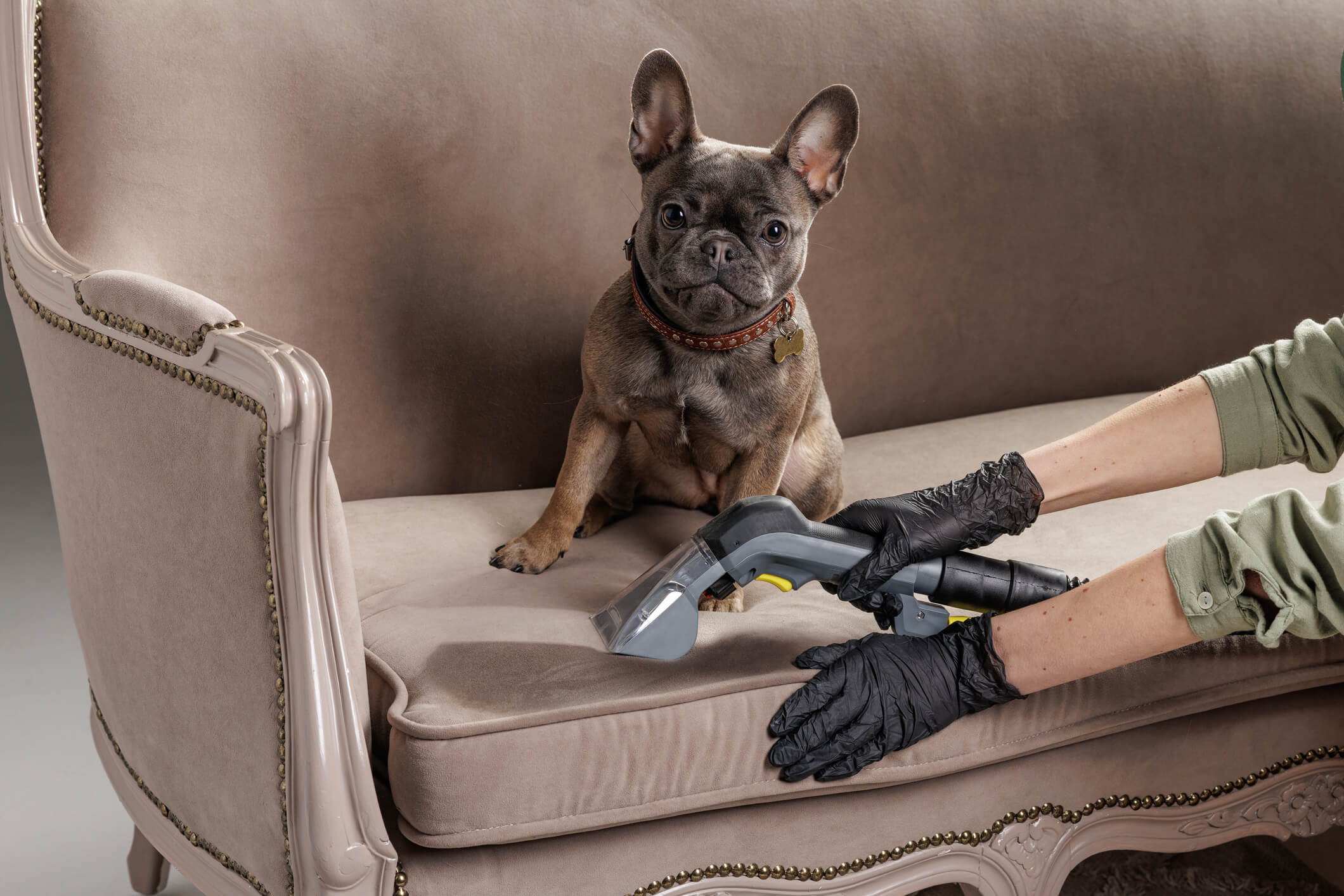
Keep your home fresh and beautiful with the ultimate defense against pet stains from Ultra Guard Fabric Protection in San Juan Capistrano California
Why it is so difficult: Fresh pet urine is actually among the easier stains to address if caught immediately: blot, dilute, blot again, treat with an enzyme cleaner, and the uric acid compounds that cause the odor and the yellow color are largely neutralized. The problem is that pet urine is frequently not discovered until it has dried, concentrated, and in some cases, soaked through the seat cushion into the foam.
Dried urine undergoes a chemical conversion: uric acid crystals form and bind to fiber in a way that is largely impervious to water-based cleaners. The only effective treatment is an enzyme-based cleaner specifically formulated for uric acid; it must contact the full extent of the stain, including the cushion foam if it has soaked through. This often means removing the cushion cover and treating both sides. Masking the odor with sprays is not treatment; the crystals remain and reactivate when humid.
What makes it worse: Ammonia-based cleaners should never be used on urine stains. Urine contains ammonia, and adding more actually reinforces the scent signal that attracts pets back to the same spot.
6. Red or Dark Fruit Juice (Especially Grape and Pomegranate)
Why it is so difficult: Fruit-based dye stains share chemistry with red wine but are often more concentrated. A sippy cup of grape juice emptied onto a linen chair is a more acute staining event than a half-glass of wine, because the juice-to-fiber ratio is often higher and the sugar content makes the residue adhesive. The sugar also feeds mold if the fabric stays damp.
Speed is the decisive variable here. Blotted within 60 seconds, most fruit juice stains on treated fabric can be fully removed. Left for 10 minutes on untreated linen or cotton, the tannins begin bonding and full removal becomes unlikely without professional tools. A cold-water rinse with a small amount of white vinegar applied to the blotted area is the correct first response; avoid club soda on colored upholstery as the carbonation can spread the pigment.
7. Candle Wax
Why it is so difficult: Wax is not a dye-based stain; it is a physical substance that has cooled into the fiber. The instinct to wipe it while soft is exactly wrong: wiping pushes liquid wax deeper into the weave and spreads it laterally. The correct approach is the opposite: allow the wax to harden completely, then use a dull knife or the edge of a credit card to chip and flake as much off as possible without disturbing the fiber. A sheet of brown paper (never glossy paper) placed over the residue and pressed with a warm iron will wick the remaining wax up into the paper. The residual color from dyed candles then requires a small amount of rubbing alcohol to lift.
What makes it worse: Dark-colored candles, particularly red or black, leave behind a pigment residue even after the wax is fully removed. On pale upholstery, this ghost stain often requires professional treatment.
8. Nail Polish
Why it is so difficult: Nail polish is essentially a film-forming lacquer: a polymer resin suspended in a fast-evaporating solvent. Once that solvent evaporates and the polymer sets, you are dealing with a flexible plastic film bonded to the fiber. Acetone-based nail polish remover will dissolve the film, but acetone is also an aggressive solvent that strips color from most dyed fabrics and can damage synthetic fibers. Non-acetone removers are safer on fabric but significantly less effective at dissolving the resin.
The realistic approach: test acetone on an inconspicuous area first; apply the minimum amount possible with a cotton swab working from the outside edge inward; blot, do not rub; and accept that on colored upholstery, the acetone may leave a lighter patch that is less visible than the polish but still present. Full removal of dried nail polish from most upholstery without some collateral effect is genuinely rare.
The Variable That Changes Everything: Your Fabric Type
Every stain above becomes significantly easier or harder depending on what it lands on. This is the point most stain-removal guides underplay, and it is arguably the most important variable a furniture owner can understand.
- Microfiber (polyester-based): The tightest weave of any common upholstery fabric; stains sit on the surface longer before penetrating, giving you more response time. The fiber is hydrophobic, which helps repel water-based spills but also means oil stains spread quickly.
- Linen and cotton: Highly absorbent natural fibers with an open weave that draws staining liquids deep quickly. Beautiful and breathable but genuinely unforgiving if a spill is not addressed within minutes.
- Velvet and chenille: Pile fabrics where any abrasion during cleaning damages the surface permanently. Stains on velvet require extreme gentleness; scrubbing is never an option.
- Wool: Naturally somewhat stain-resistant due to the lanolin in the fiber, but very sensitive to hot water (which causes felting and shrinkage) and to alkaline cleaners (which degrade the fiber protein).
- Leather: A category unto itself; porous enough to absorb oils and dyes but resistant to water-based stains. Requires leather-specific conditioners and cleaners rather than upholstery products. See our guide to cleaning a leather couch for leather-specific advice.
The Two-Minute Rule That Outperforms Every Cleaning Product
Here is the single most useful thing we can tell you after decades in this industry: the two-minute response window matters more than your choice of cleaning product. The majority of the stains on this list can be significantly reduced or fully removed from most upholstery fabrics if you act within the first two minutes. The same stains become genuinely difficult at the ten-minute mark, and often permanent after an hour.
What happens in those two minutes? The liquid is still mobile, sitting in and on the fiber rather than bonded to it. Dyes have not yet completed their chemical attachment to the fiber. Proteins have not yet denatured. Oils have not yet spread to the full extent of their capillary reach. Your window to extract rather than clean is open.
The protocol for those two minutes is the same regardless of the stain type: remove as much of the substance as physically possible (scoop, don’t spread; press, don’t rub); then blot with a clean, dry white cloth from the outer edge inward. That’s it for step one. Save the cleaning products for step two, once you have extracted the bulk.
Where DIY Cleaning Causes More Damage Than the Original Stain
We have seen this pattern consistently over the years: a homeowner with a fresh stain reaches for the most aggressive cleaner available (often a multi-surface spray or undiluted dish soap), scrubs the spot vigorously, saturates it with water trying to rinse, and finishes by aiming a hairdryer at it. The stain may appear reduced. But the fabric now has a halo ring from the saturated cleaning solution, an abraded surface from the scrubbing, and in some cases, a color change from the cleaning chemical. The resulting damage is often more visible than the original stain would have been.
The principle to internalize is this: on furniture, overcleaning is a real and common form of damage. Minimum intervention, correctly applied, outperforms aggressive cleaning every time. If a stain does not respond to careful, conservative treatment, the correct answer is usually to stop and call a professional rather than escalate the treatment.
For stain removal guidance that goes beyond spot treatment, our post on the do’s and don’ts of stain removal covers the most common mistakes in detail.
The Case for Treating Furniture Before the Stain Happens
Everything above describes how to respond to a stain that has already occurred. But there is a different approach worth considering, particularly for new furniture or recently cleaned pieces: protective treatment applied before any stain occurs.
The way a quality fabric protector works is not by creating a waterproof shell over your upholstery; it works at the fiber level, coating each individual fiber so that liquids bead on the surface rather than immediately wicking in. This does two things. First, it dramatically extends that two-minute response window we described above, because the liquid stays mobile longer. Second, it reduces the staining force of the spill even if it is not addressed immediately, because the fiber has far less surface contact with the staining substance.
Ultra-Guard’s nanotech formula bonds chemically with the fiber rather than sitting as a topical coating. This matters because topical coatings, including many store-bought fabric sprays, begin to wear away at the first cleaning and can leave uneven coverage that results in patchy staining behavior. A bonded treatment, by contrast, remains effective for the life of the fabric under normal use. It is the only in-home application of a nanotech fabric protection formula available nationwide, applied by certified technicians rather than as a DIY spray.
This is also why the question “what is the hardest stain to remove from furniture?” has a different answer for protected versus unprotected fabric. On Ultra-Guard-treated upholstery, most of the stains on this list, including red wine and pet urine, can be removed with a damp cloth and prompt attention. The chemistry of the stain has not changed; the stain’s relationship with the fiber has.
If you have recently purchased new furniture or just had existing pieces professionally cleaned, this is the ideal time to have a protective treatment applied. You can learn more about the full range of surfaces we treat on our What We Protect page, or explore sofa-specific coverage on our sofa protection page.
Frequently Asked Questions
What is the hardest stain to get out of a couch?
In our experience, old grease stains and dried pet urine are consistently the most difficult to fully remove from couch upholstery. Both penetrate deeply, undergo chemical changes as they dry, and resist water-based cleaners. Dried blood and set-in red wine on natural fiber upholstery are close behind. The common factor in all of them is time: the longer a stain sits, the harder it becomes to remove.
What are the worst stains to remove?
For furniture specifically: oil and grease, dried pet urine, red wine on natural fibers, blood treated with hot water, permanent marker, and nail polish. The difficulty is compounded by fabric type; the same stain on linen is significantly harder to address than the same stain on microfiber.
Are there stains that can’t be removed?
Yes. Stains that have been set by heat (including sunlight), stains on natural fibers that have dried and oxidized for extended periods, and ink or dye stains on fabrics with structural color sensitivity can become permanently or near-permanently fixed. This is why the stain-removal industry uses the phrase “permanent stain” as a relative rather than absolute term; what is permanent without professional intervention is sometimes treatable with professional equipment and chemistry.
Which stain is the hardest to remove?
If forced to name one, most fabric professionals point to set-in grease on upholstery, because it combines deep fiber penetration, resistance to water-based cleaning, and oxidative bonding over time. Nail polish on colored fabric is a close second because the solvent needed to dissolve it can damage the fabric itself. Both are categories where professional help has a meaningfully higher success rate than DIY treatment.
Does fabric protector actually help with stains?
Yes, meaningfully so. A quality fabric protector does not make upholstery immune to staining, but it changes the physics of a spill: liquid beads and sits on the surface rather than wicking immediately into the fiber. This extends your response window and reduces the severity of staining if the spill is not addressed right away. The quality of protection varies significantly between consumer sprays and professional-grade treatments; the latter bond at the fiber level and provide more durable, consistent coverage.
Ultra-Guard has been the interior designer’s choice in fabric protection since 1987, offering in-home nanotech application on upholstery, carpet, rugs, and specialty fabrics nationwide. Call (866) 667-6685 for a free quote.
-->
By Dick Fleming
on Monday, June 1st, 2026
in Cleaning Tips & Techniques.
No Comments
Dining chairs take more abuse than almost any other piece of furniture in a home. Every meal is a potential stain event: sauces, oils, wine, juice, butter, salad dressing, and everything in between end up on seats and chair backs daily. Unlike sofas, which are often treated as showpieces, dining chairs are used hard and […]