- By Dick Fleming on Sunday, August 2nd, 2026 in Cleaning Tips & Techniques, News. No Comments

Movie night, a melting candy bar, a kid’s ice cream cone, and suddenly there’s chocolate ground into your favorite chair. Before you reach for the nearest damp cloth and start scrubbing, it helps to understand why chocolate is such a difficult stain in the first place, because the wrong first move is what turns a five-minute fix into a permanent mark.
Scrape away any solid chocolate first, never rub it into the fabric. Use cool or lukewarm water only, since hot water sets the stain rather than lifting it. Blot instead of scrubbing, working from the outside of the stain inward. Check the fabric’s care label before applying anything, and if the label says dry clean only, or the material is silk, wool, or another delicate fiber, stop and call a professional rather than risk the fabric yourself.
Chocolate isn’t a single ingredient, it’s three stains layered into one. The cocoa butter contributes fat, the milk solids contribute protein, and the sugar adds its own sticky residue. Fat doesn’t dissolve in plain water, which is exactly why a quick swipe with a damp cloth so often smears a chocolate stain instead of lifting it. The protein component behaves differently again: it’s the part that hot water actually locks into the fibers, which is why so many stain guides insist on cool water and nobody explains why. Understanding that a chocolate stain is really three separate problems is what makes the removal steps below make sense instead of feeling like arbitrary rules.
Older stains need patience more than extra force. Apply the same soap-and-water solution, but let it sit on the stain for three to five minutes before blotting, giving the fat and sugar time to soften. It’s common for a set-in chocolate stain to need two or three repeated applications rather than one aggressive pass; resist the urge to press harder each round, since that’s what pushes residue deeper into the padding underneath. If a stain has been sitting for more than a day or two and hasn’t responded to a couple of gentle attempts, that’s a reasonable point to stop treating it yourself and bring in a professional, rather than risk over-wetting the cushion fill.
Not every upholstery fabric reacts to chocolate, or to cleaning solutions, the same way.
Here’s the part most stain-removal guides skip entirely, because it’s outside their business, but it’s ours: whether your upholstery has ever had a fabric protection treatment applied changes how much time you actually have to deal with a chocolate spill. Untreated fabric fibers are absorbent by nature, which means the fat and sugar in chocolate begin working their way into the weave almost immediately on contact. A properly applied fabric protector creates a barrier at the fiber level, so a fresh spill tends to sit on the surface rather than soaking straight through, which gives you more of that early window to scrape and blot before anything sets. It doesn’t make a fabric stain-proof; no product does, and any spill left long enough will still leave a mark. What it does is buy you the time that actually matters, and it’s the main reason we tell customers that the sooner a stain is treated after it happens, whether the fabric is protected or not, the better the outcome.
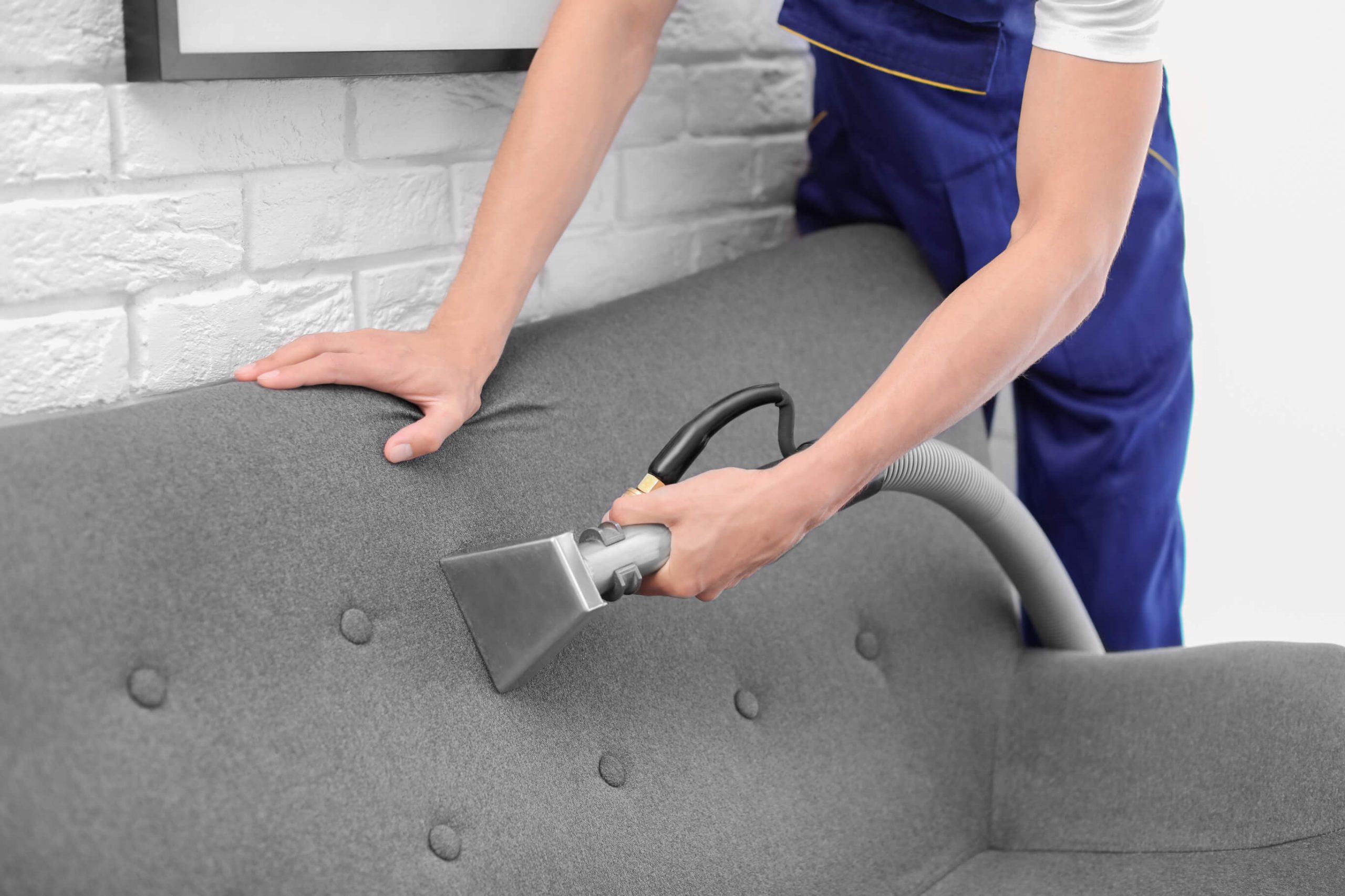
A few habits go a long way toward avoiding a repeat of this whole process:
If you’re weighing whether to have your upholstery professionally protected, our overview of how preventative care extends the life of furniture is a good next read, and our piece on the five most common upholstery stains covers what else tends to show up on the same cushions chocolate does.
Some situations are worth handing off rather than testing your luck on: delicate or unlabeled fabrics, stains that have been sitting for several days, large spills that soaked through to the cushion padding, or upholstery you simply don’t want to risk experimenting on. Ultra-Guard Fabric Protection has been protecting and cleaning upholstery, carpets, and fine fabrics since 1987. Our trained technicians can assess a stubborn stain, clean it properly, and talk you through professional fabric protection application so the next spill has a much easier time coming back out.
In most cases, yes, especially when it’s treated soon after it happens. Fresh stains respond well to scraping and a mild soap-and-water solution. Set-in stains take more repetition and patience but can usually still be lifted; the exceptions are typically delicate fabrics like silk or wool, which need professional handling rather than a full at-home removal attempt.
No. Hot water sets the protein component in chocolate more firmly into the fabric, making the stain harder to remove rather than easier. Always use cool or lukewarm water.
A small amount of white vinegar diluted in water can help cut through the sugary residue on some fabrics with a W or WS care code, but it should always be tested on a hidden area first, since vinegar can affect dye in certain materials. A mild dish soap solution is generally the safer starting point.
Apply a soap-and-water solution and let it dwell on the stain for a few minutes before blotting, repeating as needed. Older stains typically require several gentle rounds rather than one forceful attempt. If repeated treatment isn’t lifting it, a professional upholstery cleaning is the safer next step.