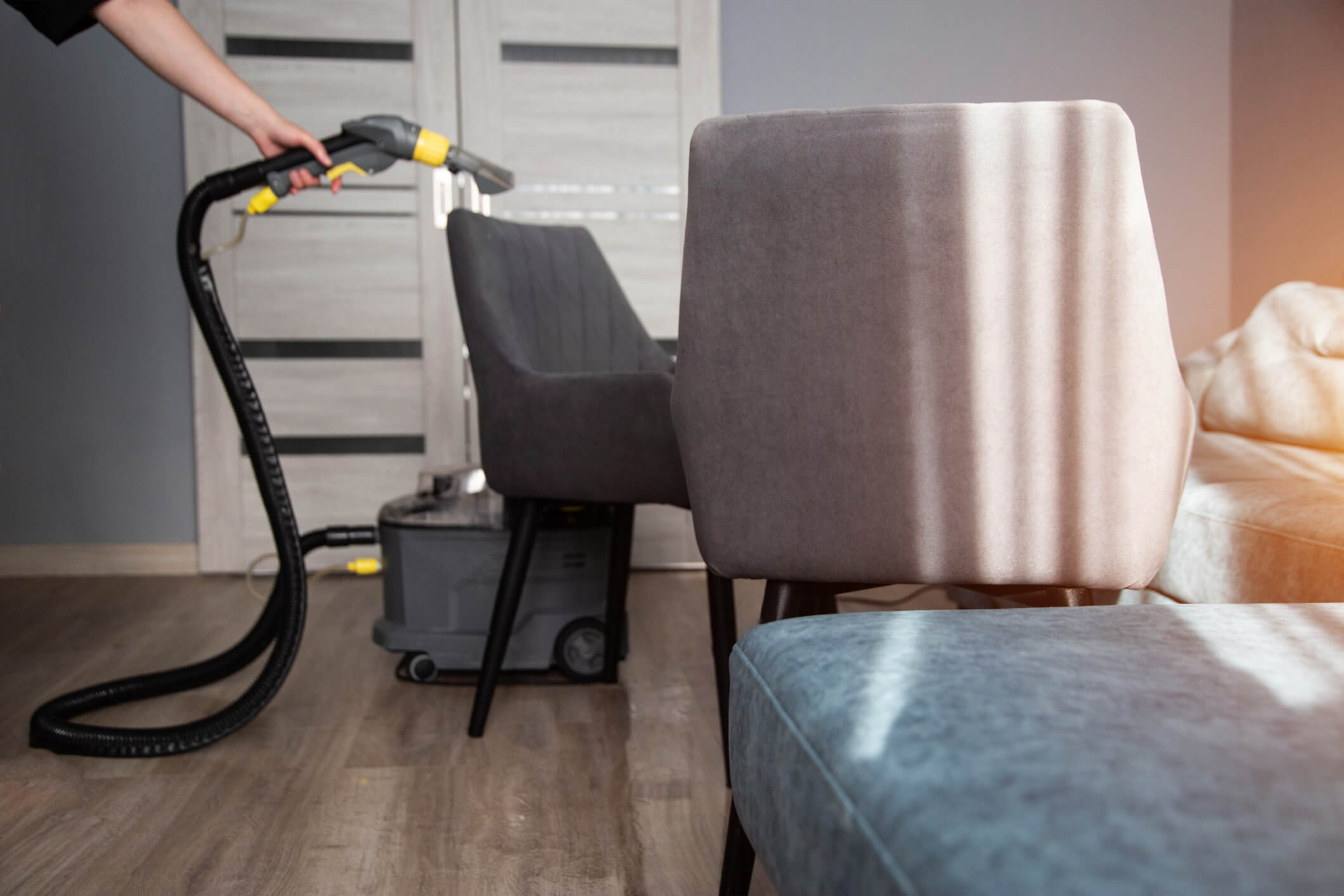
Dining chairs take more abuse than almost any other piece of furniture in a home. Every meal is a potential stain event: sauces, oils, wine, juice, butter, salad dressing, and everything in between end up on seats and chair backs daily. Unlike sofas, which are often treated as showpieces, dining chairs are used hard and cleaned last, which means food stains have more opportunity to set, dry, and bond deeply into the fabric, leather, or wood surface.
At
Ultra Guard, we have worked with homeowners across California to protect and restore upholstered furniture of every type. In this guide, we cover
how to remove the most common food stains from dining chairs made of fabric, leather, wood, and vinyl. We also explain why
professional fabric protection is the single best investment you can make to keep your dining chairs looking like new for years.
Before You Begin: What You Need to Know About Food Stains on Dining Chairs
Food stains are not all the same. Some are water-based, some are oil-based, and some are a combination of both. Using the wrong cleaning method for the stain type can make things significantly worse, so before you reach for any product or cloth, it helps to understand what you are dealing with.
The Three Main Categories of Food Stains
- Protein-based stains: eggs, meat juices, dairy, baby food. These require cold-water treatment; hot water will permanently set a protein stain by causing it to bond to the fabric fibers.
- Oil and grease-based stains: butter, salad dressing, cooking oil, and sauces. These require an absorbent treatment first, followed by a degreasing agent.
- Pigment and tannin-based stains: red wine, tomato sauce, juice, coffee, tea, soy sauce. These respond well to cold water and detergent but can be stubborn if allowed to dry.
Many common food stains are a mix of more than one category. A pasta sauce stain, for example, is both oil-based and pigment-based, which means it requires a two-stage approach. For a deeper understanding of stain types and how to treat them, see our
guide to understanding different types of fabric stains.
The Golden Rules Before Any Stain Treatment
- Act immediately: the faster you treat a food stain, the better your results will be
- Blot, never rub: rubbing spreads the stain and pushes it deeper into the material.
- Always test your cleaning solution in a hidden area first, such as the underside of the seat cushion.
- Check the care tag on upholstered chairs before applying any liquid cleaner.
- Use cold water for protein stains; warm water for oil and grease stains.
How to Remove Food Stains from Fabric Dining Chairs
Fabric dining chairs are the most common and the most stain-vulnerable. Whether your chairs are upholstered in a woven blend, cotton, polyester, or a performance fabric, food stains need to be treated promptly and carefully to avoid permanent setting. Here is how to handle the most frequent offenders.
Grease and Oil-Based Food Stains (Butter, Salad Dressing, Cooking Oil)
- Gently scrape off any solid residue with the edge of a spoon or a blunt knife. Do not press down.
- Sprinkle a generous layer of baking soda or cornstarch over the stain. Allow it to sit for at least 15 to 20 minutes to absorb the oil from the fabric fibers.
- Brush away the powder gently, then mix one teaspoon of dish soap with one cup of warm water.
- Dampen a clean white cloth with the solution and blot the stain from the outside edge inward. Do not scrub.
- Rinse by blotting with a cloth dampened with plain cold water to remove all soap residue.
- Blot dry with a clean towel and allow the chair to air dry fully. Do not apply heat.
Sauce, Tomato, and Pigment-Based Food Stains
- Use a spoon or blunt knife to remove any solid or thick sauce residue. Work from the outside edge of the stain inward to prevent it from spreading.
- Mix one tablespoon of liquid dish soap with two cups of cold water.
- Apply the solution to a clean, white cloth, then blot the stain gently. Replace the cloth as it picks up color from the stain.
- For stubborn tomato or red sauce stains, add one tablespoon of white vinegar to the solution. Vinegar helps break down the acidic pigment in tomato-based foods.
- Rinse by blotting with plain cold water, then blot dry with a clean towel.
- Allow the fabric to dry completely before placing the chair back in use.
Wine and Juice Stains on Fabric Dining Chairs
Wine and fruit juice stains on fabric dining chairs are extremely common, especially during dinner parties and family meals. The key with these stains is speed and cold water: never use hot water, which can set the pigment permanently.
- Blot up as much of the liquid as possible immediately with a clean cloth. Apply gentle pressure; do not rub.
- Pour a small amount of cold water directly onto the stain to dilute it, then blot again.
- Apply a mixture of dish soap and cold water, and blot the remaining stain.
- For red wine specifically, a small amount of club soda poured onto the stain before the soap treatment can help lift the pigment.
- Rinse with cold water, blot dry, and allow to air dry fully.
Coffee and Tea Stains on Fabric Dining Chairs
Coffee and tea are tannin-based stains that respond well to prompt treatment but become much harder to remove once dry. Do not let coffee or tea stains dry on fabric dining chairs if you can help it.
- Blot up the liquid immediately with a clean white cloth.
- Mix one tablespoon of dish soap with one tablespoon of white vinegar and two cups of cold water.
- Apply with a clean cloth and blot gently from the outside of the stain inward.
- Rinse with cold water and blot dry. Repeat if necessary.
Egg and Protein-Based Food Stains
Protein-based food stains, including egg, meat juice, and dairy, must be treated with cold water only. Hot water causes proteins to coagulate and bond permanently with fabric fibers, turning a treatable stain into a permanent one.
- Gently scrape off any solid residue with a blunt edge.
- Rinse the area with cold water by blotting, not pouring directly onto the fabric.
- Mix 1 teaspoon of enzyme-based laundry detergent or dish soap with cold water, then blot the stain.
- Rinse with cold water and blot dry. Never apply heat until the stain is completely gone.
Important reminder: Never use hot water or a hairdryer on protein-based food stains. The heat will permanently bond the protein to the fabric, making removal impossible. Always use cold water for egg, dairy, and meat stains.
How to Remove Food Stains from Leather Dining Chairs
Leather is one of the more forgiving dining chair materials when it comes to food stains, because most liquids do not immediately penetrate a sealed leather surface. However, leather still requires prompt attention and the right cleaning products: the wrong approach can dry out the leather, cause cracking, or leave a permanent mark. For all leather care, always follow with a leather conditioner after cleaning.
General Food Stains on Leather
- Wipe up the food immediately with a clean, slightly damp cloth. Use gentle, circular motions, but do not saturate the leather with water.
- For residue or dried-on food, use a small amount of leather-specific cleaner on a soft cloth. Avoid generic household cleaners, which can strip the leather’s protective coating.
- Buff the area gently with a dry, soft cloth after cleaning.
- Apply a leather conditioner to restore moisture and protect the surface after any cleaning session.
Grease and Oil Stains on Leather Dining Chairs
- Blot up excess grease immediately with a clean dry cloth. Do not rub.
- Apply a small amount of cornstarch or talcum powder to the grease stain and leave it for several hours or overnight to absorb the oil, especially for tougher stains.
- Gently brush away the powder with a soft brush.
- Clean the area with a leather cleaner, then apply conditioner.
Note on leather types: Aniline and semi-aniline leather are much more porous and sensitive than pigmented leather. If your dining chairs are made from a premium or natural leather, treat all stains with extra caution and consult a professional if you are unsure. Pigmented leather, which is the most common type used in dining chairs, is the most durable and easiest to clean.
How to Remove Food Stains from Vinyl and Faux Leather Dining Chairs
Vinyl and faux leather dining chairs are among the easiest to clean after food spills, as their non-porous surfaces prevent liquids from soaking in. Most food stains on vinyl can be wiped clean with a damp cloth if addressed quickly. For dried or stubborn stains:
- Wipe up the food residue with a damp cloth and a small amount of mild dish soap.
- For dried, caked-on food, dampen the area first with a warm, damp cloth to soften it, then wipe clean.
- For stubborn pigment stains such as tomato or berry, a small amount of baking soda paste (baking soda mixed with a few drops of water) applied with a soft cloth can help lift the stain without damaging the surface.
- Rinse with a clean, damp cloth and dry thoroughly to prevent water spots.
- Avoid abrasive scrubbing pads or harsh chemical cleaners, which can scuff or crack the vinyl surface over time.
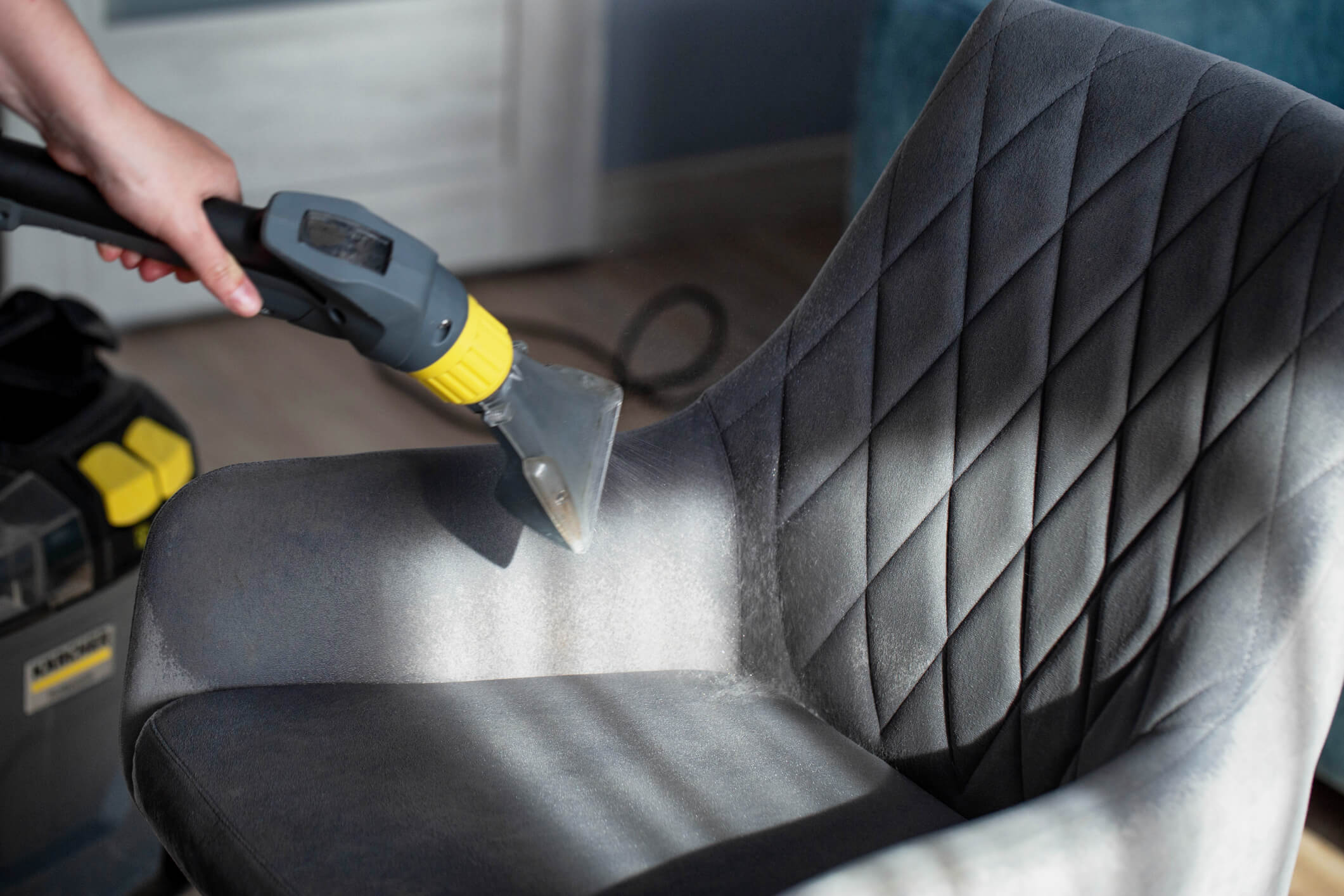
How to Remove Food Stains from Wooden Dining Chair Seats and Arms
Many dining chairs have wooden seat surfaces, arms, or frames, all of which are prone to food stains and watermarks. The treatment depends on the wood finish: sealed or lacquered wood is far more forgiving than raw or oiled wood.
Fresh Food Stains on Sealed Wood
Wipe immediately with a slightly damp cloth. Most fresh food stains on sealed wood surfaces will come off cleanly. Follow with a dry cloth to prevent water marks. For greasy stains, use a small amount of dish soap on the damp cloth before wiping, then rinse with a clean, damp cloth and dry thoroughly.
Dried Food Stains on Wood
For dried-on food on a wood surface, dampen the area with a warm, damp cloth and let it soften the food for a few minutes before wiping. Do not use abrasive scrubbers, which can scratch the wood finish. For
water rings and moisture marks on wooden dining chair arms and frames, see our dedicated guide:
How to Protect Wood Furniture from Water Stains.
Quick Reference: Removing Specific Foods from Dining Chair Fabric
Here is a fast-reference guide to the most common food stains on dining chairs and the best first-response treatment for each:
Butter and Margarine
Absorb with baking soda or cornstarch first, then treat with dish soap and warm water. Do not skip the absorbent step; applying liquid directly to a butter stain will spread it.
Salad Dressing and Vinaigrette
These are oil and acid combined. Absorb the oil with baking soda first, then treat the remaining pigment with a dish soap and cold water solution. The vinegar in the dressing can actually help lift its own pigment when diluted.
Ketchup and Tomato Sauce
Scrape off the solid residue first, then treat with cold water and dish soap. For set stains, a small amount of hydrogen peroxide (3% concentration) applied with a cotton swab can help lift the red pigment on light-colored fabrics; always test first.
Soy Sauce and Dark Condiments
Blot immediately with cold water to dilute, then treat with a dish soap solution. Soy sauce contains dark tannins that set quickly, so speed is critical. For very stubborn cases, an enzyme-based stain remover works well.
Chocolate and Desserts
Allow solid chocolate to harden first, then gently scrape off the solid residue. Treat the remaining stain with cold water and dish soap. Warm water will melt the fat in chocolate into the fabric, so always use cold water.
Baby Food and Purees
Baby food stains are
especially common on dining chairs in homes with young children, and they combine protein, starch, and pigment. Scrape off the solid residue, then treat with cold water and an enzyme-based detergent. Read our guide on
top stain prevention strategies for homes with kids and pets for broader advice on protecting your furniture in high-traffic family settings.
How to Remove Old and Dried Food Stains from Dining Chairs
Fresh stains are always easier to treat than dried ones, but old food stains on dining chairs are still often removable with the right approach. The key is to rehydrate the stain before attempting to lift it.
- Apply a small amount of cold water to the dried stain, then let it sit for a few minutes to soften the dried food residue.
- Gently scrape off any loose solid material with a blunt-edged tool.
- Apply your cleaning solution (dish soap and cold water, or an enzyme-based cleaner for protein stains) and allow it to sit on the stain for 5 to 10 minutes before blotting.
- Blot gently, working from the outside in. You may need to repeat this process two or three times for a deeply set stain.
- Rinse with cold water and blot dry. Allow the chair to air dry completely.
For guidance on tackling old stains that have completely set, read our post on
how to remove old stains from carpet: many of the same rehydration and enzyme treatment techniques apply equally to upholstered dining chairs.
If a stain has been there for a long time, has been treated incorrectly in the past, or is on a delicate or luxury fabric,
professional treatment is the safest option. Read our guide on
upholstery protection: DIY vs. professional services to decide which approach is right for your situation.
How to Remove Food Odors from Dining Chair Fabric
Some food stains, particularly those involving fish, strong sauces, or fermented foods, can leave a persistent odor even after the visible stain is gone. Baking soda is the most effective odor neutralizer for fabric dining chairs. After cleaning and drying the stained area, sprinkle a generous layer of baking soda onto the fabric, let it sit for at least 1 hour (or overnight for strong odors), then vacuum it thoroughly.
For pet-related food odors that have soaked into chair cushions, an enzyme-based cleaner is particularly effective because it breaks down the organic compounds causing the smell. Read our post on
how to remove pet stains and odors from carpet for more on this approach.
The Best Way to Protect Dining Chairs from Food Stains: Prevention
Reactive stain removal is always harder than prevention. The most effective way to protect fabric dining chairs from food stains is to apply a professional-grade fabric protection treatment before the stains happen. A quality treatment creates an invisible barrier around every fiber of the upholstery, repelling liquids and preventing food residue from bonding to the fabric. When a spill does occur, it beads on the surface rather than soaking in, giving you time to wipe it away cleanly.
At Ultra Guard, our
stain-free fabric protection is trusted by homeowners across California for exactly this reason. It is invisible, safe for all fabric types, and does not alter the look or feel of your dining chairs. Our professional application covers every fiber thoroughly, providing a level of protection that off-the-shelf
fabric protector sprays cannot match on their own.
Beyond professional treatment, here are some practical everyday habits that help reduce food staining on dining chairs:
- Use placemats and tablecloths to catch most food and drink spills before they reach the chair.
- Address spills immediately rather than leaving them to dry
- Keep a clean white cloth and a small spray bottle of cold water near the dining area for fast response.
- Rotate chair cushion covers into the wash regularly if they are removable and washable.
- Reapply fabric protector spray to high-contact areas every few months as a maintenance measure.
Recommended Cleaning and Maintenance Schedule for Dining Chairs
Dining chairs benefit from a simple, consistent cleaning and maintenance routine. Here is what we recommend:
After Every Meal
- Wipe down wooden and vinyl surfaces with a slightly damp cloth.
- Address any visible food residue on fabric seats before it dries.
Weekly
- Vacuum fabric seat cushions with an upholstery attachment to remove crumbs and debris
- Spot-check all chair surfaces for any stains that need treatment.
Monthly
- Deep clean fabric seats with your chosen upholstery cleaner
- Condition leather seats and backs with a leather conditioner.
- Reapply fabric protector spray to the highest-contact areas.
Seasonally
Best Cleaning Products for Food Stains on Dining Chairs
Having the right products on hand means you can respond to food stains immediately rather than scrambling. Here are the most useful cleaning products for dining chair stain removal:
- Gentle liquid dish soap (Dawn or equivalent): the single most versatile food stain cleaner for fabric, vinyl, and wood
- Baking soda: essential for absorbing oil and grease stains and neutralizing food odors
- White vinegar: excellent for breaking down tannin stains (coffee, tea, tomato, wine) on colorfast fabrics
- Enzyme-based upholstery cleaner: the best choice for protein stains (egg, meat, dairy, baby food) and persistent organic stains
- Cornstarch or talcum powder: for absorbing fresh grease and oil stains on both fabric and leather
- Leather-specific cleaner and conditioner: the only safe choice for genuine leather dining chairs
- Clean white microfiber cloths: always use white cloths to avoid color transfer from the cloth to your chair
Frequently Asked Questions About Removing Food Stains from Dining Chairs
Can I use bleach to remove food stains from fabric dining chairs?
In most cases, no. Bleach is too harsh for most upholstery fabrics and can cause irreversible color damage. The only exception is white or very light-colored fabric that is specifically labeled as bleach-safe on its care tag. Even then, use a highly diluted solution and test in a hidden area first. For colored or patterned fabric dining chairs, stick to enzyme-based cleaners or dish soap solutions.
What is the best way to remove a set-in food stain from a fabric dining chair?
The best approach for a set-in food stain is to rehydrate the stain with cold water, let it soften for a few minutes, then apply an enzyme-based cleaner and let it sit on the stain for 5 to 10 minutes before blotting. Repeat the process two to three times if needed. For very stubborn set stains that do not respond to home treatment, professional cleaning is the most reliable solution.
How do I remove grease stains from dining chair cushions?
Start by absorbing as much of the grease as possible with baking soda or cornstarch before applying any liquid cleaner. This is the step most people skip, and it makes a significant difference. After absorbing the oil, treat the remaining stain with a dish soap and warm water solution, blotting gently from the outside in. For more details, see our full guide on
how to remove grease from upholstery.
Is professional fabric protection worth it for dining chairs?
Absolutely, and arguably more so for dining chairs than for any other piece of furniture in your home, precisely because
dining chairs are exposed to food and drink every single day. Professional fabric protection prevents food spills from soaking into the fibers, which means most incidents can be wiped away without leaving a stain. It dramatically reduces the frequency of deep cleaning and extends the life of the upholstery. Read our full breakdown: Is
fabric protection worth it?Can I put dining chair cushion covers in the washing machine?
Many dining chair cushion covers are removable and machine washable, but you should always check the care label first. If the cover is machine washable, use a gentle cycle with cold water and a mild detergent. Never put a cushion cover in a hot dryer if there is any remaining stain, as the heat will set it permanently. Air-dry instead, and treat any remaining stains before washing, if possible.
How do I remove food stains from a high chair or booster seat?
High chair and booster seat fabric is often the most heavily stained surface in a home with young children. The same principles apply: act quickly, blot rather than rub, use cold water for protein stains, and enzyme-based cleaners for organic food residue. For high chairs with removable fabric inserts, check whether they are machine washable. For plastic or vinyl surfaces, a damp cloth with mild dish soap cleans most food residue easily. See also our guide on
how to keep your furniture clean while your kids are home this summer.
What should I do if a food stain damages the fabric on my dining chair?
If a stain has caused visible discoloration that cannot be removed with home treatment, or if a previous cleaning attempt has damaged the fabric, professional upholstery cleaning or reupholstering may be the best option. Contact Ultra Guard for a professional assessment. In some cases, a targeted professional stain treatment can restore fabric that appears permanently stained. See:
upholstery protection: DIY vs. professional services.
Final Thoughts: Keep Your Dining Chairs Looking Their Best
Dining chairs are among the hardest-working pieces of furniture in any home, and food stains are an unavoidable part of daily life. The good news is that with the right technique, most food stains on dining chairs can be completely removed, especially when treated promptly. Acting fast, blotting rather than rubbing, using the right solution for the stain type, and never applying heat are the four principles that will deliver the best results every time.
Better still, the right
fabric protection treatment applied before stains happen means you spend far less time cleaning and far more time enjoying your dining space. At
Ultra Guard, we protect dining chairs, sofas, carpets, and all upholstered furniture across California with our
professional stain-free fabric protection treatment. Invisible, long-lasting, and safe for every fabric type, it is the best investment you can make for your furniture.
Ready to protect your dining chairs before the next spill?
Contact Ultra Guard today to learn more about our professional fabric protection service for dining chairs and all upholstered furniture.