- By Dick Fleming on Sunday, February 1st, 2026 in Stain Removal. No Comments
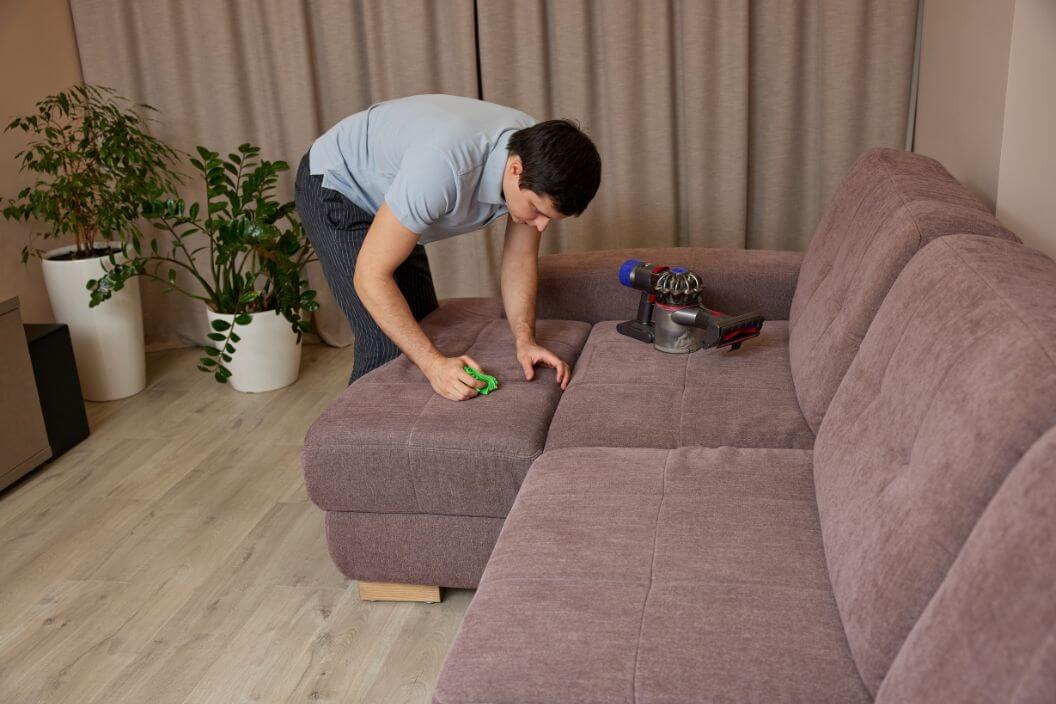
Upholstery is one of the most used and admired parts of your home, from your comfy sofa to your favorite armchair. But with everyday life comes inevitable messes: spills from drinks, food, or pets, accidental ink marks, or even grease from your kitchen. Knowing how to handle upholstery stains quickly and safely can save your furniture and prolong the life of your upholstery fabrics.
In this guide, we’ll walk you through the 5 most common upholstery stains, explain the stain removal process step by step, and share tips to maintain the beauty of your furniture. Using the right cleaning solutions, techniques, and tools like cloths, sponges, and safe stain removers, you’ll learn the essential steps and things you need to do to tackle almost any stain without damaging your materials.
Food and drinks are the most frequent causes of upholstery stains. Coffee, red wine, juice, sauces, and chocolate are the usual culprits. Because liquids can quickly absorb into upholstery fabrics, the center of the stain can become stubborn if left untreated.
If a spill occurs, blot up the excess liquid right away with a clean cloth or paper towel. Refrain from scrubbing, as this can push the stain deeper into the fabric and damage the fibers.
For stubborn red wine stains, sprinkle a bit of baking soda or cornstarch over the area to help absorb the liquid, leave it for 15–20 minutes, and then vacuum it away.
Grease or oil from food, body lotions, or accidental spills is particularly tricky because it doesn’t mix with water. The key is to remove as much excess oil as possible without spreading it.
This approach works well on upholstery fabrics like cotton or polyester. For wool or delicate fabrics, test the solution on a hidden area first to prevent damage.
Whether from children, pens, or accidental printer ink spills, ink stains are a common upholstery problem. Quick treatment is essential to prevent spots from setting.
If the ink is stubborn, mix 1 tablespoon of dish soap with a splash of vinegar and 2 cups of water. Use a sponge to blot the area, then dry with a clean cloth. This method is safe for most upholstery fabrics and furniture materials.
Pets are part of the family, but they can leave behind pet odor and stains. Accidents like urine, vomit, or muddy paws can affect upholstery fabrics and leave lingering smells.
For persistent stains or odors, consider a commercial stain remover specifically designed for pets. Always follow the cleaning process carefully to avoid damage to the upholstery.
Red wine is notorious for leaving stubborn stains on upholstery. Other dark drinks, like cola or grape juice, can also cause similar problems.
For delicate upholstery fabrics, test the solution on a hidden area first. Using cold water is safer for most fabrics, while heat can set the stain permanently.
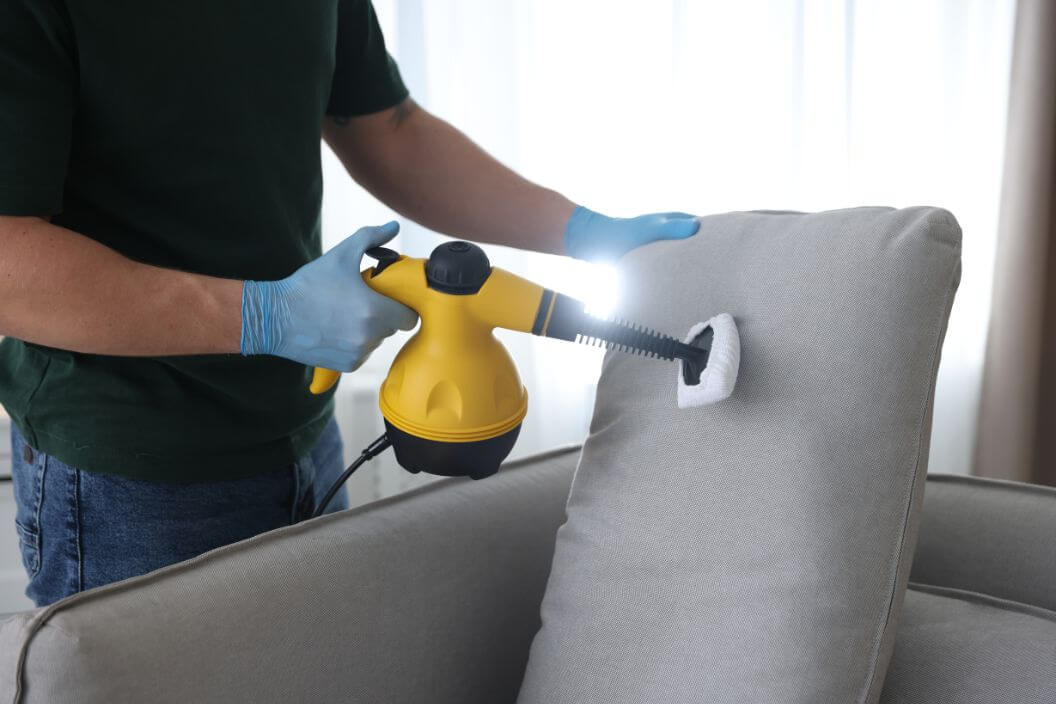
Handling upholstery stains effectively requires the right approach, tools, and care:
Upholstery stains are a fact of life, but with the right approach, tools, and products, almost any stain can be treated without damage. Whether it’s food, drinks, grease, ink, or pet accidents, following a careful cleaning process — from blotting spills immediately to using safe cleaning solutions like vinegar, baking soda, or detergent — can restore your furniture and keep your upholstery fabrics looking their best.
Remember: quick action, proper techniques, and regular care and maintenance are the keys to preserving the beauty and life of your sofa, couch, or any upholstery piece in your home. By understanding the types of stains and the methods to remove them, you’ll be prepared for any spill or mess that comes your way.
Sometimes, despite your best efforts, upholstery stains can be too stubborn to fully remove with home cleaning solutions and DIY steps. If the dirt has deeply penetrated your furniture’s fabric, or if repeated attempts haven’t restored its appearance, it may be time to contact a professional cleaning service.
At Ultra-Guard Fabric Protection, we offer professional-grade sprays that not only help remove stains but also provide long-lasting protection against spills, pet accidents, and even sun and UV damage. Whether it’s upholstery, carpet, or curtains, using our products can make future stain removal steps easier and help your furniture maintain its beauty for years.
Call us today to learn how we can help protect your sofa, couch, or other upholstery pieces and keep your fabrics looking their best!
Can I use bleach on upholstery fabrics?
No, bleach can damage fabrics and fade colors. Stick to gentle cleaning solutions or professional stain removers.
How often should I clean my upholstery?
Regular maintenance is key—vacuum weekly and deep clean at least every 6–12 months to keep your furniture looking fresh.
Are all upholstery fabrics safe to use with stain protection sprays?
Most upholstery fabrics are compatible, but it’s best to test a small area first to ensure no discoloration or damage.
Will upholstery sprays protect against sunlight?
Yes! Professional sprays like ours can offer UV and sun protection to prevent fading and maintain the beauty of your fabrics.
Can I protect my couch from pet scratches and stains?
Stain protection sprays mainly prevent spills and stains, but using covers and regular care can help protect against scratches.
What’s the best way to remove dirt from fabric before applying protection?
Vacuum thoroughly to remove loose dirt and dust, then spot clean any stains before applying a fabric protector.
Can I use fabric protection sprays on curtains or drapes?
Yes, these products work on most soft fabrics, including upholstery, curtains, and drapes, helping prevent future stains.
How long does a fabric protection treatment last?
Depending on use and cleaning frequency, protection can last several months. Reapply as needed for ongoing stain prevention.
When should I hire professional cleaning services for upholstery?
If stains are stubborn, widespread, or on delicate fabrics, professional cleaning services can restore your furniture safely and effectively.
Is fabric protection safe for the home environment?
Yes! Our products are designed to be safe for your home environment while providing lasting stain protection.