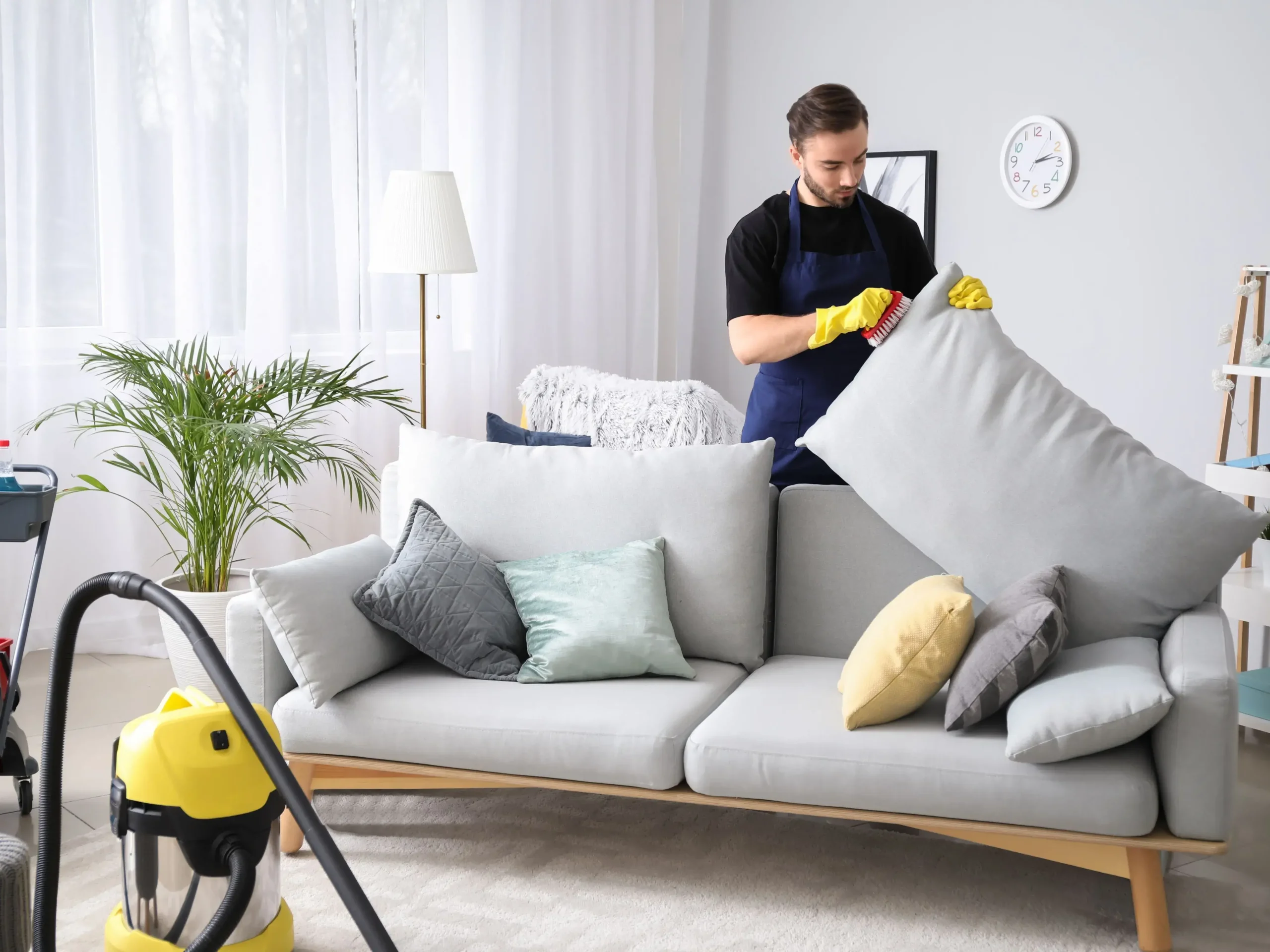
Coffee stains on fabric sofas are a common household problem. Whether it’s a spill during a morning routine or a casual coffee break with friends, these stains can be stubborn and unsightly. The good news is that with the right care, treatment, and cleaning techniques, you can restore your upholstery to a fresh, spotless state. This guide will walk you through every step on how to remove coffee stains from fabric sofas. With simple techniques and everyday household items, you can restore your sofa to a clean and fresh condition.
Identifying the Fabric Type
Before you start any cleaning process, it’s crucial to identify the type of fabric your sofa is made from. Different fabrics require different levels of care. Some materials, like microfiber and polyester, are durable and can handle gentle scrubbing with a mild solution of soap and water. More delicate fabrics, such as silk or velvet, need extra care and may require a specialized upholstery cleaner. Understanding your fabric type will help you choose the right blot and spot treatment without damaging the material. Always check the care label and, if necessary, test any cleaner on an inconspicuous area first.
Immediate Actions to Take
The faster you act, the better your chances of removing coffee stains. Begin by gently dabbing the spill with a clean cloth or sponge to soak up as much liquid as you can. Be careful not to rub the area, as this can push the coffee deeper into the fabric and make the stain harder to remove. For fresh coffee stains, immediate treatment is essential. A gentle dab with water or a mild soap solution can help prevent the stain from setting, giving you a head start on the cleaning process.
Using Cold Water for Stain Removal
Cold water is one of the simplest and most effective ways to remove coffee stains from fabric sofas. After blotting excess liquid, soak a clean cloth in cold water and dab the stained area. The water helps to dilute the coffee and lift it from the fabric fibers. Avoid using hot water at this stage, as heat can set the stain, making it harder to remove. Repeat this process until the stain appears lighter. Cold water works well for many types of upholstery and is a gentle first step in stain treatment.
Applying Baking Soda and Vinegar
For stubborn coffee stains, a combination of
baking soda and vinegar can be highly effective. Sprinkle a small amount of baking soda directly on the coffee stain. Next, mix vinegar and water, then gently pour the mixture over the baking soda. The mixture will fizz, helping to lift the stain from the fabric. Using a soft brush or sponge, gently scrub the area in circular motions. After treatment, blot the area with a cloth to absorb excess liquid. This method is safe for most upholstery fabrics and acts as a natural stain remover while keeping your sofa fresh.
Using Dish Soap and Warm Water Solution
Another effective treatment for coffee stains involves using a mild detergent. Mix a few drops of dish soap in warm water to create a gentle cleaning solution. Dip a sponge or cloth into the solution and dab the coffee-stained area. Work from the outside of the stain toward the center to prevent spreading. Allow the solution to sit for a few minutes, then blot with a clean, damp cloth to rinse. This technique is particularly useful for older or set-in coffee stains, as the detergent helps break down the oils and residue in the fabric fibers.
Techniques for Deep Cleaning
For more persistent stains, deep cleaning may be necessary. After initial treatments with water, vinegar, or baking soda, use a soft-bristled brush to gently scrub the affected area. Focus on the area where the coffee stain is concentrated, avoiding damage to the upholstery. You can also use a commercial upholstery cleaner or a specialized coffee
stain remover for deeper penetration. Always follow the manufacturer’s instructions and rinse the fabric thoroughly with water afterward to remove any residue. Repeat the process if necessary, as some coffee stains require multiple treatments for complete removal.
Drying and Protecting the Fabric
Once the coffee stain has been treated, proper drying is essential to prevent mold or mildew growth. Gently blot the area with a dry cloth to absorb excess moisture, then allow the fabric to air dry. Avoid direct sunlight, which can fade the upholstery. For added protection, consider applying a fabric protector after the area is completely dry. This helps repel future stains and keeps your sofa looking fresh. Regular care and maintenance, including vacuuming and spot cleaning, can prolong the life of your upholstery and prevent coffee stains from becoming a recurring problem.
Preventive Measures to Avoid Future Stains
Prevention is always better than cure when it comes to coffee stains. Use coasters or trays to minimize spills, and establish a no-coffee zone on delicate fabrics. Consider keeping a mild detergent or upholstery cleaner on hand for quick treatments if spills occur. Training household members or guests to use mugs with lids can also reduce the risk of accidents. Regular care, including prompt blotting of any liquid and periodic deep cleaning, ensures your sofa stays fresh and coffee-free. With consistent attention and proper treatment techniques, you can enjoy your coffee without worrying about permanent stains on your upholstery.
Conclusion
Keeping your fabric sofa looking its best is possible with a little attention and care. Regular maintenance and timely cleaning can make a big difference in preserving its appearance and comfort. By staying mindful of spills and treating your sofa gently, you can enjoy a clean and inviting living space for years to come.
Protect Your Sofa and Handle Stubborn Coffee Stains
Sometimes, coffee stains can be particularly stubborn or may have set too deeply to be fully removed at home. If a stain persists despite careful cleaning, or if you want to keep your sofa looking fresh and protected, professional fabric protection is a smart choice. Ultra-Guard Fabric Protection offers stain-removal solutions and fabric care products for sofas, carpets, and curtains, helping maintain the appearance and longevity of your furniture.
Trust
Ultra-Guard Fabric Protection to safeguard your investment and keep your home furnishings looking clean, fresh, and well-maintained for years to come.
Frequently Asked Questions
How quickly should I treat a coffee stain?
You should act immediately. The faster you blot and clean, the easier it is to remove.
Can I use hot water on a coffee stain?
No. Cold or lukewarm water is better because hot water can set the stain.
Will baking soda damage my sofa?
No. Baking soda is gentle and safe for most upholstery fabrics.
Can I use vinegar on all types of fabric?
It works on most fabrics, but test a small hidden area first to avoid any damage.
Should I rub or blot a coffee stain?
Always blot gently. Rubbing can spread the stain and push it deeper into the fabric.
Can dish soap remove coffee stains?
Yes. A mild dish soap mixed with warm water can help lift the stain effectively.
How do I dry my sofa after cleaning?
Blot the area with a dry cloth and let it air dry. Avoid direct sunlight.
Can coffee stains return after cleaning?
Yes, if the stain isn’t fully treated. Repeat the cleaning process if needed and dry the fabric completely.
How can I prevent coffee stains in the future?
Use coasters, treat spills immediately, and consider fabric protection to keep your sofa fresh.
Can I use a sponge or a cloth for all cleaning methods?
Yes. A soft sponge or a clean cloth works well for blotting, gently scrubbing, and applying cleaning solutions without damaging the fabric.