- By Dick Fleming on Friday, November 14th, 2025 in News. No Comments
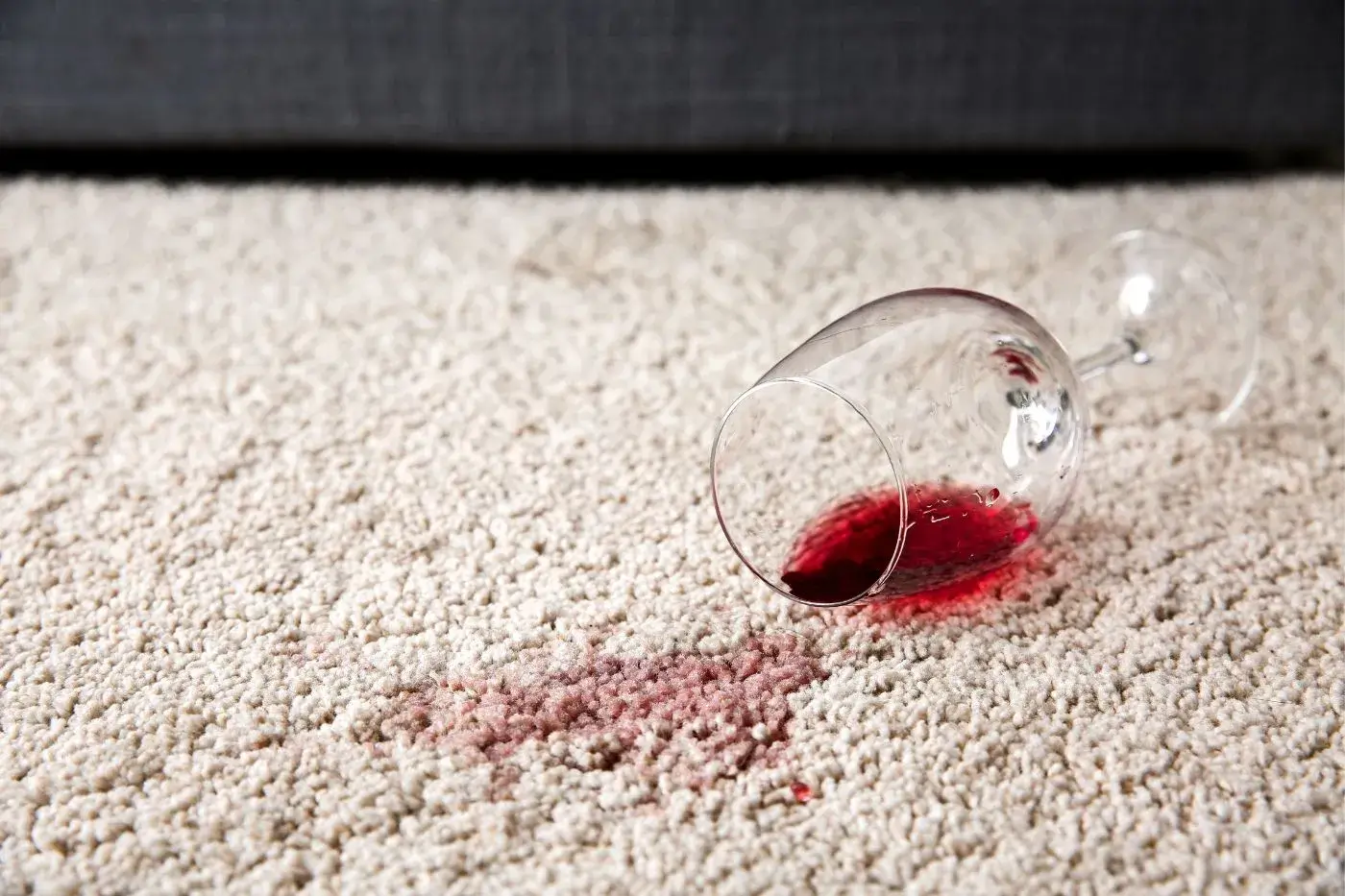
Removing wine stains from upholstery can often feel overwhelming, especially when the spill occurs during a busy moment or a special gathering. A wine spill can quickly spread through fabrics, carpets, and even clothing if you do not take immediate action. The good news is that, with the right method, a gentle touch, and a clear plan, you can effectively clean the stain without damaging your furniture. This guide walks you through the best upholstery care practices, including household remedies, commercial product tips, and the proper way to blot, dab, rinse, and remove stains using safe solutions. Whether you’re dealing with fresh red wine stains or stubborn dried spots, the following tips will help you restore your furniture and prevent long-term damage.
Quick response is critical when handling a wine spill on upholstery. The faster you act, the easier it will be to absorb the liquid before it fully settles into the fabrics. Start by grabbing a dry cloth or sponge to blot—but never rub—the stain. Rubbing might push the wine deeper into the material, worsening the stain and damaging delicate clothing or upholstery fibers.
Make sure you use gentle pressure and dab the spill repeatedly. Your goal is to remove as much liquid as possible before applying any stain remover or detergent solution. If available, sprinkle a bit of salt over the spill to help absorb remaining moisture. Salt is a classic method because it draws liquid up from fabrics, making later cleaning easier.
If you have club soda, water, or even a mild detergent solution, this is also a good time to apply a small amount to keep the wine from setting. The key is immediate action—delaying even a few minutes may make the stain harder to lift later.
Many everyday items already in your home can help remove wine stains effectively. Vinegar, baking soda, salt, and club soda are among the most frequently recommended solutions for upholstery care. Each works differently, but all can help loosen or neutralize wine’s natural dyes.
White vinegar is particularly useful for red wine stains, as it helps break down the pigment. Combine vinegar with a small amount of water and apply it gently to the stain. Then, blot the area with a clean cloth. For older stains, sprinkle baking soda directly onto a lightly dampened stain to help lift lingering content from the upholstery. Baking soda’s natural absorbency makes it ideal for carpets or clothing that need extra attention.
Another popular household trick is to pour a small amount of club soda onto the stain and let the carbonation help lift the wine. While the method doesn’t work for everything, many people swear by it for fresh spills. If you prefer a more traditional approach, a simple mix of warm water and a gentle detergent solution can also be a powerful stain remover.
These home remedies provide a chemical-free and accessible way to handle common stains, especially when an immediate solution is needed before resorting to a stronger product.
When home remedies are not enough, commercial upholstery cleaners can be an effective solution. Many professionally formulated fabric stain remover products target tough stains like red wine and provide a safe method for different fabrics. Look for a fabric stain remover labeled as safe for upholstery, clothing, and carpets to ensure your product won’t damage delicate materials.
Before applying any upholstery cleaner, always test the solution on an inconspicuous area. Even gentle products can sometimes interact differently with different fabric types. Commercial cleaners often come in a spray bottle, making them easy to apply in a controlled way. Spray lightly, allow the product to sit according to directions, then blot with a clean cloth.
Some cleaners contain hydrogen peroxide, which can break down pigments; however, it should be used carefully to avoid bleaching. Always check whether your upholstery is color-safe before using any peroxide-based product. Bleach should never be used directly on upholstery or carpets, as it can cause permanent damage to the fabric.
Commercial cleaners offer a powerful, targeted solution to eliminate red wine stains, particularly when older or more stubborn marks resist fading with household remedies.
If you prefer homemade approaches, several DIY methods can help remove wine stains without relying on commercial products. A popular DIY solution combines water, vinegar, and a small amount of gentle dish soap. This mixture creates a mild detergent solution that helps loosen a stain without harsh chemicals.
Another effective method involves mixing hydrogen peroxide with baking soda to break down pigment. Apply the mixture carefully and watch for any signs of bleaching. While effective, this method should not be used on dark or delicate fabrics.
For a natural approach, try mixing salt and club soda into a paste. Spread the paste gently over the stain and let it sit for at least 15 minutes. The carbonation lifts the stain while the salt absorbs liquid.
DIY solutions are ideal when you want control over the ingredients you apply to your upholstery. They’re also practical when you need a quick remedy without reaching for a store-bought stain remover.
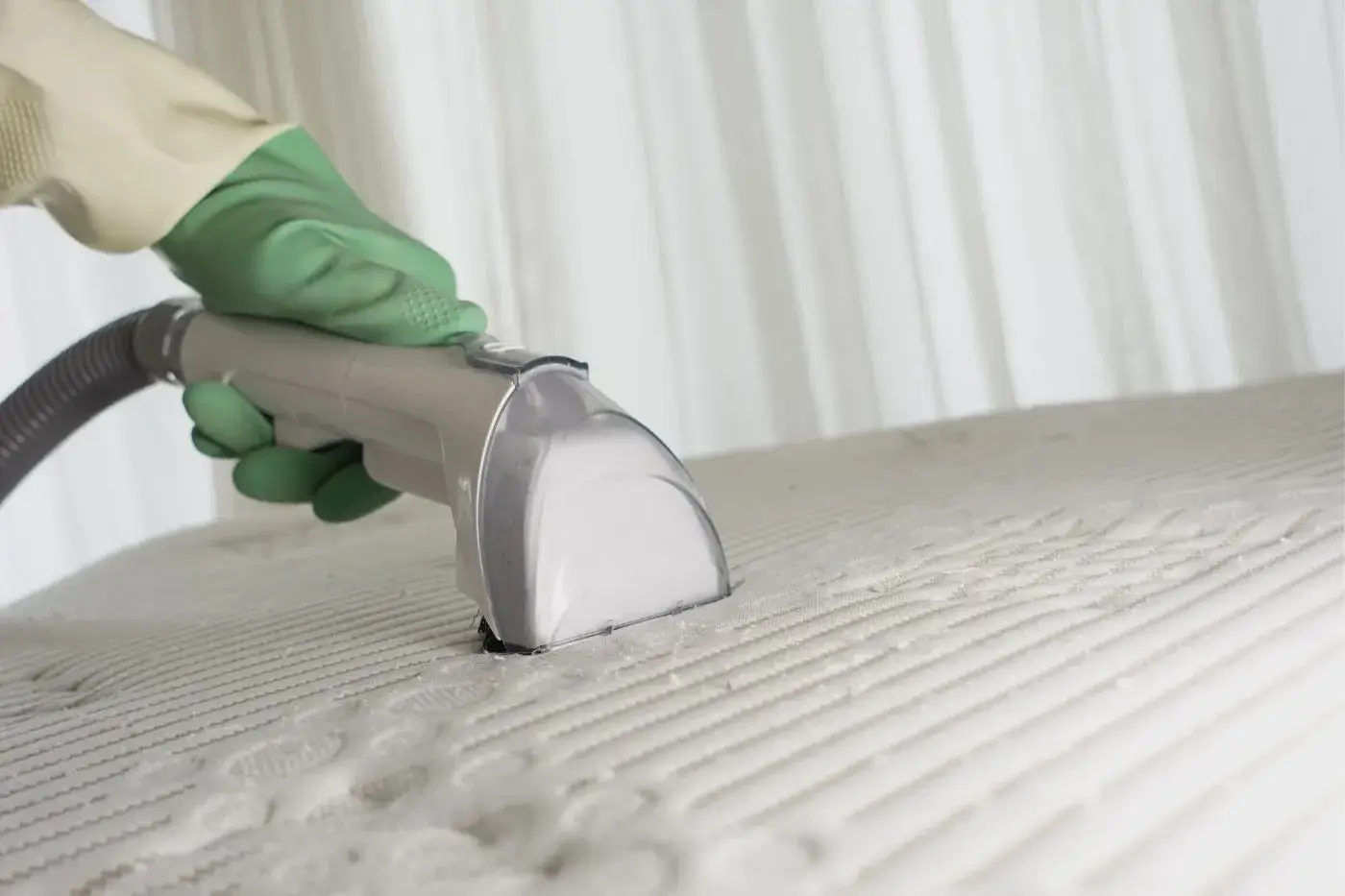
Protect your upholstery and carpets from wine stains and spills with Ultra-Guard Fabric Protection
Not all fabrics respond the same way to cleaning solutions. Knowing how to treat your specific upholstery can make a significant difference in the success of stain removal.
Microfiber: Microfiber is durable but sensitive to water spotting. Use an alcohol-based spray instead of traditional water solutions. Blot with a dry cloth rather than rubbing.
Linen: Use gentle methods, as linen can stretch or discolor. A mild detergent solution applied with a sponge is often the safest method.
Velvet: Velvet requires careful dabbing, not blotting. Use minimal liquid and allow the fabric to air dry naturally.
Synthetic Fabrics: These usually tolerate most stain remover products, including vinegar and mild detergents.
Silk: Never use peroxide or strong cleaner on silk. Stick strictly to gentle blotting and minimal water.
Understanding your fabric type ensures your cleaning method won’t damage or weaken the upholstery.
Many people assume all wine spills are the same, but red and white wine stains behave differently. Red wine stains contain dark pigments that soak quickly into fabrics, making immediate action essential. Red wine requires stronger stain remover solutions, such as vinegar, baking soda, or hydrogen peroxide mixtures.
White wine stains, on the other hand, are much lighter and often less visible. While easier to manage, they can still leave residue or sugars that attract dirt. A simple water and detergent solution usually works well for white wine.
Although white wine is less intense, both types of wine contain acids and tannins that can damage upholstery fibers. Following the right method for each type ensures thorough cleaning and long-term upholstery care.
Blotting is one of the most crucial steps in removing a stain. Always blot, dab, and lift—never rub. Rubbing forces liquid deeper into fabrics, making stains harder to remove and potentially leaving permanent damage.
Use a clean, dry cloth and press gently. Rotate the cloth frequently so you always blot with a fresh section. Blotting helps absorb the wine while keeping the stain from spreading outward across the upholstery.
Once the stain is gone or mostly lifted, proper drying is essential. Rinse gently with clean water to remove any remaining cleaning solution, then gently press with a dry cloth to absorb the moisture. Avoid using heat sources like hair dryers, as they may set any residue still stuck in the fabric.
Allow the upholstery to air-dry completely. Afterward, brush the fabric lightly to restore its texture. For carpets, vacuum the area once fully dry.
Post-cleaning upholstery care ensures that stains do not return and that fabrics remain in optimal condition after treatment.
Removing wine stains from upholstery, carpets, rugs, or even clothes doesn’t have to feel overwhelming. When you understand how to blot gently, absorb excess liquid quickly, and apply the right stain remover or DIY method, you can tackle almost anything a spill leaves behind. Whether you’re dealing with red wine stains on delicate fabrics or a stubborn mark on thicker carpet fibers, immediate action and the correct cleaning approach make all the difference.
For homeowners seeking long-term protection—not just emergency stain solutions—Ultra-Guard Fabric Protection offers advanced fabric protection services and premium products designed to help keep upholstery, carpets, rugs, and other soft surfaces protected for an extended period. Their protective treatments help reduce the stress of accidental spills and stains by creating a barrier that supports healthier, fresher indoor spaces.
If you prefer ongoing peace of mind or want to prevent future wine stain incidents, consider applying a professional-grade protector to your furnishings.
If the stain is severe, keeps reappearing, or you simply prefer expert help, calling a professional is always a smart decision. Professionals have specialized tools, powerful stain-removal solutions, and deep knowledge of how different fabrics react under stress. They can safely restore upholstery and carpet without risking damage.
For enhanced protection and long-term upholstery care, reach out to Ultra-Guard Fabric Protection for expert fabric protection services and premium stain prevention products that help safeguard your home’s furnishings from the spills and surprises of daily life.
How quickly should I act after a wine spill?
You should take immediate action. Gently blot the spill with a dry cloth or sponge to absorb as much liquid as possible before it sets.
Can I use household items to remove red wine stains?
Yes! Common items like vinegar, baking soda, salt, and club soda can help lift wine stains from upholstery, carpets, and even clothes.
Should I rub or blot a wine stain?
Always blot or dab the stain gently. Rubbing can push the liquid deeper into fabrics, making the stain worse.
Are commercial fabric stain removers safe for all upholstery?
Most fabric stain remover products are safe, but it’s best to test on a hidden area first, especially on delicate fabrics like silk or velvet.
Can professional fabric protection prevent future wine stains?
Yes. Ultra-Guard Fabric Protection offers products and treatments that guard upholstery, carpets, and rugs, helping prevent damage from spills and stains.