- By Dick Fleming on Wednesday, January 7th, 2026 in News. No Comments
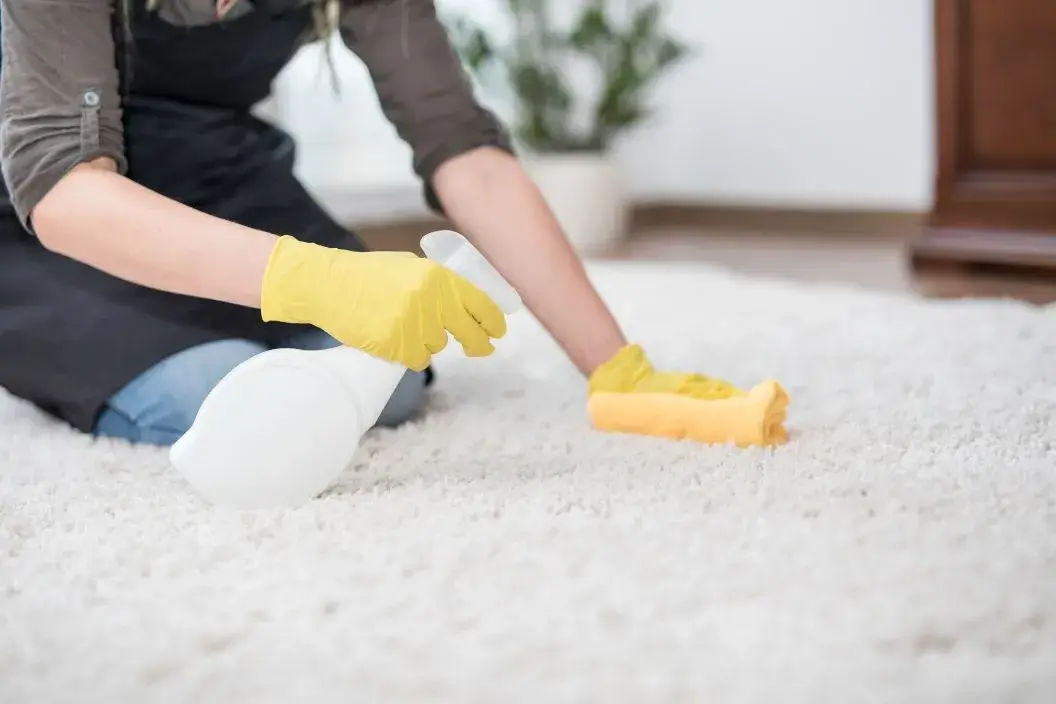
Carpets add warmth, comfort, and style to any house, but they are also magnets for dirt, mud, and spills. For family members, guests, and pets alike, foot traffic can quickly turn your beautiful carpet into a stained and discolored surface. Taking preventive measures and using effective carpet care methods can make a big difference in maintaining the appearance and longevity of your flooring. By combining routine maintenance, effective entryway management, and prompt spill cleanup, you can protect your carpets from common issues such as mud stains, water damage, and odors.
The first step in protecting your carpets from dirt and mud stains is choosing the right carpet material. Some fibers are naturally more resistant to stains, water, and allergens, while others may discolor quickly if not properly cared for. Wool, nylon, and polypropylene carpets are known for their durability, stain resistance, and comfort underfoot. Wool, in particular, can absorb moisture without becoming damaged, which helps prevent mold and mildew growth.
Consider the areas of your house where you will place carpets. High-traffic rooms, like the living room or entryways, benefit from synthetic carpets that can withstand frequent vacuuming and scrubbing. Bedrooms or lower-traffic rooms may accommodate softer fibers that prioritize comfort and warmth. Adding area rugs or runners in certain sections can also provide an extra layer of protection while maintaining style.
Proper treatment, such as stain-resistant solutions or fiber protectors, can make a significant difference. Carpet experts recommend applying these treatments shortly after installation to establish a shield against dirt, mud, and other debris.
One of the simplest and most effective ways to prevent dirt from entering your home is the use of doormats. Placing absorbent mats at every entrance acts as a barrier, trapping soil, dust, and moisture before it reaches your carpets. Choose mats with strong bristles or textured surfaces that can scrape shoes clean, especially in areas that face heavy outdoor traffic.
For best results, pair entryway mats with smaller rugs inside the doorway to catch any residual dirt. Scrapers and bristle mats are particularly effective for removing stubborn mud stains from shoes and boots. Encourage family members and guests to wipe their feet thoroughly before stepping onto carpeted floors. A simple routine of regularly cleaning mats—either by shaking out debris or vacuuming—ensures they continue to work effectively as a dirt barrier.
Don’t forget shoe racks or baskets near doors. Keeping footwear organized in one spot reduces the likelihood of dirt being tracked further into your house.
Another key strategy to protect carpets is creating shoe-free zones. By asking household members and visitors to remove shoes before entering carpeted areas, you can dramatically reduce dirt, mud, and chemical residues brought in from outdoors. Placing a small rug or mat by the door, with a shoe basket, can make this transition easier and more visually appealing.
Shoe-free zones also help reduce the introduction of allergens, pet hair, and dust into your carpet fibers. This preventive action complements other measures like doormats, scrapers, and regular vacuuming, creating a comprehensive approach to carpet maintenance.
Vacuuming is essential for carpet care and can help prevent dirt from settling deep into the fibers. High-traffic areas, such as hallways and the living room, require more frequent vacuuming than lower-traffic rooms. A consistent vacuuming routine removes soil, dust, and small debris before they become embedded, helping prevent discoloration and wear.
Pay attention to corners, edges, and areas under furniture, as these spots often accumulate hidden dirt. For households with pets or children, vacuuming multiple times per week may be necessary. Using a vacuum with strong suction and rotating brushes ensures the removal of mud, dust, and allergens. Always follow the manufacturer’s instructions for the best results, and remember that combining vacuuming with other methods, such as mats, runners, and carpet protectors, provides the most effective defense.
For added protection, carpet protectors and sealants can create a shield that repels dirt, water, and stains. These treatments coat the fibers and reduce absorption of moisture, mud, and spills, making cleanup easier and more effective. Carpet experts often recommend professional-grade sealants for high-traffic areas, but DIY solutions such as a mild protective spray or a topical treatment can also work for smaller spaces.
Using protectors in combination with rugs and area mats provides a layered approach. This is particularly important in entryways, living rooms, and sections where spills or pet accidents are more likely. Regular maintenance, including brushing fibers and promptly treating spots, will enhance the longevity of the protection.
When accidents happen, quick action is crucial to prevent permanent carpet stains. For mud stains, allow the mud to dry slightly before attempting to remove it. Once dry, use a brush or vacuum to lift as much debris as possible. Avoid rubbing, as it can push dirt deeper into the fibers.
For water and liquid spills, blot the area with a clean cloth to absorb moisture. Applying a mixture of vinegar and water can help neutralize odors and prevent mildew. Always work from the outside of the stain toward the center to avoid spreading the mess. Keeping cleaning supplies handy near high-traffic areas or entryways ensures you can act immediately when dirt or mud is tracked inside.
Various stain removal products can address carpet stains caused by mud, pet accidents, or spills. Carpet cleaners, brushes, and absorbent cloths are staples for any cleaning toolkit. For stubborn stains, experts suggest using a mixture of baking soda and water or a vinegar-based solution to lift discoloration and odor.
Commercial carpet stain removers are available for specific issues, including mold, mildew, and pet stains. The key is patience and correct application: allow the cleaner to work on the stain, then blot and rinse according to instructions. Regular use of the right products ensures your carpet fibers remain intact, colors stay vibrant, and the surface is free of residues.
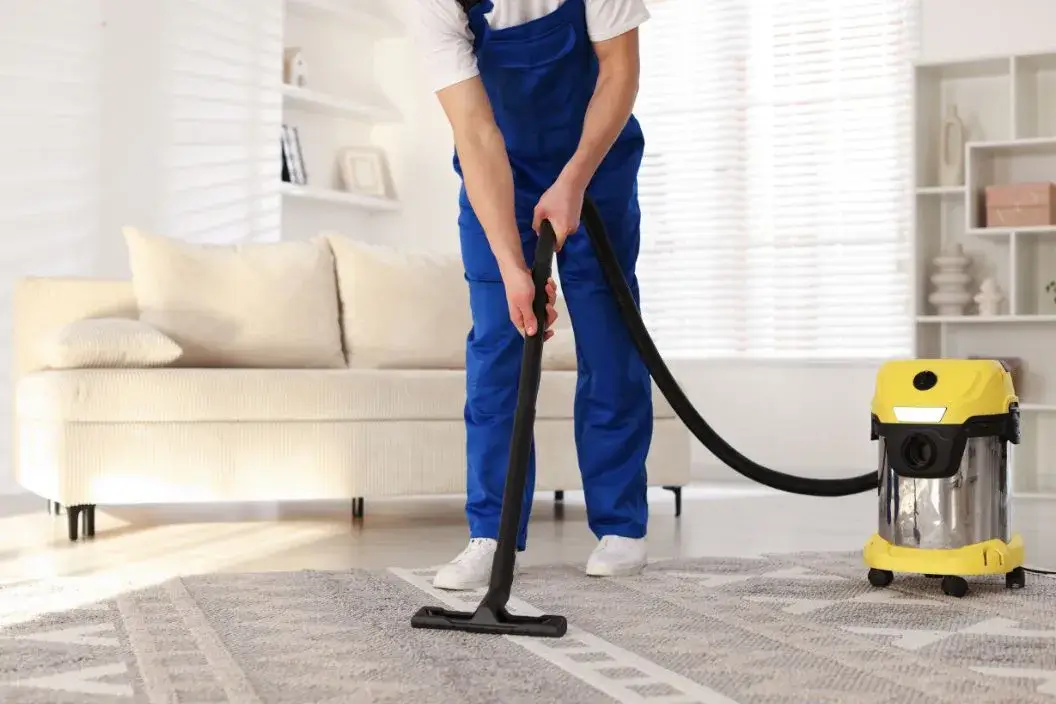
While regular vacuuming and home treatments work for everyday care, professional carpet cleaning can restore carpets that have suffered from heavy traffic, stains, or seasonal wear. Carpet cleaning companies use specialized solutions, equipment, and techniques to deep-clean fibers, remove embedded dirt, and neutralize odors.
Scheduling professional cleaning once or twice a year is recommended, especially in high-traffic areas such as living rooms, kitchens, and entryways. Experts can also apply protective treatments that extend the life of your carpets and make future stain removal easier.
High-traffic areas require extra attention to prevent premature wear and dirt accumulation. Using runners and area rugs in hallways, doorways, and around activity centers can help protect the underlying carpet. Rotate rugs regularly to distribute wear evenly, and vacuum these sections more frequently.
Scrapers and mats near doors are particularly helpful, as they catch debris before it spreads. Pay attention to spots prone to spills or pet activity, and consider using fiber treatments or sealants for additional protection. Consistent maintenance in these areas is key to preserving the carpet’s appearance and preventing stains from becoming permanent.
Different seasons bring unique challenges for carpet care. Wet or muddy seasons increase the likelihood of soil, water, and mud stains entering the house. During these times, prioritize mats, scrapers, and shoe-free zones, and increase vacuuming frequency.
Winter and rainy seasons may require more moisture management, as damp fibers can lead to mold or mildew if left untreated. In summer, allergens and dust are more prevalent, so regular vacuuming and occasional professional cleaning become more important. Seasonal treatments such as protective sprays, odor neutralizers, and deep cleaning can keep carpets looking fresh and resilient year-round.
By combining thoughtful preventive measures, a consistent cleaning routine, and targeted treatments, you can protect your carpets from dirt, mud, and stains while maintaining their beauty and comfort. From choosing the right fibers to using mats and runners, implementing shoe-free zones, and calling in professional help when necessary, these strategies cover all parts of effective carpet care. With patience and proper maintenance, your carpets can remain a centerpiece of style, comfort, and warmth in your home.
Even with the best prevention measures—like mats, runners, and shoe-free zones—some carpet stains and dirt issues can be difficult to handle at home. Whether it’s mud, pet accidents, or spills from food and drinks, certain stains require a specialized solution to remove them completely while protecting your carpet fibers.
Ultra-Guard Fabric Protection offers a full range of carpet care services designed to safeguard your floors. By scheduling an appointment, you can focus on your home and family while Ultra-Guard handles the cleaning, treatment, and protective chemicals needed to maintain your carpets. Stain removal is just one part of the process; preventive treatments act as a barrier that shields your carpets from future dirt, water, and debris.
Using Ultra-Guard’s solutions is the most effective way to keep high-traffic areas, entryways, and living spaces looking fresh and well-maintained. Ultra-Guard’s treatments bond with carpet fibers, helping prevent discoloration, stains, and odors while making routine maintenance easier and more efficient.
Take action today to protect your investment. Ultra-Guard Fabric Protection provides both immediate cleanup and long-term prevention, ensuring your carpets remain clean, comfortable, and durable for years to come. Schedule your appointment now and experience the difference in carpet care and protection.
How can I prevent mud from getting on my carpets?
Use doormats at every entrance, implement shoe-free zones, and encourage wiping shoes before stepping onto carpeting.
What’s the best way to clean high-traffic areas?
Vacuum regularly, use area rugs or runners, and address spills immediately to keep dirt and debris under control.
Can a scraper help remove stubborn dirt from entryways?
Yes! A scraper works well at removing dried mud or debris from shoes before it gets onto your carpet.
How often should I vacuum my carpets?
For most homes, vacuuming at least twice a week is ideal, but high-traffic areas may need more frequent attention.
Where should I store shoes to prevent dirt from tracking in?
A shoe rack or basket near doors helps keep footwear organized and reduces the amount of dirt carried into the house.
Are carpet cleaners safe for all types of carpets?
Most carpet cleaners are safe, but always check the manufacturer’s instructions and test a small area first to avoid discoloration or fiber damage.
How do I deal with kitchen spills?
Blot the liquid immediately with a clean cloth, then use a suitable stain remover to prevent stains from setting into the floor.
Does seasonal care make a difference for carpets?
Yes! Seasonal maintenance—like spring deep cleaning or fall mud protection—helps extend the life of your carpets.
How can I remove pet odors from carpets?
Sprinkle baking soda on the affected area, let it sit for a while, then vacuum. This helps neutralize odors without harsh chemicals.
What are the most common carpet issues homeowners face?
The main issues include stains, water or moisture damage, dirt buildup, discoloration, and wear in high-traffic areas.