- By Dick Fleming on Tuesday, February 10th, 2026 in News. No Comments
Indoor furniture plays a major role in your home’s comfort, style, and overall appearance. From sofas and chairs in the living room to tables, mattresses, and coffee tables throughout your home, keeping these pieces clean is essential for both beauty and longevity. Proper furniture cleaning is not just about looks—it also helps protect your health, improve air quality, and preserve furniture for years to come.
This comprehensive guide covers effective methods, tools, and solutions for cleaning different materials and surfaces while maintaining a gentle approach that prevents damage.
Furniture naturally collects dust, dirt, debris, allergens, and even dust mites over time. Spills, stains, pets, sunlight exposure, and everyday use can lead to buildup that affects both appearance and hygiene. Without a proper cleaning routine, fabric furniture and upholstered items can trap allergens, reduce comfort, and impact the indoor environment.
Regular care and maintenance help sanitize surfaces, deodorize fabrics, refresh cushions, and cleanse hidden areas that are often overlooked. When done correctly, cleaning enhances your home’s style while protecting materials from premature wear.
Before starting, gather the right tools to make the job easier and safer for your furniture pieces:
Using the right tools and cleaners for each material helps prevent damage and preserve furniture quality.
Dusting is the foundation of all furniture cleaning. Dust accumulates quickly on surfaces such as tables, chairs, coffee tables, glass, and wood furniture. Use a microfiber cloth to trap dust instead of spreading it into the air.
Pay attention to hidden areas, such as the backs of sofas, under cushions, and corners where debris collects. Regular dusting helps reduce allergens and improve air quality throughout the house.
For wood surfaces, dust first before applying any polish. This prevents scratches and keeps the surface smooth and clean.
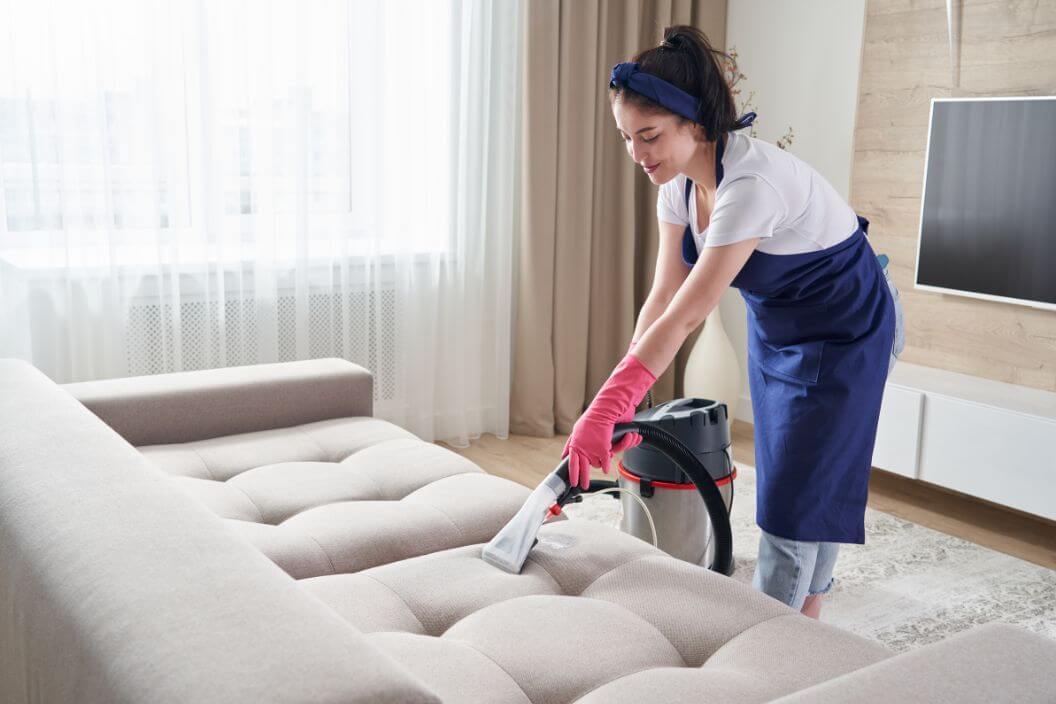
Upholstery and fabrics require special care. Always check the material type and manufacturer’s instructions before using any cleaner. Vacuum upholstered furniture thoroughly to remove dirt, dust mites, and loose debris.
For spot cleaning, blot stains immediately using a clean cloth and a gentle cleaning solution. Avoid rubbing, as this can spread the stain or damage fibers. Common spills, such as coffee, water, or food, should be cleaned up promptly to prevent permanent marks.
A mixture of vinegar, water, and mild soap can be an effective solution for many fabric furniture items. Test it on a small area first to ensure it won’t discolor the material.
Deep cleaning should be done periodically as part of your maintenance routine. Remove cushions when possible and vacuum all sides. Use upholstery cleaners designed for deep-cleaning to refresh and deodorize sofas and chairs.
For stubborn stains, apply the cleaner gently with a brush, working in one direction. Allow the area to dry completely to avoid moisture buildup, which can lead to odors or mold.
Deep furniture cleaning not only improves appearance but also enhances comfort and hygiene.
Leather furniture requires a different approach. Dust leather surfaces regularly with a microfiber cloth, then clean using a damp cloth and a mild soap solution. Avoid excessive water, as leather can absorb moisture and crack.
After cleaning, apply a leather conditioner to protect the surface and preserve flexibility. Conditioning helps prevent damage from sunlight exposure and keeps leather looking polished and smooth.
Never use harsh cleaners or alcohol-based solutions on leather, as they can strip natural oils and shorten its lifespan.
Wood furniture, such as tables and cabinets, benefits from gentle cleaning and occasional polishing. Use a soft cloth and a wood-safe cleaning solution to remove dirt without damaging the finish.
Glass surfaces, such as coffee tables, should be cleaned with a streak-free cleaner and a microfiber cloth. Always use coasters to protect table surfaces from coffee spills, water rings, and heat damage.
Regular cleaning of these surfaces enhances their beauty and keeps your furniture collection looking well cared for.
Mattresses are often overlooked but collect dust, allergens, and debris. Vacuum mattresses regularly and spot clean stains with a gentle cleaner. Allow proper drying and airflow to maintain freshness.
For specialty items and delicate materials, always use appropriate methods and test any cleaning solution beforehand.
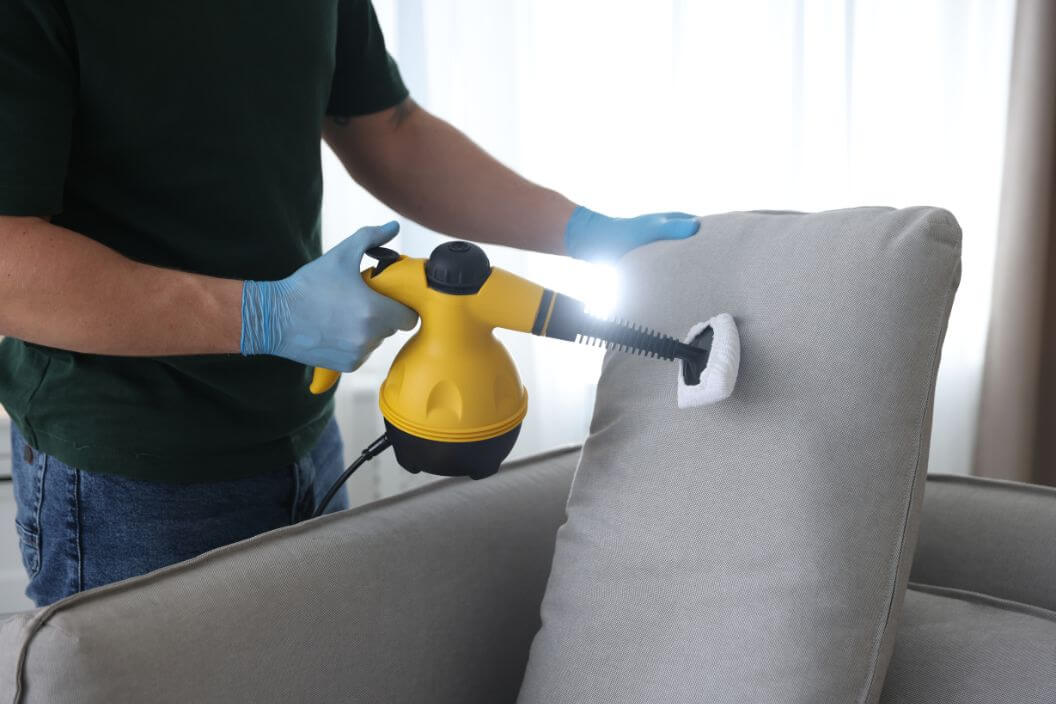
Preventative care is key to preserving furniture. Use coasters on tables, rotate cushions to even wear, and keep furniture out of direct sunlight. Regular maintenance reduces the need for frequent deep cleaning and helps protect fabrics, wood, and leather.
Store cleaning ingredients and tools in one area so your routine stays consistent and convenient.
DIY methods are effective for routine care and small stains, but professional furniture cleaning may be necessary for deep stains, allergens, or delicate materials. Professionals use advanced solutions and methods to safely sanitize, deodorize, and refresh furniture.
Indoor furniture cleaning is an essential part of maintaining a healthy, comfortable, and beautiful home. By using the right tools, gentle cleaners, proven techniques, and smart cleaning tricks, you can cleanse surfaces, protect materials, and preserve furniture for years to come.
A consistent routine helps maintain appearance, improve air quality, and create a cleaner environment for your family and pets. With proper care, your furniture will continue to enhance your living room and entire house with lasting style and comfort.
Even with regular cleaning, everyday use, spills, and pet accidents can leave your furniture looking dull or stained over time. For fabric sofas, upholstered chairs, and other delicate materials, using professional protection solutions ensures your pieces stay clean, comfortable, and long-lasting.
Ultra-Guard Fabric Protection offers comprehensive cleaning solutions and protective treatments for sofas, carpets, cushions, and curtains. Their gentle yet effective methods help sanitize, deodorize, and preserve furniture, while shielding fabrics from future spills, stains, and everyday wear.
Trust Ultra-Guard Fabric Protection to maintain the beauty, comfort, and longevity of your home furnishings, keeping every room fresh, stylish, and well cared for.
How often should I clean my indoor furniture?
Light cleaning like dusting should be done weekly, while deep cleaning is recommended every 6–12 months.
Can I use water to clean all types of furniture?
No. Some materials, such as leather and wood, should be cleaned with minimal water and appropriate cleaners.
What is the best way to remove stains from upholstery?
Blot the stain immediately with a clean cloth and use a gentle upholstery cleaner designed for fabric furniture.
Is vinegar safe for furniture cleaning?
Vinegar can be used in diluted form on some fabrics, but always test it on a small area first.
How do I clean cushions properly?
Remove cushions if possible, vacuum both sides, and spot-clean stains with a gentle cleaning solution.
How do I protect furniture from future stains?
Use coasters, clean spills quickly, and consider fabric protection treatments.
How should I clean and maintain a mattress?
Regularly use a vacuum on your mattress to eliminate dust, debris, and allergens, spot-clean any stains with a gentle cleaner, and let it dry completely while airing it out before use.
Is professional furniture cleaning better than DIY?
DIY works well for routine care, but professional furniture cleaning services are better for deep stains and delicate materials.
Can sunlight damage furniture?
Yes. Prolonged sunlight exposure can fade fabrics and dry out leather and wood surfaces.
What tools are essential for furniture cleaning?
A vacuum cleaner, microfiber cloth, soft brush, and appropriate cleaners for each material are usually enough.