- By Dick Fleming on Thursday, July 2nd, 2026 in Carpet & Rug Care. No Comments
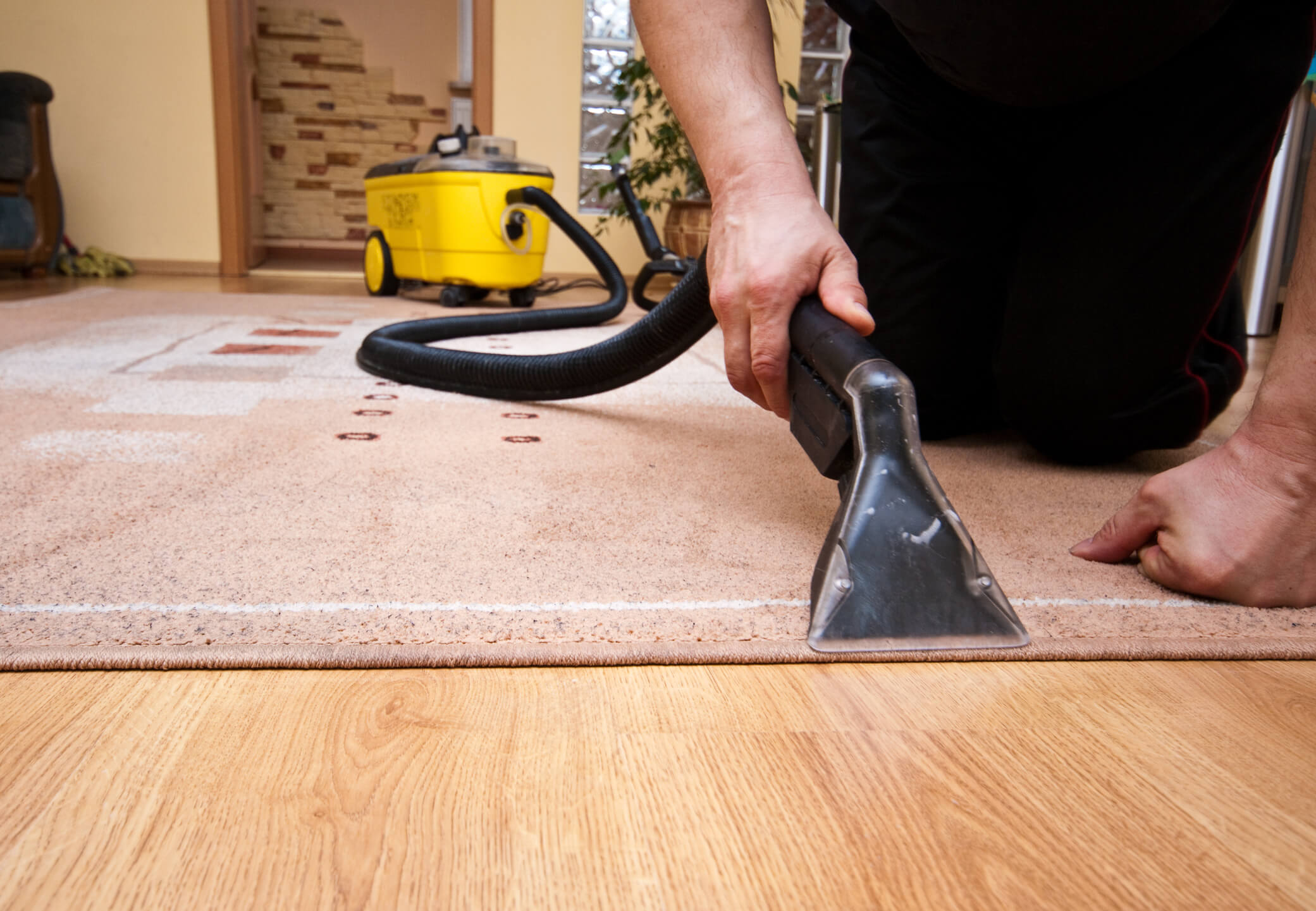
Carpet replacement is one of the most expensive home improvement projects most people face, typically running into thousands of dollars for a single floor, and it’s a cost that many homeowners accept as inevitable at some point. What doesn’t get discussed as often is how much of that wear is preventable, not by being more careful about spills, but by addressing what actually causes carpet fibers to degrade faster than they need to.
Understanding that mechanism changes the conversation around fabric protection from “nice to have” to something more like routine maintenance for a significant investment.
New carpet doesn’t fail because of one dramatic spill. It degrades gradually, through a combination of fiber abrasion, soil accumulation, and the progressive breakdown of whatever factory-applied stain resistance came with the carpet when it was installed.
Here’s the part most people don’t realize: factory-applied stain treatments are not permanent. They degrade with foot traffic, vacuuming, and cleaning. The molecules that give new carpet its initial resistance to stains physically wear away over time, leaving fibers increasingly exposed to the oils, dirt, and liquids that accelerate degradation. Most carpet warranties account for this; stain-resistance guarantees typically have a duration shorter than the carpet’s expected lifespan.
The practical consequence is that a carpet installed today may lose a meaningful portion of its factory-applied protection within a few years of regular use, well before the carpet is anywhere near the end of its useful life from a structural standpoint. What happens after that point is largely determined by how well the underlying fibers resist soil adhesion on their own, which, without additional protection, isn’t well at all.
Consumer-grade spray protectors and professional-grade fabric protection applications are not the same product, and the difference matters more than most people appreciate. A generic spray-on product typically coats the fiber’s surface, creating a temporary hydrophobic barrier that repels liquids until it wears off or is washed off. It is a surface treatment applied to the fiber’s exterior.
The nanotech formula used by Ultra-Guard works differently. Rather than coating the fiber surface, it chemically bonds to the individual fibers at the molecular level, altering how the fibers interact with liquids, oils, and particulate soil. Because the protection is bonded to the fiber rather than sitting on top of it, it doesn’t wash off, peel, or degrade during normal cleaning and vacuuming, as a surface coating does. The fiber becomes the protected surface, not just the thing underneath a protective layer.
For carpets specifically, this distinction has a direct consequence for lifespan: soil that cannot bond to a fiber cannot cause abrasive damage to it. Particulate dirt that gets vacuumed away cleanly rather than grinding into fiber structure over months of foot traffic leaves a measurably different carpet behind at the end of five years.
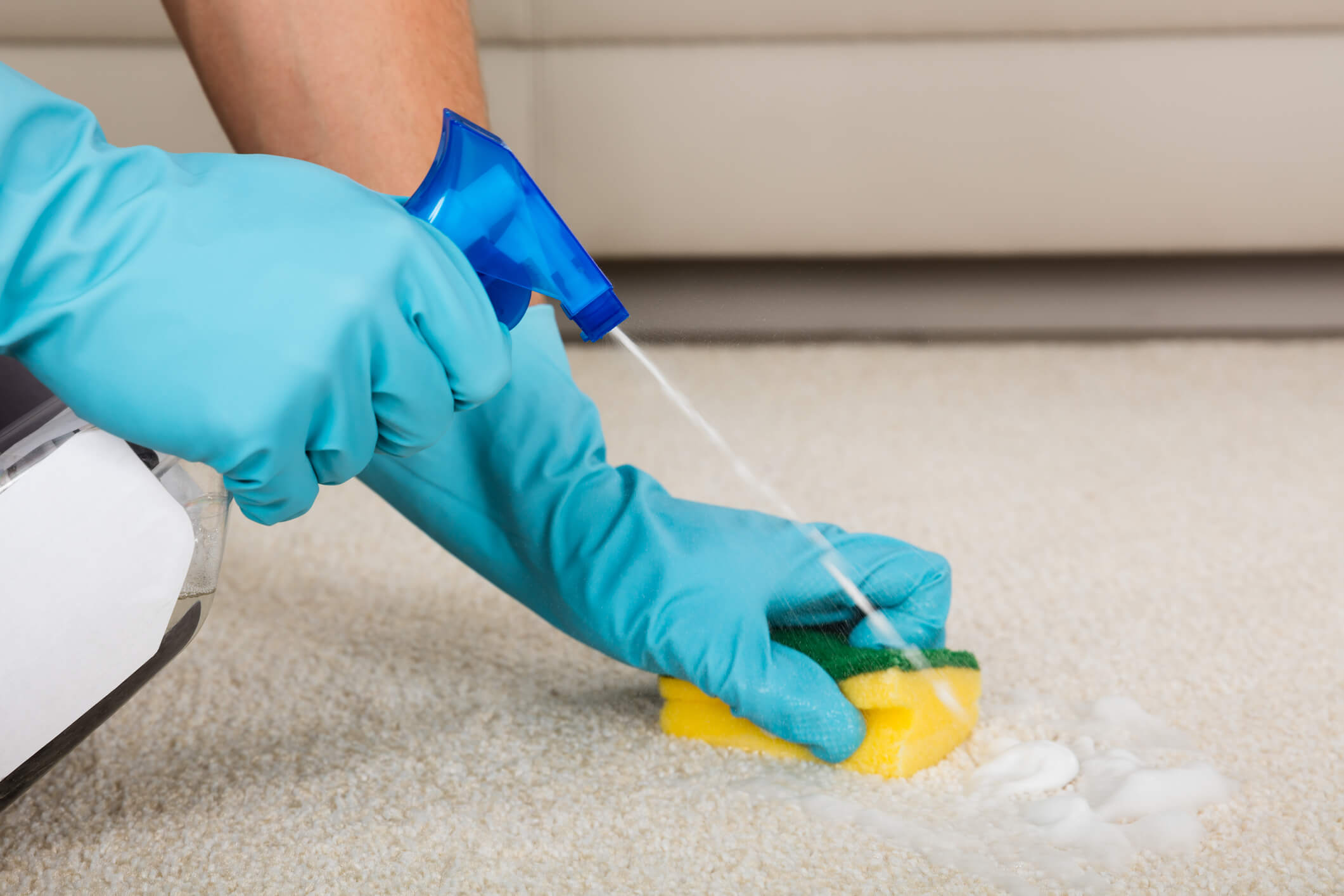
It reduces the abrasive damage caused by embedded soil. When dirt and fine particulate matter cling to unprotected fibers, every footstep grinds those particles against the fiber structure. Over time, this is one of the primary mechanisms of carpet wear: the fibers thin, fray, and lose resilience. A fiber that doesn’t allow soil to adhere in the first place is not experiencing that abrasive loading in the same way.
It keeps carpets cleaner between professional cleanings. Fiber that resists soil accumulation vacuums more effectively and requires less aggressive cleaning when it is professionally serviced. This is meaningful because the cleaning process itself, particularly steam cleaning and extraction, applies some mechanical stress to the fiber. Less soil accumulation means less frequent deep cleaning is needed, reducing cumulative stress over the life of the carpet.
It prevents stains from becoming permanent before they can be addressed. Spills that penetrate unprotected fiber and reach the backing or subfloor create a different kind of problem than spills that bead on the surface and can be blotted away. Protected carpets give homeowners a realistic window to address spills before they become permanent stains, which preserves both the appearance and the structural integrity of the carpet in high-traffic and high-risk areas.
The two best moments to apply professional fabric protection to carpet are right after installation, before the carpet has experienced meaningful soil loading, and right after a professional cleaning, when the fibers have been returned to as close to their original state as possible. In both cases, the protection bonds to a clean, open fiber structure rather than being applied over embedded soil, thereby improving adhesion and longevity.
Applying protection to a carpet that hasn’t been professionally cleaned first is the most common reason homeowners are disappointed with the results of fabric protection. If the fiber already carries embedded oil and soil at the time of application, the protection bonds to what’s on the fiber rather than the fiber itself, and performance is diminished accordingly. This is one reason Ultra-Guard’s in-home professional application, which can be coordinated with cleaning services, consistently outperforms DIY spray-on products applied without professional fiber preparation.
A carpet that was expected to last eight to ten years under normal conditions, properly protected from installation and maintained with appropriate cleaning intervals, can realistically exceed that range. Given the cost of carpet replacement, even extending the useful life of a floor covering by two or three years represents a return on investment that substantially exceeds the cost of the protection application.
The calculus is even more straightforward for high-value carpet: wool, fine area rugs, custom installations, and designer textiles, where replacement cost is high, and the aesthetic loss of early wear is particularly apparent. This is part of why interior design professionals consistently specify fabric protection for their clients’ installations; they see the before and after firsthand across multiple projects and understand what protected versus unprotected carpet looks like at the five-year mark.
If you want to understand what professional carpet protection looks like in practice and what surfaces and fiber types are covered, the What We Protect page covers the full range. For an overview of the application process and what to expect during an in-home service appointment, our fabric protection application page walks through how it works. To schedule a free, no-obligation quote, call Ultra-Guard toll-free at (866) 667-6685 or use the online quote form.
For additional context on how fiber degradation works and how surface treatments affect textile performance, the ASTM International standards body, which publishes widely referenced testing protocols for textile durability and performance, provides technical background on how carpet and upholstery performance is evaluated and measured in commercial testing environments.
Yes, through two main mechanisms: reducing the abrasive damage caused by embedded soil, and preventing stains from becoming permanent. Carpet that resists soil adhesion vacuums more effectively, requires less aggressive cleaning, and avoids the fiber degradation that comes from grinding particulate matter into unprotected fiber structure over the years of foot traffic.
The two optimal windows are right after installation, before meaningful soil loading occurs, and immediately following a professional cleaning, when the fibers are as clean and open as possible. Applying protection over soil-loaded carpet reduces both adhesion and effectiveness, which is why the cleaning and protection combination produces better long-term results than protection applied alone to a carpet that hasn’t been recently cleaned.
Consumer spray products generally coat the surface of the fiber, creating a temporary hydrophobic barrier that degrades with cleaning and foot traffic. Professional-grade nanotech formulas bond chemically to the fiber itself at the molecular level, altering how the fiber interacts with liquids and soil rather than just sitting on top of it. The result is a more durable, longer-lasting protection that doesn’t wash off or peel the way surface coatings do.
Applied correctly with the right formula for the specific fiber type, professional fabric protection should not alter the color, texture, or feel of carpet. Ultra-Guard’s formula is specifically designed to be color-neutral across both natural and synthetic fibers, and in-home professional application ensures the correct coverage and drying process for the specific carpet being treated.
This depends on the specific product, the fiber type, and the level of traffic the carpet experiences. Professional-grade, chemically-bonded formulas last significantly longer than surface-coat spray products. Ultra-Guard backs its application with a lifetime service warranty, which reflects the durability of a formula that bonds to the fiber rather than coating its exterior.