- By Dick Fleming on Thursday, April 2nd, 2026 in News. No Comments
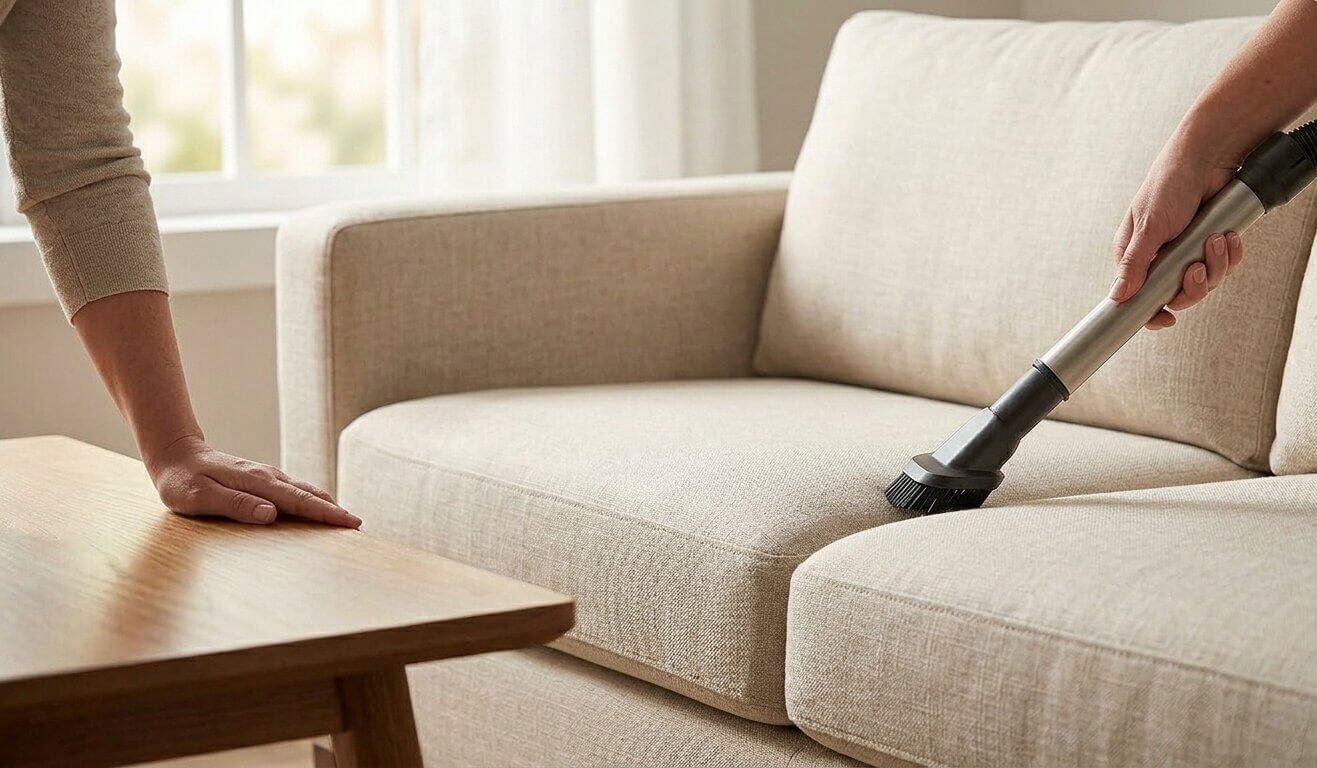
Applying Ultra-Guard Fabric Protection in San Juan Capistrano California to protect your furniture and extend its life through preventative care
High-quality furniture represents more than just a functional addition to a home; it is an investment in comfort and style that defines the living environment. At Ultra-Guard Fabric Protection, we understand that maintaining the beauty and integrity of these pieces requires a proactive approach to care that begins with the right tips for daily upkeep. Whether dealing with delicate cloth, robust leather, or intricate wood, the longevity of furnishings depends on consistent maintenance and ensuring that cushions and structural pads remain in prime condition to support the weight of daily use.
This guide explores the essential methods we recommend safeguarding your investment against the inevitable wear of daily life. By incorporating regular dusting into your routine, you can prevent abrasive particles from settling into the grain and ruining the look of your favorite area. Our goal is to provide the protection strategies necessary to maintain the aesthetic appeal and physical durability of every piece in your home through professional-grade solutions.
Every piece of furniture in a home tells a story, and we believe that story should not be cut short by premature damage. Furniture maintenance is the most effective way to ensure that chairs, sofas, and dining tables retain their value for generations. When homeowners neglect routine care, they risk the accumulation of dirt and dust, which can act as abrasives on various surfaces from hardwood to glass. We emphasize the importance of viewing furniture not just as items in a room, but as functional assets that require expertise to preserve. By paying attention to everything from the upholstery to the surrounding flooring, we ensure the entire design of your space remains cohesive and protected.
Our approach focuses on the science of materials. From the grain of the wood to the fibers in the fabric, every material reacts differently to its environment. We provide the specific steps necessary to maintain these surfaces, including how to properly vacuum delicate weaves without causing friction damage. By implementing regular cleaning techniques and using professional-grade cleaning products, we help prevent the build-up of residue that can dull the luster of finishes. Ultimately, we believe that partnering with professionals is the best way to avoid the eventual need for costly restoration or replacements.
The environment within a space significantly influences the condition of furniture. We often see sun damage as a leading cause of fading and discoloration, particularly for pieces placed near windows. Sunlight and UV exposure can break down the chemical bonds in fabrics and finishes, leading to a loss of vibrancy. We suggest using curtains or blinds to manage light exposure and protect your upholstery from the harsh effects of the sun. Keeping these measures in mind ensures that your furnishings maintain their original shape and color for years.
Temperature and humidity also play critical roles in structural stability. Excessive heat from radiators or other heat sources can cause wood to dry out, leading to cracks and warping. Conversely, high humidity can encourage the growth of mold or cause metal parts to develop rust. We recommend using a humidifier to maintain a consistent environment, ensuring the moisture content in the air remains at a level that supports the health of both wood and leather. To achieve the best results, we suggest applying a protective coating that resists moisture and choosing a specialized cleaner rather than generic sprays that might interfere with the drying process. When you have kids or others frequently using the space, these proactive steps become even more vital to prevent permanent damage.
Fabric is one of the most vulnerable materials in any household. Spills, stains, and the daily accumulation of pet hair can quickly degrade the appearance of a sofa or chair, even affecting the comfort and warmth of surrounding pillows. We advocate for a multi-layered defense strategy based on expert advice that we have refined over years of service. This starts with the application of specialized coatings that provide a protective layer, allowing liquids to bead on the surface rather than soaking into the fibers.
Routine vacuuming is another essential step in our recommended care guide, as we believe consistent maintenance is key to preserving quality. Using the right tools to remove dust and allergens prevents these particles from becoming embedded in the cloth, which can cause premature wear and tear. When accidents happen, we advise against using harsh chemicals or abrasives, as the wrong solution can strip the fabric of its natural shine. Instead, we suggest following professional fabric protection tips for living room furniture by using grade-specific cleaners. By avoiding the over-polishing of delicate fibers, we ensure the safety and longevity of the material.
Leather offers a unique blend of durability and aesthetics, but it requires specific conditioning to maintain its supple feel. Regular cleaning of a leather couch is essential before applying a high-quality leather conditioner, as dirt and oils can interfere with the conditioning process. Without proper care, the material can lose its natural oils, leading to tears and a loss of flexibility. We focus on preservation methods that enhance the natural sheen of the leather while providing a safeguard against stains and spills.
For wood furniture, the finish is the primary defense against scratches and water rings. We recommend the regular use of wax or polish to maintain a protective barrier. It is important to pay attention to the manufacturer’s guidelines, as different finishes—from oak to exotic veneers—require specific treatments. Our experts often see damage caused by the use of incorrect polishes that leave a greasy buildup, which eventually attracts more dirt and complicates the cleaning process.
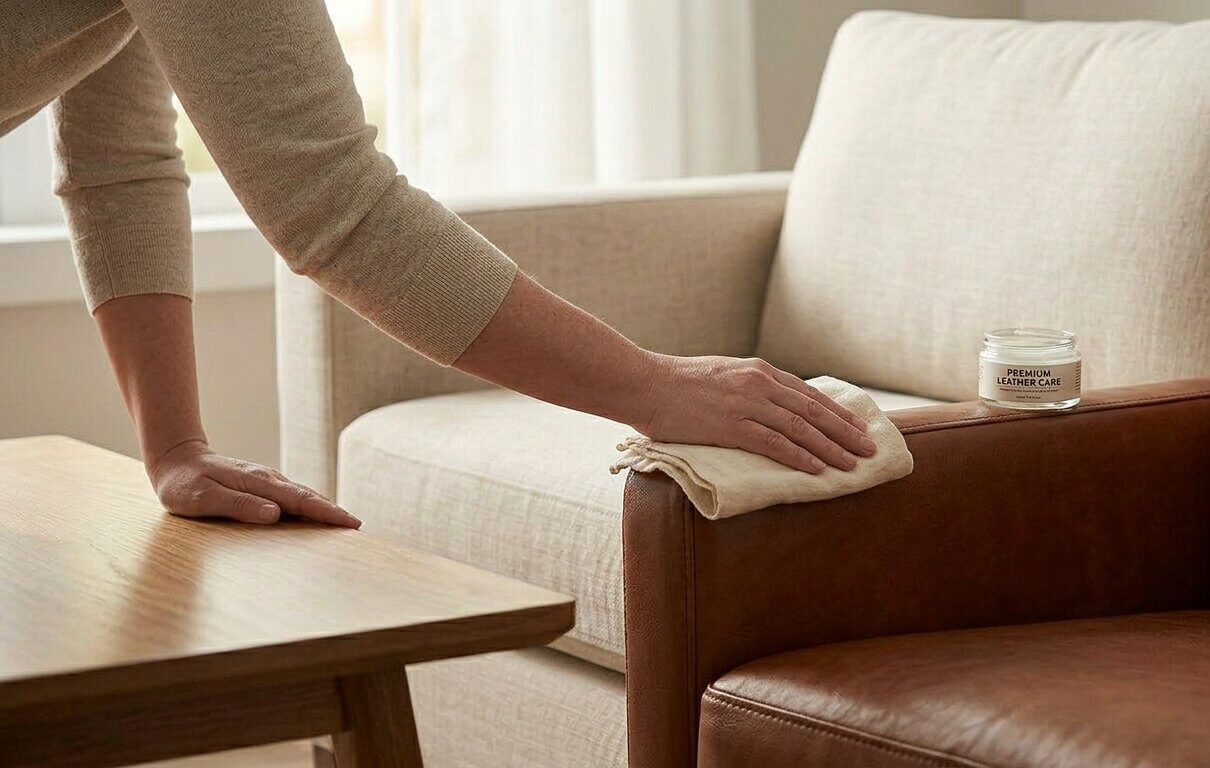
Protecting furniture with Ultra-Guard Fabric Protection in San Juan Capistrano California as part of essential preventative care
Furniture care extends beyond the surface. The internal components, such as screws, joints, and drawers, are vital to the functionality of any piece. Over time, the movement associated with daily use can loosen fasteners, leading to a loss of stability. We suggest a periodic inspection of all furnishings to tighten screws and ensure that joints remain secure.
We at Ultra-Guard Fabric Protection recommend using appropriate lubricants for items with moving parts, such as dressers or extending tables, to keep mechanisms working smoothly. This preventative effort reduces the risk of mechanical failure and extends the lifespan of the piece. By addressing minor issues through routine maintenance, we help homeowners avoid the need for significant repair work down the line.
The most effective protection often comes from simple, daily habits. We encourage the use of coasters, placemats, and furniture covers to provide an immediate barrier against heat and moisture. These simple items are the best defense against the unsightly marks left by hot coffee tables or cold drinks.
Furthermore, we suggest being mindful of how pieces are used. Avoid placing heavy weight on areas not designed to support it, and keep pets off delicate fabrics whenever possible. Our goal is to empower homeowners with the knowledge to make small changes that result in a significant difference in the appearance and condition of their home furnishings.
At Ultra-Guard Fabric Protection, we are committed to providing the expertise and products necessary to keep your home looking its best. By combining professional treatments with consistent routine care, you can ensure that your furniture remains a source of comfort and beauty for years to come. Investing time in maintenance today is the surest way to prevent the need for replacements tomorrow.
1. How long does a professional treatment last?
Most professional fabric protectors last 3 to 5 years. High-traffic pieces like family sofas may need reapplication sooner than decorative chairs to maintain the liquid-beading barrier and ensure the fibers remain fully shielded.
2. Can protection be applied to “Dry Clean Only” silk?
Yes. Professional-grade protectors are designed to bond with delicate fibers like silk or rayon without using water-based carriers that cause spotting, ensuring these sensitive materials stay stain-resistant without changing their texture.
3. Will the treatment change how my sofa feels?
No. High-quality protection works at a molecular level, coating individual fibers rather than creating a plastic film. Your furniture will retain its original softness, breathability, and “hand-feel” while remaining hidden from the naked eye.
4. Are these protective treatments safe for pets and kids?
Once dry, professional furniture protectors are non-toxic, hypoallergenic, and VOC-compliant. They are engineered to be safe for households with infants and pets, providing a clean environment without off-gassing or skin irritation.
5. Can I still use a steam cleaner on treated fabric?
Avoid DIY steam cleaning, as high heat and generic detergents can strip away the protective coating. For the best results and to preserve the treatment, use a low-moisture professional cleaning method or recommended pH-neutral spot cleaners.
6. Does protection help with “puddling” on leather?
While the blog covers conditioning, protection also helps leather fibers stay resilient. However, to prevent “puddling” or stretching, you should also rotate your cushions regularly to distribute weight and minimize localized fiber fatigue.
7. What is the best way to fix a white heat ring on wood?
If a coaster wasn’t used, a white ring indicates trapped moisture in the finish. You can often remove it by placing a dry cotton cloth over the spot and applying a warm (not hot) iron briefly to draw the moisture out of the wax or lacquer.
8. Does the treatment prevent fading from LED lights?
While the blog mentions sunlight, some professional protectors include UV inhibitors that also shield fabrics from the “yellowing” or fading caused by high-intensity indoor LED or halogen lighting over long periods of time.
9. Should I use microfiber for all dusting?
Microfiber is generally safe, but for high-gloss “piano” finishes or delicate oil-rubbed woods, use 100% cotton flannel. Some synthetic microfibers can be slightly abrasive and create tiny swirl marks on very soft, polished surfaces.
10. How do I treat a stain that has already set in?
For old stains, never scrub, as this damages the weave. Instead, use a professional-grade spotter to break down the bond. Blot from the outside in to prevent spreading, then rinse with a damp cloth to remove any remaining cleaning residue.