- By Dick Fleming on Monday, May 5th, 2025 in News. No Comments
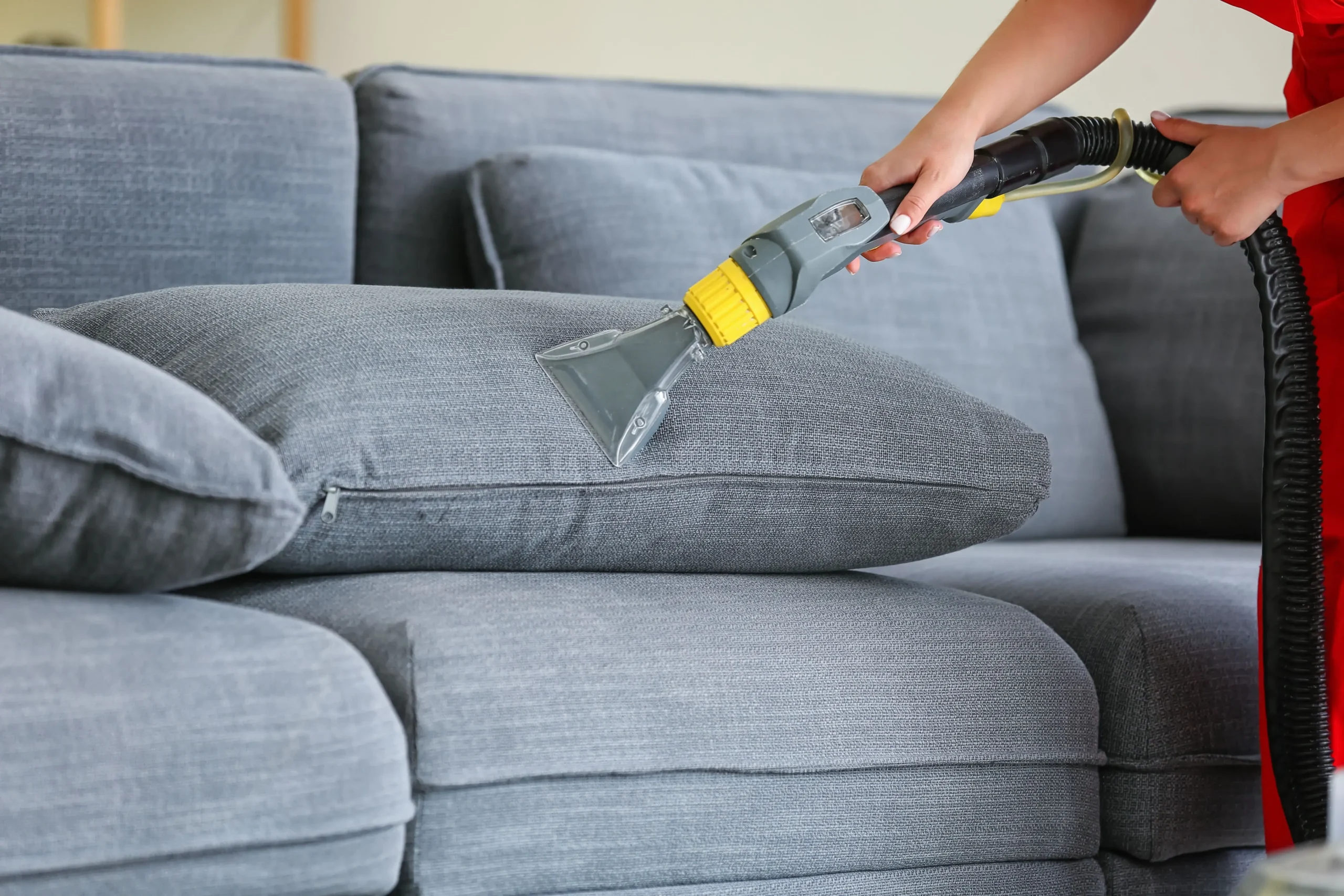
Discover how often you should clean your couch to protect the fabric, prevent staining, and keep your furniture looking its best year-round.
A couch is often the centerpiece of your living room and a favorite spot for family, friends, and even pets. Over time, however, it accumulates dust, stains, crumbs, pet hair, and odors. So, how often should you clean your couch to keep it looking fresh and in good shape? This comprehensive guide will help you understand how to maintain your couch, prevent damage, and ensure its longevity.
Several factors influence how often you should clean your couch. These include the type of material, the presence of pets or children, the amount of use it gets, and even your local environment. Let’s explore the different aspects impacting how frequently you need to clean your couch.
The material your sofa is made from significantly affects how often it needs cleaning. Sofas made of microfiber and leather, for example, may require less frequent deep cleaning compared to cloth or upholstered sofas. Leather sofas are resistant to dust but can accumulate oils and dirt on the surface, whereas microfiber fabric, although durable, can attract pet hair and debris more easily. On the other hand, natural fabrics like cotton or linen may show stains, dust, and crumbs more quickly.
If you have pets or children, you may need to clean your couch more often. Pets, especially those with fur, can leave behind pet hair and dander. Kids can spill food, drink, and dirt, which increases the likelihood of needing to clean more frequently. The amount of stains, crumbs, and spills will naturally be higher in households with these factors, so it’s important to focus on preventative measures as well.
If your couch is used for lounging daily, eating meals, or watching TV, it will accumulate dirt, oils, and other debris much faster. Even if you don’t notice stains immediately, over time, food, dust, and oils will build up in the fibers and start affecting the condition of the material.
The local environment also affects the frequency of cleaning. If you live in an area with high humidity, dust, or pollen, your couch may collect dust, allergens, and even mold. In such cases, more frequent cleaning is necessary to maintain the couch’s quality and condition.
Maintaining your couch daily doesn’t mean deep cleaning, but simple tasks can help prolong its lifespan and keep it looking fresh. Every day, a few minutes of attention can go a long way in preventing debris from building up.
A vacuum cleaner with the appropriate upholstery attachment is the best way to remove dust, pet hair, and debris from your couch. Regular vacuuming will keep crumbs, pet hair, and dust from settling into the fabric or leather.
Whenever there’s a spill, whether it’s water, food, or drink, clean it up as soon as possible. Use a clean cloth or paper towel to blot the stain. Be careful not to rub it, pushing the stain deeper into the fibers. For quick spot cleaning, dish soap mixed with water can work wonders on most stains.
To maintain the shape of your cushions, fluff them daily. This will prevent them from losing their structure over time. If your cushions have zippers, consider removing the covers and giving them a light shake to redistribute the fibers inside.
A weekly cleaning routine is essential to keeping your couch in great shape. This ensures that stains are prevented and that your couch always looks presentable.
Once a week, vacuum your entire couch, including the sides and under the cushions, which are often neglected areas. Pay attention to crumbs, pet hair, and other debris that may have gathered in the cracks.
Use a cleaning solution specific to your fabric type if you notice any spots or stains on the couch. Vinegar diluted with water or rubbing alcohol can greatly remove light stains. Always follow the instructions for your specific fabric or material to avoid damage.
To maintain a fresh scent, sprinkle baking soda over your couch and let it sit for 15–20 minutes. Afterward, vacuum it up. This will absorb odors and help sanitize the fabric.
Your couch needs a more thorough monthly cleaning to keep it in the best possible condition. While it’s unnecessary to deep clean every week, a monthly routine will help prevent buildup that could damage the material.
If your couch is made of fabric, consider using steam cleaning to penetrate deep into the fibers and sanitize the material. Steam also helps lift stains and eliminate bacteria lurking deep within the fabric.
Leather sofas require special care to avoid cracking or discoloration. To wipe down the leather, use a microfiber cloth dampened with water and a mild cleaner. For extra protection, apply a leather conditioner that helps protect and preserve the material’s quality.
If your couch has removable fabric covers, consider washing them on a gentle cycle in the washing machine. This will help remove dirt, stains, and odors. Follow the manufacturer’s instructions to ensure the fabric doesn’t shrink or fade.
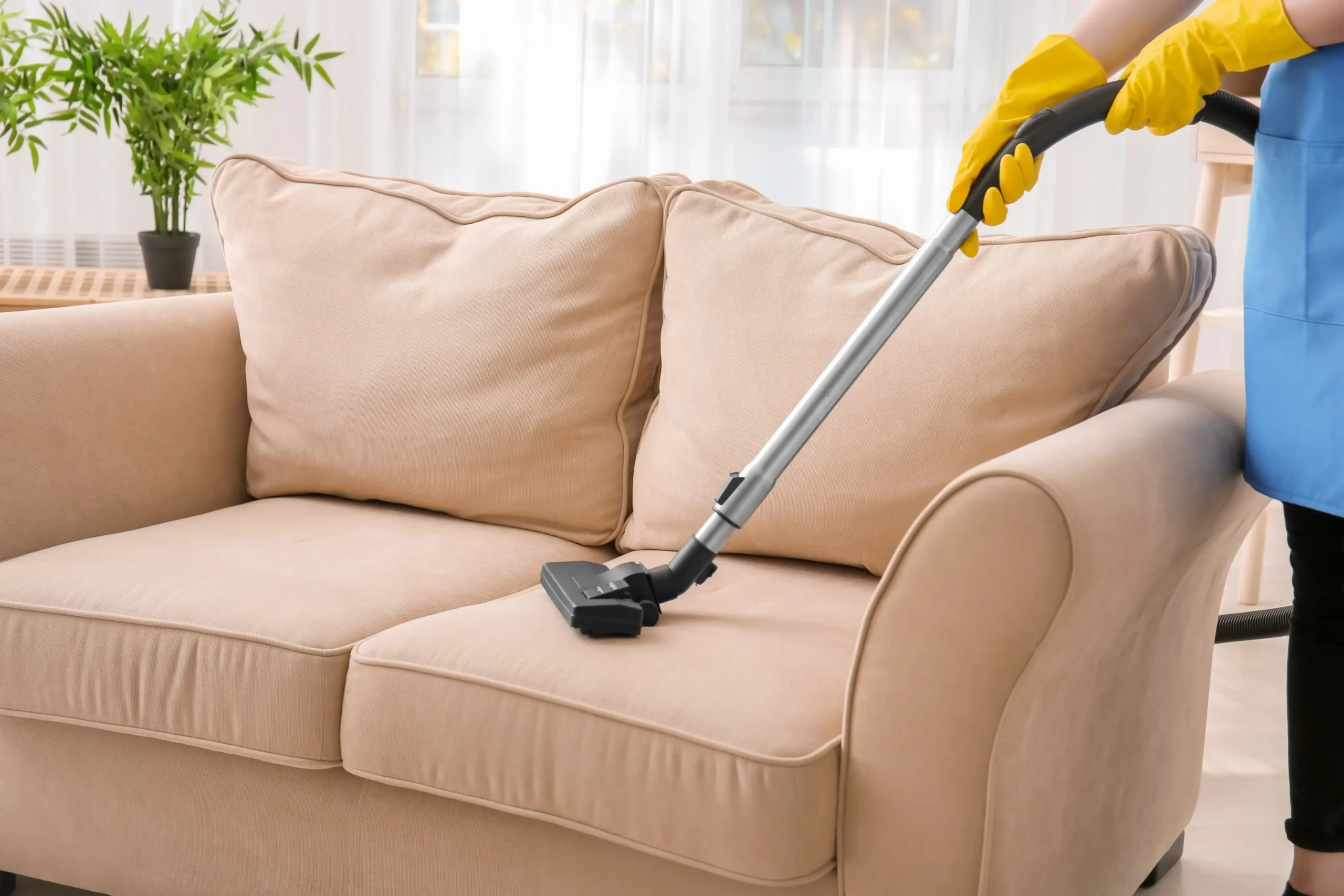
Cleaning your couch is key to preventing stains, reducing allergens, and keeping your living space fresh, comfortable, and looking like new.
No matter how well you maintain your couch, there will come a time when it needs a deep, professional clean. Professional upholstery cleaning services specialize in sanitizing, deep cleaning, and removing tough stains, bacteria, and allergens that might be lurking in the fibers.
It’s recommended that you get your couch cleaned by professionals at least once a year, especially if it’s in constant use or if you have pets and kids. The professionals use high-quality cleaning equipment that can deeply penetrate all parts of the couch, removing contaminants and ensuring a longer lifespan for your furniture.
While routine cleaning will help keep your couch in good shape, sometimes the need for a deep clean becomes more obvious. Here are some signs that it’s time to pay extra attention to your couch.
If you notice stains from food, drinks, or even pet accidents, it’s time for a deep clean. The longer stains sit, the harder they are to remove and may become permanent.
Bad odors indicate that bacteria or mold may build up in the fabric. Even with regular vacuuming, odors can settle into the fibers. If you notice an unpleasant smell, thoroughly clean your couch.
If you or your family members notice worsened allergy symptoms, they may be caused by allergens such as dust mites, pet dander, or mold that have become trapped in the fibers. A deep cleaning will help remove these allergens and freshen your home.
There are various methods to clean your couch, each tailored to the specific material or fabric. Here are some common methods:
Dry cleaning solvents are a quick and effective way to remove stains from most fabrics. They are especially useful for leather or more delicate materials.
Steam cleaning is a great option for deep cleaning fabric sofas and cushions. It helps sanitize the couch using high-temperature steam to kill bacteria, remove odors, and lift stains without harsh chemicals.
For regular maintenance, vacuuming, and spot cleaning with a mild detergent or dish soap can keep your couch looking fresh. Be sure to follow any specific instructions for the cleaning products used.
Each material requires different care. Here are some tips based on the fabric of your couch:
A few simple steps can reduce the amount of dirt that accumulates on your couch over time:
If you have pets, cleaning your couch more often is important. Pet hair, dirt, and oils can build up quickly. Here are some tips for keeping your couch pet-friendly:
By following these steps and paying close attention to the type of fabric and the amount of use your couch gets, you can extend its lifespan, keep it looking fresh, and create a cleaner, healthier environment in your home.
If you want to extend the life of your couch and keep it looking fresh, Ultra-Guard Fabric Protection is the perfect solution. Whether dealing with stains, pet hair, or daily wear, Ultra-Guard offers a high-quality protective treatment that creates a barrier against dirt, oils, and spills, making cleaning and maintaining your furniture easier. With Ultra-Guard, you don’t just clean your couch—you protect it for the long haul.
Ready to preserve the beauty and integrity of your furniture? Contact Ultra-Guard today for a quote and discover how our fabric protection can help maintain your couch’s look and condition for years. Don’t wait—contact us now and give your couch the protection it deserves!
How often should I vacuum my couch?
Vacuuming your couch is an essential step in maintaining its look and preserving the fabric’s life. If your couch gets a lot of use, or if you have pets that shed hair, it’s recommended to vacuum it at least once a week. In fact, frequent vacuuming helps prevent dust, debris, and pet hair from accumulating, which can degrade the fabric over time. Regular cleanings ensure that your couch stays fresh and free of allergens, extending the life of the material.
What signs indicate my couch needs cleaning?
There are several signs that your couch may need cleaning. If you notice visible staining, unpleasant odors, or pet hair accumulating on the cushions, it’s likely time to clean. The range of stains—from food spills to pet accidents—may affect the look and condition of your couch. In fact, addressing stains early can prevent them from setting and help preserve the life of the fabric. If your couch is starting to look flat or saggy, that may also indicate that it’s time for a deeper cleaning to restore its shape.
Should I clean my couch more frequently if I have pets?
Yes, if you have pets, your couch will likely need more frequent cleanings. Pet hair, dander, and even the occasional spill can accumulate quickly, affecting the look and the life of your couch. Pet owners may need to clean their couches more often than others to address the extra staining and hair. Regular vacuuming and prompt spot cleaning can help maintain the fabric’s quality and reduce allergens, keeping your couch in great shape.
How can I tell if my couch fabric needs washing?
The types of fabrics used on your couch can determine the frequency of cleaning. If your couch feels sticky, smells musty, or has noticeable stains, these are signs that it might need a wash. Certain materials, like microfiber, are prone to absorbing stains and oils, which can affect the fabric’s look and lifespan. Always follow the manufacturer’s instructions to prevent damage, as different materials require different cleaning methods.
Is monthly cleaning enough for a frequently used couch?
For a couch that gets a lot of use, monthly cleaning may not be enough. If your couch is exposed to spills, stains, or pet hair regularly, you might need to clean it more often. In fact, frequent cleanings will help preserve the life of the fabric and maintain its look. If you’re dealing with a high-traffic area, consider increasing the cleaning frequency to ensure that dirt and debris don’t have a chance to settle deep into the fibers, which could cause damage over time.
Can spills affect how often I should clean my couch?
Yes, spills can absolutely impact how often you should clean your couch. If you spill liquids or food, they can lead to staining or odors if not cleaned promptly. The range of spills—whether it’s coffee, wine, or even pet accidents—can affect the look of your couch and potentially cause long-term damage. Cleaning up spills right away is crucial to preventing stains from setting in. The more frequently your couch experiences spills, the more often you may need to clean it to maintain its life and condition.
Do different couch materials require different cleaning frequencies?
Absolutely. Different types of couch materials require different levels of attention and cleaning frequency. For instance, leather couches may need less frequent cleaning but should be conditioned regularly to avoid cracks or dryness. On the other hand, fabric sofas, especially those made of microfiber or upholstery, may require more regular cleaning due to their tendency to absorb stains, dust, and pet hair. The cleaning methods and frequency will vary depending on the range of materials. Still, one common factor is that cleanings should be done regularly to protect your couch’s durability and look.