- By Dick Fleming on Friday, March 13th, 2026 in Stain Removal. No Comments
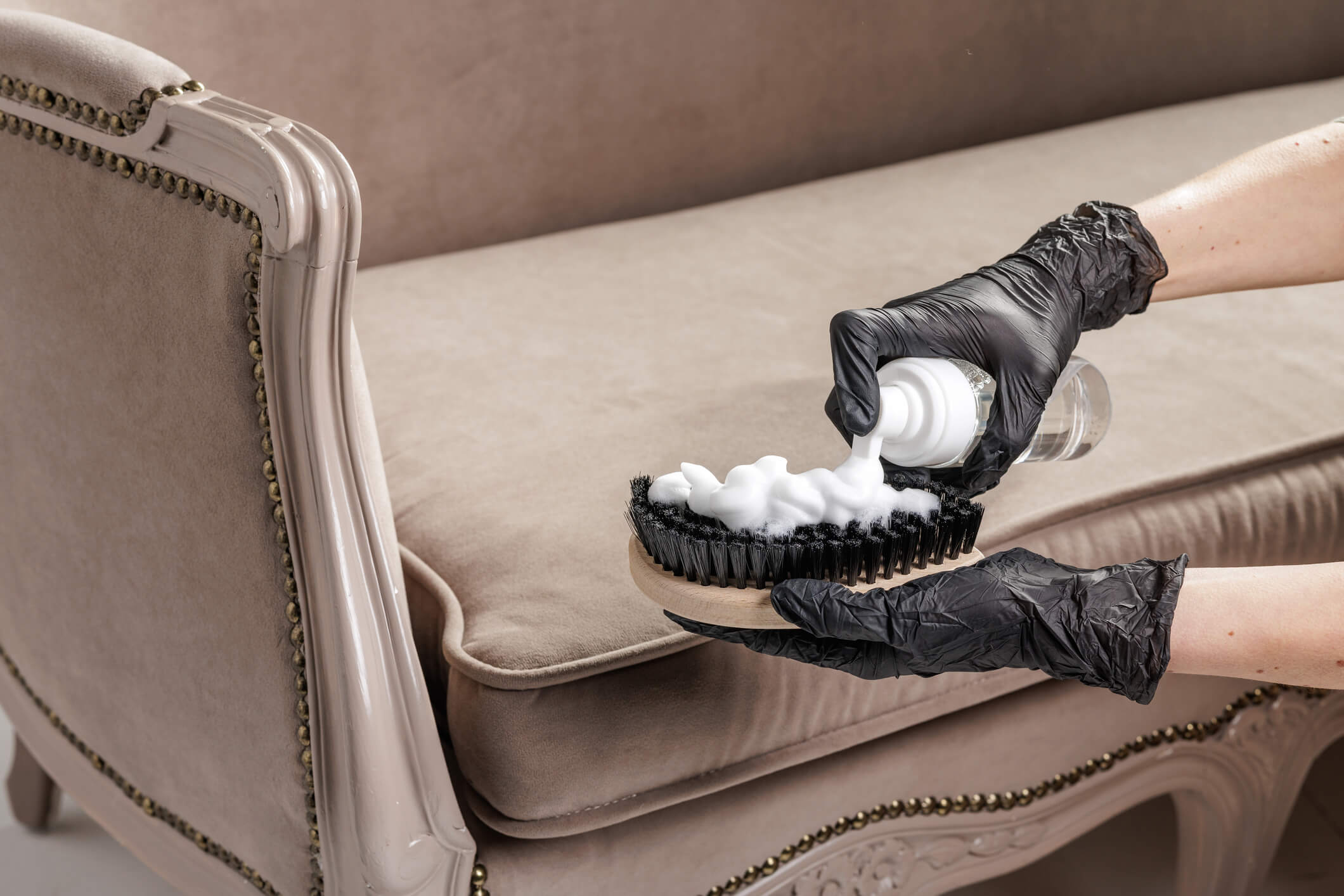
Discover the quickest way to erase stains using Ultra-Guard Fabric Protection for homeowners in San Juan Capistrano California.
Dealing with stains on your favorite garments can be both frustrating and stressful. Whether it’s tomato sauce on a shirt, grease on jeans, or ink on a blouse, stains can appear in an instant and make you worry about permanent damage to your fabrics. Using the top techniques and proven ways to treat each stain type effectively can make all the difference. Understanding the item you’re working with and applying safe solutions like enzymes, mild ammonia, or other cleaning products helps restore your clothes to their clean, vibrant state.
Some stains require a simple soak in a carefully prepared solution, while others need a more precise technique to lift stubborn residue without harming the fibers. Throughout this guide, we’ll share step-by-step instructions, practical tips, and expert methods for treating all types of fabrics—so you can maintain the color, texture, and quality of your clothing while confidently removing stains.
The first step in effective stain removal is understanding what type of stain you’re dealing with and the best way to approach it. Different substances—such as grease, blood, wine, ink, or mud—react differently to cleaning agents, so gathering accurate information about the problem is essential. We also recommend checking the care label or page of the garment for instructions, paying close attention to dyes, fiber type, and delicate areas like the collar. Knowing which ingredients in cleaning solutions are safe allows you to apply drops of detergent, ammonia, or other stain removers without risking damage or discoloration.
By identifying the stain type and fabric characteristics, you can select the most suitable method while protecting the garment’s rights to colorfastness and fiber integrity. For instance, grease stains often respond well to dish soap or a baking soda paste, whereas ink or nail polish may require acetone-based solutions or alcohol. Understanding these nuances ensures your fabrics maintain their original appearance while effectively removing stains.
Before applying any cleaning solution, we always advise preparing the garment and surrounding area carefully. Lay the fabric flat on a clean surface, and place paper towels or a cloth beneath the stained area to absorb excess liquid. Remove solids like chocolate, mud, or wax using a spoon, knife, or dull edge, taking care to avoid spreading the stain. This step is especially important for delicate fabrics like triacetate, silk, or wool, which can be sensitive to rough handling. Some foods may leave a glycerin-based residue that requires extra attention, so identifying the number and type of solids present on the item is an important part of preparation.
Blot the stain with a clean paper towel or cloth instead of rubbing, which can push the stain deeper into the fibers. For liquid stains such as juice, coffee, or wine, gently absorb the excess with a cloth, working from the outer edge toward the center to prevent enlargement of the stain. Always consider the recommended temperatures for the fabric when handling liquids, as heat can set certain stains permanently. Choosing the right approach for each of these ones ensures the most effective removal without damaging your clothing.
Pre-treatment is a critical step in stain removal, and selecting the right approach depends on the type of stain and the fabric. We suggest using a combination of laundry detergent, dish soap, or specialized stain removers depending on the stain’s nature. For protein-based stains like blood, ice water and enzyme detergent work best. Red wine, tomato sauce, or ketchup stains can benefit from a solution of water and vinegar. Even outdoor things like grass stains require targeted pre-treatment to lift the pigment without damaging the fibers.
For grease or oil, applying a paste made from baking soda or cornstarch can help absorb the substance. Allow the pre-treatment solution to sit for at least 10 to 15 minutes, but always check the garment’s care label for recommended contact times to prevent damage. Treating each stain properly ensures that your fabrics maintain their color, texture, and overall quality.
We recommend starting with cold water for most stains, especially protein-based stains like blood, milk, or eggs. Hot water can set these stains permanently. Run cold water through the back of the stain to push it out of the fibers rather than deeper into the garment.
Once the stain begins to lift, a gentle rub with a sponge, cloth, or soft brush can further loosen residues. For stubborn stains, repeat the cold-water rinse and pre-treatment until the stain lightens.
Enzyme detergents are particularly effective against stains containing proteins, such as blood, sweat, or dairy. We advise applying the enzyme detergent directly to the stain and gently working it into the fabric using a soft brush or fingers. Let the garment sit for the time specified in the product directions before washing.
For blood stains, use cold water and avoid hot water to maintain colorfastness. If the stain persists, a second treatment with a mixture of hydrogen peroxide and mild detergent can often remove residual discoloration.
Grease, oil, or butter stains require a different approach. We suggest sprinkling baking soda, cornstarch, or talc on the stain to absorb excess oil. Let the absorbent sit for 15–30 minutes, then brush off the powder carefully.
Follow up with a small amount of dish soap or laundry detergent applied directly to the grease spot. Gently scrub with a sponge or cloth and rinse with cold water. For tougher stains, we sometimes recommend repeating the process or using a stain remover specifically designed for oily substances.
Ink stains, whether from pens or markers, can be tricky to handle, especially on furniture. Removing ink stains from a couch requires careful attention: start by blotting excess ink with a paper towel, then gently apply rubbing alcohol or acetone on a cotton ball or cloth. Always test the solution on an inconspicuous area first to ensure it does not damage the upholstery fibers.
Nail polish stains respond best to nail polish remover containing acetone. Blot gently, avoiding rubbing, and place a cloth or paper towel underneath the stain to absorb excess liquid. For both ink and nail polish, repeat the treatment if necessary, and for removable covers, follow up with a normal wash cycle to remove any remaining residue.
Food stains like chocolate, ice cream, ketchup, or tomato sauce can leave a significant mark on clothing. We advise removing any solids with a spoon and blotting excess liquid with a paper towel. For tomato-based stains, mix a solution of cold water and a tablespoon of vinegar or baking soda.
Gently blot or sponge the stain with the solution, then rinse with cold water. For persistent stains, pre-treat with enzyme detergent before washing. Always avoid using hot water initially, as heat can set the stain into the fibers permanently.
We know red wine, coffee, and juice stains are common and alarming. Immediate attention is crucial. Blot the stain with a paper towel to absorb excess liquid, then sprinkle salt over the area to prevent spreading.
For coffee or juice, a mixture of cold water and dish soap can help lift the stain. For red wine, apply a paste made from baking soda or a small amount of white vinegar. Allow the solution to sit, then rinse thoroughly with cold water. We caution against drying the garment in a dryer until the stain is completely removed, as heat can set the stain permanently.
Mud and dirt stains can damage fabrics if treated incorrectly. Let mud dry completely before brushing off the excess solids. Once dry, we suggest applying a mild detergent solution to the remaining stain, gently scrubbing with a soft brush, and rinsing with cold water.
For stubborn stains, repeat the process and consider soaking the garment in water with a small amount of laundry detergent. Avoid hot water initially to prevent setting the stain and always check the care label for fabric-specific recommendations.
Bleach and hydrogen peroxide are powerful solutions for certain stains, but they require caution. Chlorine bleach can remove stubborn stains from colorfast cotton or white garments, but it may damage wool, silk, acetate, or dyed fabrics. Hydrogen peroxide works well on blood stains or discoloration without harsh fumes.
We recommend diluting bleach according to the instructions and using a cup or measured portion for the solution. Apply directly to the stain, let it sit briefly, then rinse thoroughly. Always wear gloves and work in a well-ventilated area to avoid chemical exposure.
Wax, crayon, and paint stains need gentle, specialized approaches. For wax, we suggest placing a paper towel over the stain and using a warm iron to melt the wax onto the towel. Crayon stains can be treated by gently scraping off excess solids and applying dish soap or enzyme detergent.
Paint stains, especially water-based paints, respond well to cold water rinses and dish soap. For dried or oil-based paints, a dry-cleaning solvent or acetone may be required. We advise caution with these strong solvents, testing on a hidden area first.
Cooking-related stains like oil, butter, and grease can be stubborn. Sprinkle an absorbent powder such as baking soda or salt on the stain and let it sit. Then pre-treat with dish soap or laundry detergent, gently working it into the fibers with a sponge.
Rinse with cold water and repeat if necessary. For delicate fabrics, consider a gentle wash cycle or using a specialized stain remover to avoid fiber damage.
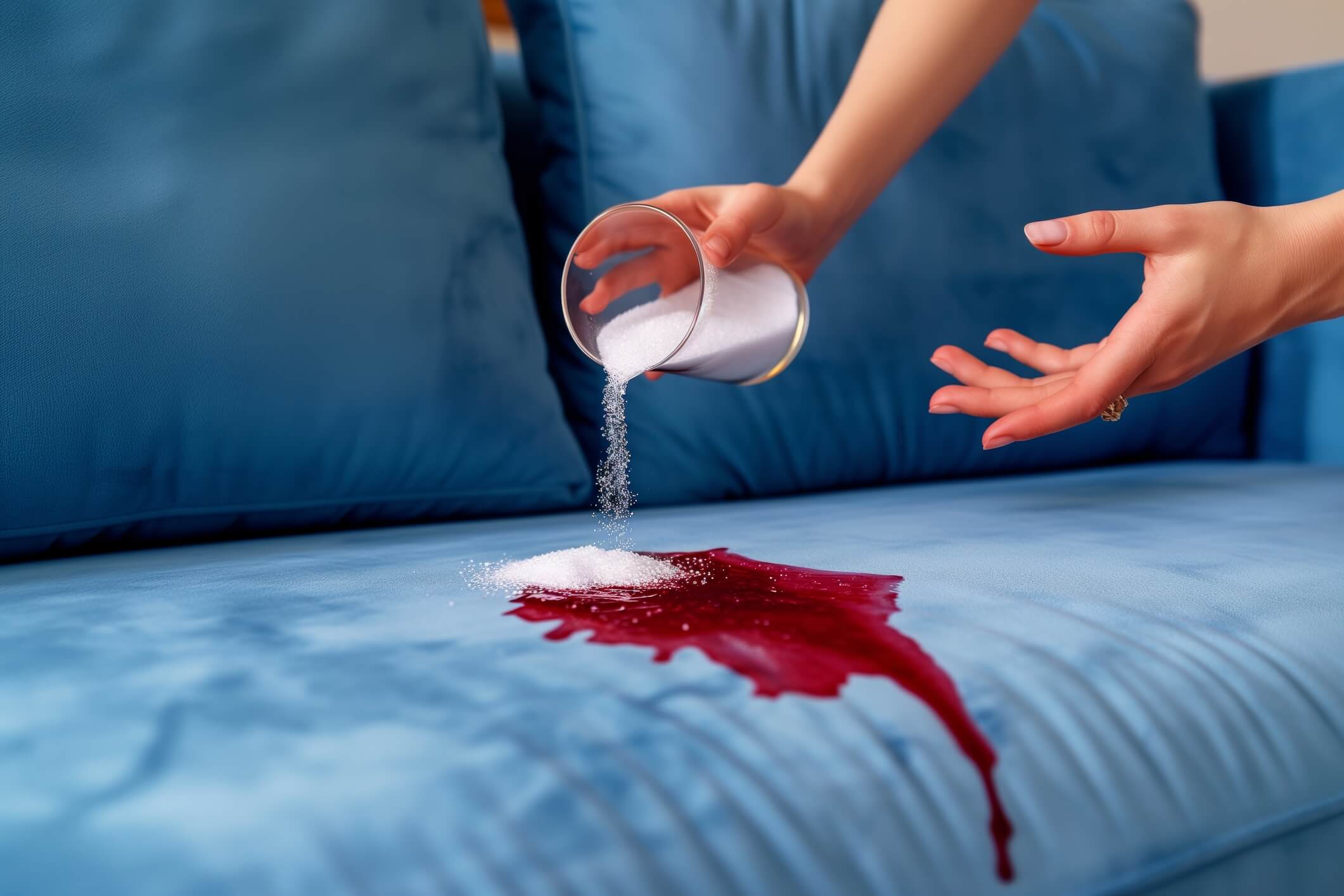
Keep your upholstery looking new with Ultra-Guard Fabric Protection and our San Juan Capistrano expert cleaning tips.
Blood and protein stains require immediate cold water treatment. Apply cold water directly to the stain, blotting with a cloth or paper towel. Pre-treat with an enzyme detergent to break down proteins, then rinse thoroughly.
For stubborn blood stains, hydrogen peroxide can be used in small amounts, applied carefully to the affected area. Avoid hot water, which sets the stain permanently.
When using solutions like vinegar, bleach, or hydrogen peroxide, we always emphasize testing on a hidden area first to check colorfastness. Some fabrics may fade or discolor when exposed to strong chemicals, so patience and careful observation are key.
We suggest limiting the use of chlorine bleach to whites and using oxygen-based bleach alternatives for colored fabrics. Following the garment’s care label ensures long-term preservation of colors and fibers.
After treating stains, wash garments according to their care instructions. Cold or warm water is preferred for most stains, while hot water may be suitable for certain oil-based stains or cotton items. Use the recommended amount of laundry detergent and select the appropriate washer cycle to avoid damage.
Rinse thoroughly to remove all residues of detergents, cleaning solutions, and pre-treatment agents. Avoid placing garments in the dryer until you are confident that the stain is completely gone, as heat can set remaining stains permanently.
Drying can either finalize your stain removal efforts or undo them if not done carefully. We recommend air-drying treated garments or using a low-temperature dryer setting. For delicate fabrics like silk, wool, or acetate, air drying flat on a clean towel is best.
Check each garment after drying to ensure no residual stains remain. If necessary, repeat treatment steps before applying heat from the dryer or iron.
Regular maintenance of clothing and upholstery helps prevent stains from becoming permanent problems. Using fabric protectors, promptly treating spills, and following proper washing or cleaning methods all contribute to long-lasting fabric quality. Being aware of the most common upholstery stains—such as wine, grease, ink, and pet accidents—allows you to act quickly and protect both garments and furniture.
We encourage our customers to keep essential supplies on hand: paper towels, cloths, brushes, baking soda, vinegar, dish soap, enzyme detergents, and gentle stain removers. Preparedness makes stain treatment faster, safer, and more effective, whether you are dealing with clothing items or upholstered surfaces.
We always advise caution when handling chemical solutions. Work in well-ventilated areas, wear gloves when using bleach, acetone, or hydrogen peroxide, and avoid mixing cleaning products that could release harmful fumes.
Dispose of residues and excess solutions responsibly. Our goal is to provide effective stain removal methods without compromising safety for your family, your garments, or the environment.
At Ultra-Guard Fabric Protection, we believe that proper stain removal is both an art and a science. By identifying stain types, using the right solutions, and following step-by-step methods, you can restore almost any garment. Patience, careful observation, and adherence to care labels ensure that your fabrics remain vibrant, intact, and long-lasting.
Our guide provides actionable, professional, and reliable techniques for all types of stains. With the right knowledge, tools, and products, your clothes, shirts, jeans, and delicate fabrics can withstand daily spills and accidents, maintaining their color, fibers, and overall quality.
Can Stains Be Removed From Delicate Fabrics Like Silk or Wool Without Damage?
Yes, delicate fabrics require gentle solutions and low-temperature water to avoid fiber damage. Using enzyme detergents or a mild soap and careful blotting ensures the stain lifts while maintaining the fabric’s color and texture.
What Is the Best Way to Treat Old or Set-In Stains?
Old stains often need repeated pre-treat steps and targeted solutions like hydrogen peroxide or specialized stain remover. Soaking the garment and gently working the solution into the affected area helps lift stubborn residues without harming fibers.
Are There Natural or Eco-Friendly Alternatives to Chemical Stain Removers?
Yes, ingredients like vinegar, baking soda, or mild dish soap can effectively remove many types of stains. These natural solutions work well on both clothes and other fabrics while reducing exposure to harsh chemicals.
How Can I Prevent Stains From Setting During the Wash or Dryer Cycle?
Always pre-treat stains and rinse with cold water before placing garments in the washer. Avoid using a dryer until the stain is fully removed, as heat can permanently set residues into fibers.
Is It Safe to Mix Bleach With Other Cleaning Products for Tough Stains?
No, mixing chlorine bleach with ammonia or other chemicals can release harmful fumes. Use one solution at a time and follow product directions to protect both your health and your fabrics.
What Are the Most Effective Stain Removal Methods for Colored Fabrics?
Colored fabrics respond best to gentle enzyme detergents or oxygen-based bleach alternatives. Always test the solution on a hidden area first to prevent discoloration or damage to dyes.
Can I Use Stain Removal Techniques on Upholstery or Non-Clothing Fabrics?
Yes, many methods like blotting, enzyme detergents, or baking soda paste can work on upholstery or fabric-covered furniture. Treat small sections first to ensure no residue or damage occurs.
How Long Should I Soak a Garment for Maximum Stain Removal?
Most stains respond well to a soak of 15–30 minutes, depending on the type of stain and fabric. For stubborn or old stains, repeating the soaking step can increase effectiveness without harming fibers.
Are There Specific Products That Work Best for Multi-Part or Mixed Stains (e.g., Grease + Sauce)?
Yes, enzyme detergents combined with a gentle dish soap or pre-treatment paste can target both protein-based and oily stains. Applying solutions in layers and following step-by-step methods ensures all components lift effectively.
How Can I Remove Stains Without Affecting the Garment’s Original Dyes or Patterns?
Always check the garment’s care label and test your solution on a hidden area first. Using gentle techniques, cold water, and non-chlorine detergents helps preserve colors and prevent fiber damage.