- By Dick Fleming on Thursday, March 5th, 2026 in News. No Comments

Ultra-Guard Fabric Protection shows techniques to clean and condition a leather couch in San Juan Capistrano California to maintain appearance
Leather couches are an investment in comfort, style, and elegance for your living room. At Ultra-Guard Fabric Protection, we understand the importance of maintaining the pristine appearance of leather furniture. Leather surfaces are durable, but they require careful care to preserve their texture, shine, and longevity. Following the manufacturer’s instructions for each item ensures the best results. With the right cleaning method, towels, and microfiber cloths, we can wipe away dust, polish the surface, and care for every piece of the sofa. By attending to all parts, including small creases and cushions, we help you keep your leather sofa looking beautiful while minimizing damage from spills, oils, dust, and everyday wear.
In this guide, we share our proven steps for cleaning leather couches, protecting against stains, and maintaining the condition of all types of leather furniture. We provide practical tips, tools, and solutions that are safe for different leather types, including aniline leather, nubuck, and suede, so every piece of your sofa receives proper attention.
Before beginning any cleaning process, we ensure the leather surface is ready. Our first step is to remove loose debris, crumbs, and hair from the leather couch. Using a vacuum with a brush attachment or a soft microfiber cloth, we gently clean the seams, creases, and crevices to prevent dirt from scratching the leather during cleaning.
We pay attention to the entire sofa, including pillows, cushions, and the underside of all pieces. For minor stains, we often mix a few drops of a gentle leather cleaner in a small bowl and test on one inconspicuous area first, following manufacturer instructions. Using a soft towel or microfiber cloth, we apply the solution carefully, ensuring all pieces are treated. Removing accessories or blankets beforehand helps us access every area and ensures a thorough cleaning. This careful preparation makes a noticeable difference in preserving the leather’s natural shine and texture while preventing damage from dust and grime buildup.
The next step in our cleaning process is selecting the best leather cleaners, conditioners, and tools. We recommend using a cleaner specifically designed for leather to prevent damage from harsh chemicals. Avoid ammonia, bleach, and household soaps that may strip oils, remove dye, or cause discoloration.
For our cleaning routine, we use:
Soft microfiber cloths for wiping and buffing
Gentle leather cleaner or a mild soap solution made from safe ingredients
Leather conditioner to restore moisture and shine
Cotton swabs for delicate areas or seams
Soft brushes for textured surfaces or aniline leather
We also test any new product on a small, inconspicuous area first to check for spots or discoloration, using gentle motion and applying just a bit of solution. Following manufacturer instructions ensures the best result and prevents tear or damage to the leather. By taking care of everything carefully, including window-exposed areas, we protect the sofa’s color and texture while preserving its overall appearance.
We begin every cleaning session by removing surface dust, debris, and light grime. Using a microfiber cloth or a vacuum with a soft brush attachment, we gently work over the leather, following the natural grain of the material. This step reduces the risk of scratching the leather during further cleaning and prevents dirt from being pushed into cracks, creases, or hidden sections.
Attention to detail is crucial. Dust may seem harmless, but it can accumulate in seams, layers, and crevices, creating scratches over time. We also remove shoes, accessories, and other items that could leave residue on the sofa and use protective barriers to prevent spills from people or pets. Regular dusting maintains the sofa’s smooth appearance, prepares it for deeper cleaning, and ensures that the rest of the leather surface stays in top condition. For powders, cleaning supplies, or other treatments, we always have everything we need on hand and address any questions about proper use before beginning.
When liquids like coffee, wine, or water spill on leather, we act quickly to minimize staining. Using a soft, absorbent cloth, we gently blot the area without rubbing, which could spread the liquid or embed it deeper into the leather. For oil-based stains, such as grease or food oils, we apply a small amount of cornstarch or baking soda to absorb excess oil, letting it sit for several hours before brushing away residue.
Prompt action is the best way to protect leather surfaces. Quick attention prevents permanent stains and maintains the sofa’s finish, color, and texture.
Leather couches are often exposed to oils from skin, hair, or clothing. For grease or oil stains, we use a gentle leather cleaner applied with a microfiber cloth. Patting the area lightly helps lift the stain without spreading it.
When removing ink stains from a couch, careful treatment is essential. We use a cotton swab dipped in a small amount of rubbing alcohol, lightly dabbing the ink spot to lift it without damaging the leather. Excess pressure can harm the surface or remove its natural color, so patience is key. Afterward, we condition the area to restore moisture and maintain a soft, supple texture.
When cleaning leather, the way we move the cloth matters as much as the cleaning solution. Circular, gentle motions follow the leather grain and help lift dirt and oils without scratching. Abrasive scrubbing can create micro-scratches, remove the finish, or cause discoloration.
For textured or aniline leather, we pay extra attention to the grain and avoid excessive pressure. Softer motions also help evenly distribute leather cleaner and conditioner, resulting in a uniform shine and finish.
Leather requires proper moisture to prevent drying, cracking, or fading. After cleaning, we apply a high-quality leather conditioner to nourish the material. Conditioning leather maintains its suppleness, enhances the patina, and protects against everyday wear.
We recommend conditioning leather couches every 6 to 12 months, depending on use and environmental factors like heat sources or direct sunlight. Regular conditioning helps preserve the leather’s natural oils and prolongs the sofa’s life as an investment in your home.
Water and harsh chemicals can damage leather if not used correctly. We never saturate the leather surface with liquid or use bleach, ammonia, or general-purpose cleaners. Excess moisture can lead to discoloration, mildew, or deterioration, especially in delicate leather types like aniline or nubuck.
Instead, we use a minimal amount of cleaning solution, applied sparingly with a soft cloth. This approach ensures we remove dirt and stains without compromising the integrity of the leather.
Leather is sensitive to environmental exposure. Direct sunlight, radiators, fireplaces, and other heat sources can dry out leather and cause fading, cracks, or shrinkage. As part of our indoor furniture cleaning routine, we place sofas away from windows or use curtains and blinds to minimize prolonged exposure.
We also rotate cushions and accessories periodically to ensure even wear and avoid pressure marks. This small habit significantly enhances the appearance and durability of leather furniture and helps maintain the results of regular indoor furniture cleaning.
A consistent leather cleaning routine is essential for maintaining a sofa’s look and feel. We combine dusting, vacuuming, spot treatment, and conditioning in a regular schedule to protect our leather couches.
For example, we vacuum crumbs and dust weekly, address spills immediately, and condition every few months. Routine care prevents buildup of dirt, oils, and grime, keeping the leather soft, smooth, and resilient.
Sometimes, household products like mild dish soap or vinegar can serve as temporary alternatives when a leather cleaner is not available. We always dilute these solutions and test them on a hidden area first.
A small amount of soap mixed with water can help remove light stains or surface dirt. Vinegar diluted with water is useful for mild cleaning but requires immediate conditioning afterward to restore moisture. These alternatives should be used sparingly and never replace dedicated leather care products for long-term maintenance.
Leather couches often accumulate crumbs, hair, and dust from everyday use. We use a vacuum with a brush attachment or a microfiber cloth to clean these particles from seams, cushions, and under pillows.
Removing debris regularly prevents scratching and maintains a smooth leather surface. For homes with pets, we pay extra attention to hair buildup, which can embed in textured leather and reduce the sofa’s appearance over time.
In humid environments, leather can develop mold or mildew. We address these issues promptly with a gentle solution, such as diluted vinegar applied with a soft cloth, followed by thorough drying and conditioning.
We avoid bleach or harsh chemicals, which can cause irreversible damage. Preventing moisture buildup and ensuring proper air circulation are critical steps in protecting leather sofas from mold and discoloration.
Leather sofas are prone to scratches from pets, clothing, or sharp objects. We encourage using leather-friendly accessories, keeping sharp items away, and trimming pet nails regularly.
Buffing minor scratches with a leather conditioner or cream can reduce visibility and restore shine. By protecting the leather from scratches and wear, we maintain its elegance and increase the sofa’s lifespan.
Leather comes in various types, including aniline, semi-aniline, nubuck, and suede. Each type requires a tailored approach:
Aniline Leather: Requires gentle cleaning with specialized leather cleaners and careful conditioning. Avoid water or harsh chemicals.
Semi-Aniline Leather: Can tolerate mild cleaning solutions but still benefits from regular conditioning.
Nubuck and Suede: Use brushes designed for these textures, avoid liquids, and treat stains with powders like cornstarch or baking soda.
By respecting the leather type, we prevent damage and preserve the natural look and texture of the sofa.
We recommend protective measures for high-use areas. Using sofa covers, throws, or leather-friendly barriers can prevent accidental spills, oils, or staining from reaching the surface.
Regular rotation of covers and accessories, combined with proper cleaning habits, keeps leather couches in excellent condition while maintaining the style and comfort of your living space.
Leather conditioner is essential for restoring oils, maintaining softness, and enhancing shine. We apply conditioner in a thin, even layer, massaging it gently into the surface with a microfiber cloth.
After allowing the conditioner to absorb, we buff the leather lightly to enhance its finish. This process prevents dryness, cracks, and dullness, giving your sofa a healthy, polished appearance.
For ink marks, food stains, or spills, we act immediately. Blotting with a microfiber cloth, using appropriate leather cleaners, and following up with conditioning ensures the stain does not set.
For tougher stains, we may use household powders, mild alcohol solutions, or professional leather cleaners as needed. Timely intervention and correct methods prevent permanent damage and preserve the leather’s natural beauty.
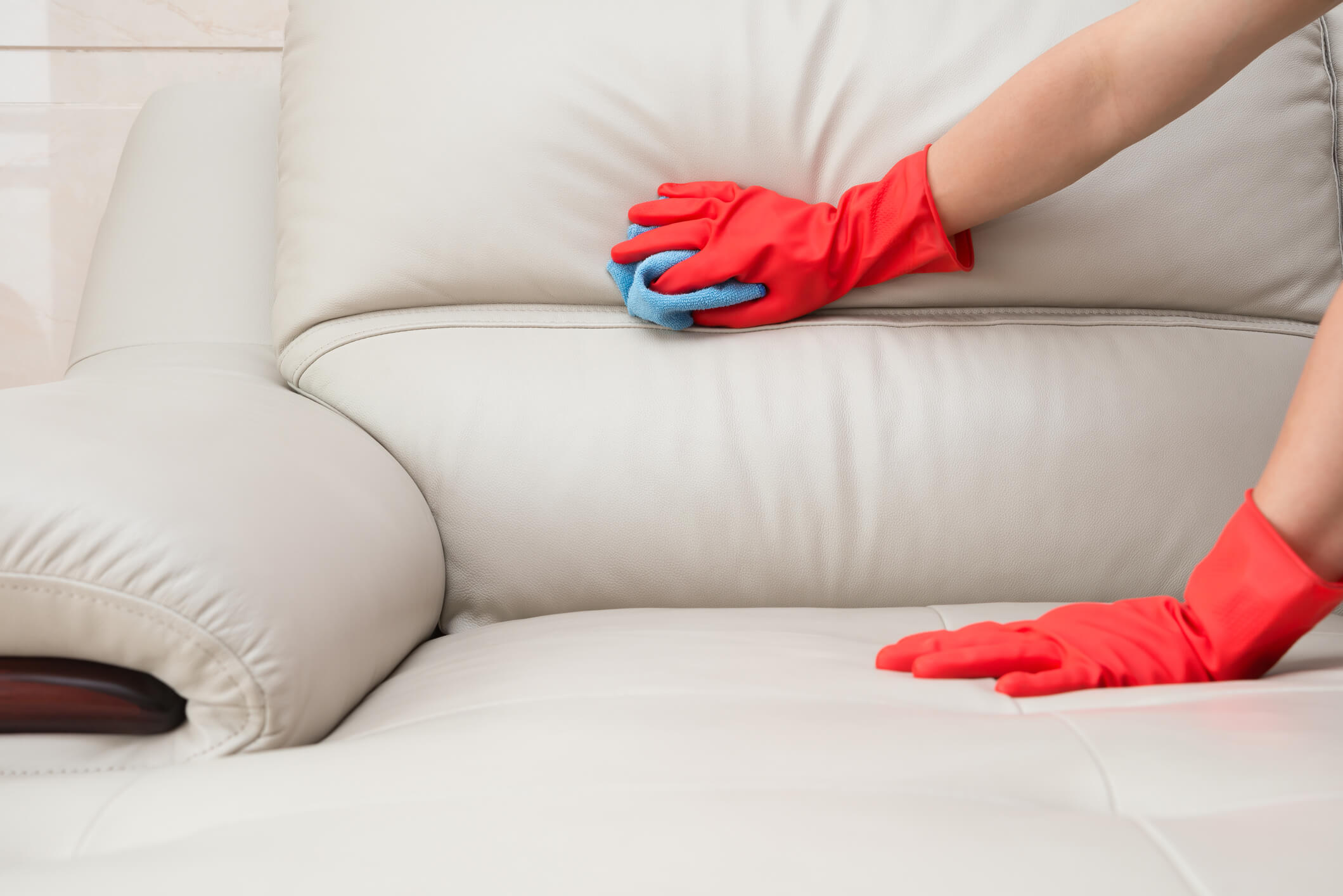
Ultra-Guard Fabric Protection demonstrates professional methods to clean a leather couch in San Juan Capistrano California for stain free results
At Ultra-Guard Fabric Protection, we treat cushions, pillows, and nearby upholstery as part of our overall leather care process. Our cleaning routines include dusting, vacuuming, and spot treatment of these items to prevent cross-contamination of dirt, oils, or spills.
By taking proper care of all furniture materials, we enhance the longevity of the sofa and create a cohesive, polished look for any living space, ensuring that every piece maintains its elegance and durability.
Many common mistakes can reduce the lifespan of leather furniture:
Using excessive water or harsh chemicals
Scrubbing too aggressively
Ignoring spills or stains
Failing to condition regularly
Exposing leather to direct sunlight or heat
We educate ourselves and others on proper care to avoid these pitfalls, ensuring leather sofas remain beautiful and durable for years.
Some stains, scratches, or damage may require professional attention. Leather experts can restore color, repair tears, and address severe stains safely. We recognize when professional help is necessary, especially for valuable or aniline leather furniture.
Investing in professional care alongside routine maintenance maximizes the life and appearance of our leather sofas, making the most of this long-term home investment.
A leather sofa is more than a piece of furniture; it is an expression of comfort, style, and sophistication. By following our cleaning, conditioning, and maintenance steps, we protect our investment, preserve the finish, and maintain the luxurious feel of the leather.
With consistent attention, safe cleaning methods, and preventive habits, leather couches can remain a centerpiece of any living room for decades, offering both beauty and functionality.
At Ultra-Guard Fabric Protection, we are committed to helping you achieve a spotless, protected, and long-lasting leather sofa. From removing spills and stains to conditioning and safeguarding against environmental damage, our approach ensures that every piece of leather furniture maintains its elegance, shine, and durability.
Can I use a steam cleaner on a leather couch?
Leather is sensitive to heat and moisture, and using a steam cleaner can cause cracks, shrinkage, or discoloration. Gentle cleaning with a microfiber cloth and leather-safe solutions is recommended to protect the surface.
How do I remove pet odors from a leather sofa?
Pet odors can settle into the leather if not addressed promptly, so gently wiping the surface with a damp microfiber cloth and a small amount of leather-safe cleaner is effective. Applying a conditioner afterward restores moisture and maintains the sofa’s softness and natural shine.
Is it safe to use essential oils or homemade cleaners on leather?
Essential oils or homemade solutions often contain ingredients that can strip natural oils, alter dye, or leave residue on the leather. Testing any new solution on a hidden area first is important, and products specifically formulated for leather are preferred.
How do I restore faded areas on a leather couch?
Faded areas can be treated with a leather conditioner or color-safe dye that matches the specific leather type to restore uniform color. Regular conditioning also helps prevent further fading and keeps the leather soft and supple.
Can leather sofas get wet from rain or window leaks?
Leather is not waterproof, and exposure to water can cause discoloration or permanent watermarks. If moisture occurs, blotting the area immediately with a soft towel, allowing it to air dry naturally, and applying a conditioner helps restore the leather’s texture and oils.
How often should cushions and pieces be rotated?
Rotating cushions and movable pieces every few weeks ensures even wear and prevents creases or discoloration in high-use areas. This practice helps maintain the sofa’s appearance and prolongs the leather’s lifespan.
Can powdered cleaners or baking soda be used on all leather types?
Powdered cleaners such as cornstarch or baking soda are effective for absorbing grease or oil stains but must be applied carefully on delicate leathers like aniline or nubuck. Overuse or leaving powder on too long can leave residue or affect the texture of the leather.
What should be done if leather tears or cracks?
Minor tears may be repaired using a leather repair kit, but larger damage usually requires professional restoration to prevent worsening. Prompt attention and conditioning of the surrounding area help preserve the sofa’s durability and appearance.
Are there specific areas on a sofa that require extra attention?
Seams, creases, under cushions, and edges of pieces are prone to collecting dust, crumbs, and stains. Careful cleaning of these areas ensures the leather remains even in color, texture, and shine.
Can exposure to shoes or clothing affect leather?
Oils, dyes, or dirt from shoes and clothing can transfer to leather, causing stains or discoloration over time. Using protective barriers and avoiding placing the sofa where shoes or heavy clothing frequently touch the surface helps maintain its elegance.