- By Dick Fleming on Wednesday, December 3rd, 2025 in Cleaning Tips & Techniques, Stain Removal. No Comments

Discovering ink stains on your couch, whether from a leaky pen, mischievous markers, or an accidental brush with clothes, can feel like a disaster. The good news is that most ink stains, even persistent ones, can be removed without permanent damage if you act quickly and use the right method. This guide walks you through safe, proven ways to lift ink from upholstery and restore your sofa or fabric couch to its original appearance.
Before grabbing any cleaner, check the type of your couch fabric. The tag (usually under cushions or on the bottom) will have letters:
Using the wrong product on delicate fibers can cause more damage than the stain itself. If there’s no tag, test every cleaning solution on a hidden area (behind the couch or under a cushion) first.
Keep these materials ready:
White fabrics absorb color easily, so always use white or light materials when blotting.
Time is critical. The longer the ink sits, the deeper it sets into the couch fabric.
Quick blotting alone can remove a surprising amount of surface ink before it becomes a permanent spot.
Rubbing alcohol remains one of the most effective solvents for ballpoint and permanent marker ink stains on WS or S fabrics.
Steps:
Alcohol breaks down the ink without leaving a ring on most upholstery. For stubborn marks, place an alcohol-soaked cloth over the stain for 5–10 minutes before blotting.
This gentle, natural method works beautifully on W or WS fabrics and is safe around kids and pets.
Mix:
Process:
Vinegar helps lift ink while dish soap cuts through oily components.
When home solutions fall short, purpose-made upholstery cleaners or enzyme-based stain removers can tackle set-in ink stains. Popular options include Folex, Resolve Upholstery Cleaner, or carbonated spot cleaners.
Always:
Many professionals swear by these products for marker or printer ink that has dried for days.
The golden rule for every method: blot, don’t rub. Rubbing grinds ink deeper into fibers and can damage delicate upholstery.
Correct way:
Patience beats force every time. Some stains lift gradually over several gentle rounds rather than one aggressive attack.
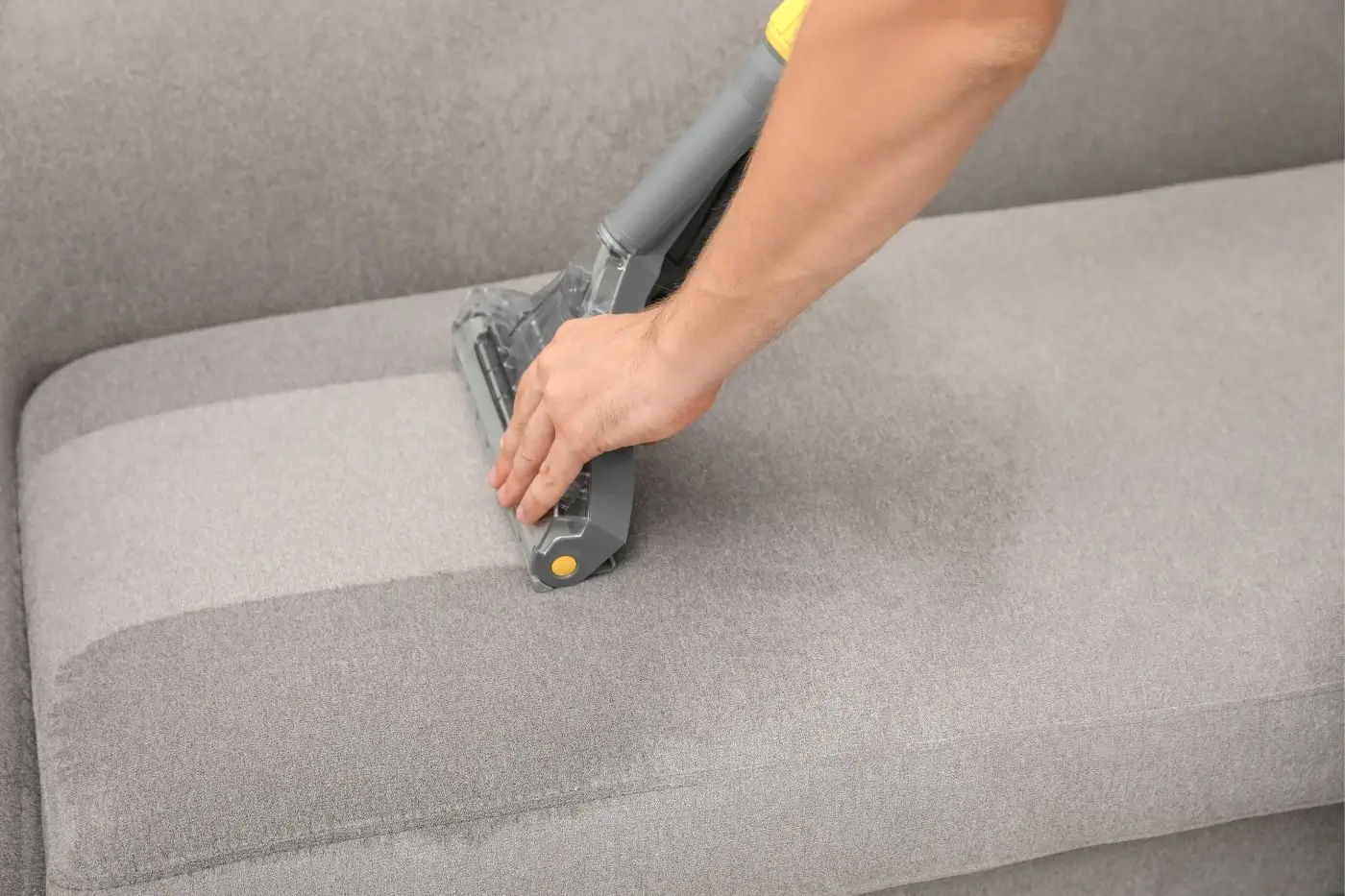
After treatment:
Proper drying prevents water rings and mildew, especially on fabric couches in humid homes.
By combining caution with practical protective measures, you can keep your couch looking fresh and avoid the frustration of stubborn ink stains in the future.
Successfully removing ink stains from your couch requires the right approach, careful attention to your fabric types, and proper care throughout the process. With the information provided in this guide, you can achieve effective results without damaging your upholstery. Understanding your fabric and using gentle methods is key. By acting quickly, using safe cleaning solutions, and following proper care steps, you can keep your furniture looking fresh and extend its lifespan.
Sometimes, ink stains can be stubborn or set too deeply to be removed at home. If a stain persists despite careful cleaning or if you want to prevent future accidents, contacting a professional is the best choice. At Ultra-Guard Fabric Protection, we offer fabric protection services and professional fabric and furniture stain protection spray, including sun and UV protection. Our stain remover spray works on upholstery, carpet, and curtains to help keep your furniture looking fresh and well-maintained.
Trust Ultra-Guard Fabric Protection to protect your investment and maintain the beauty of your home furnishings.
Can I remove ink stains from any couch fabric?
It depends on the fabric type. Always check the tag and test cleaning solutions on a hidden area first.
Should I rub or blot an ink stain?
Always blot the stain gently—rubbing can spread it or push it deeper into the fabric.
Can rubbing alcohol remove all types of ink?
Rubbing alcohol works best on ballpoint and permanent marker ink, especially on WS or S fabrics.
Is vinegar safe for all couches?
Vinegar works well on W and WS fabrics. Test first on a hidden spot to be sure.
How soon should I treat an ink stain?
The sooner, the better. Fresh stains are much easier to remove than set-in ink.
Can baking soda help remove ink stains?
Baking soda can help lift odor and moisture, but it’s usually combined with other cleaning solutions for ink removal.
Can I use the same cleaning methods on curtains?
Yes, gentle methods like blotting with appropriate solutions can work on curtains too, but always check the fabric care instructions.
Can heat help remove ink stains?
No, applying heat can actually set the ink further into the fabric, making it harder to remove.
Are permanent markers harder to remove than ballpoint pen ink?
Yes, permanent markers tend to be more stubborn and may require stronger cleaning solutions or repeated treatments.
Can old, dried ink stains be completely removed?
It’s more challenging, but some older stains can be significantly lightened with repeated gentle blotting and appropriate solutions. Complete removal may not always be possible.