Updated August 8, 2026
Spills happen. A glass of red wine tips over during a dinner party, kids track mud in from the yard, the dog has an accident on the couch. Fabric furniture takes a beating over the years, but most stains can be removed if you know what to reach for and act quickly. Here’s a complete guide to identifying, treating, and preventing the most common furniture stains.
Before You Start: 4 Things to Check
A little prep work prevents a small stain from becoming a permanent one.
- Read the manufacturer’s cleaning instructions. These often include fabric-specific warnings. Skipping them can void your warranty or make the stain worse.
- Check the cleaning code tag. Most upholstery has a tag with one of four letters:
-
- W: Water-based cleaners are safe.
- S: Solvent-based cleaners only, no water.
- WS: Either water- or solvent-based cleaners work.
- X: Vacuum or brush only, no liquid cleaners.
- Vacuum first. Removing loose dirt keeps it from working deeper into the fabric while you clean.
- Test in a hidden spot. Blot, don’t rub, when testing any cleaning solution on an inconspicuous area, like the underside of a cushion, before applying it to the stain itself.
Stain-by-Stain Removal Guide
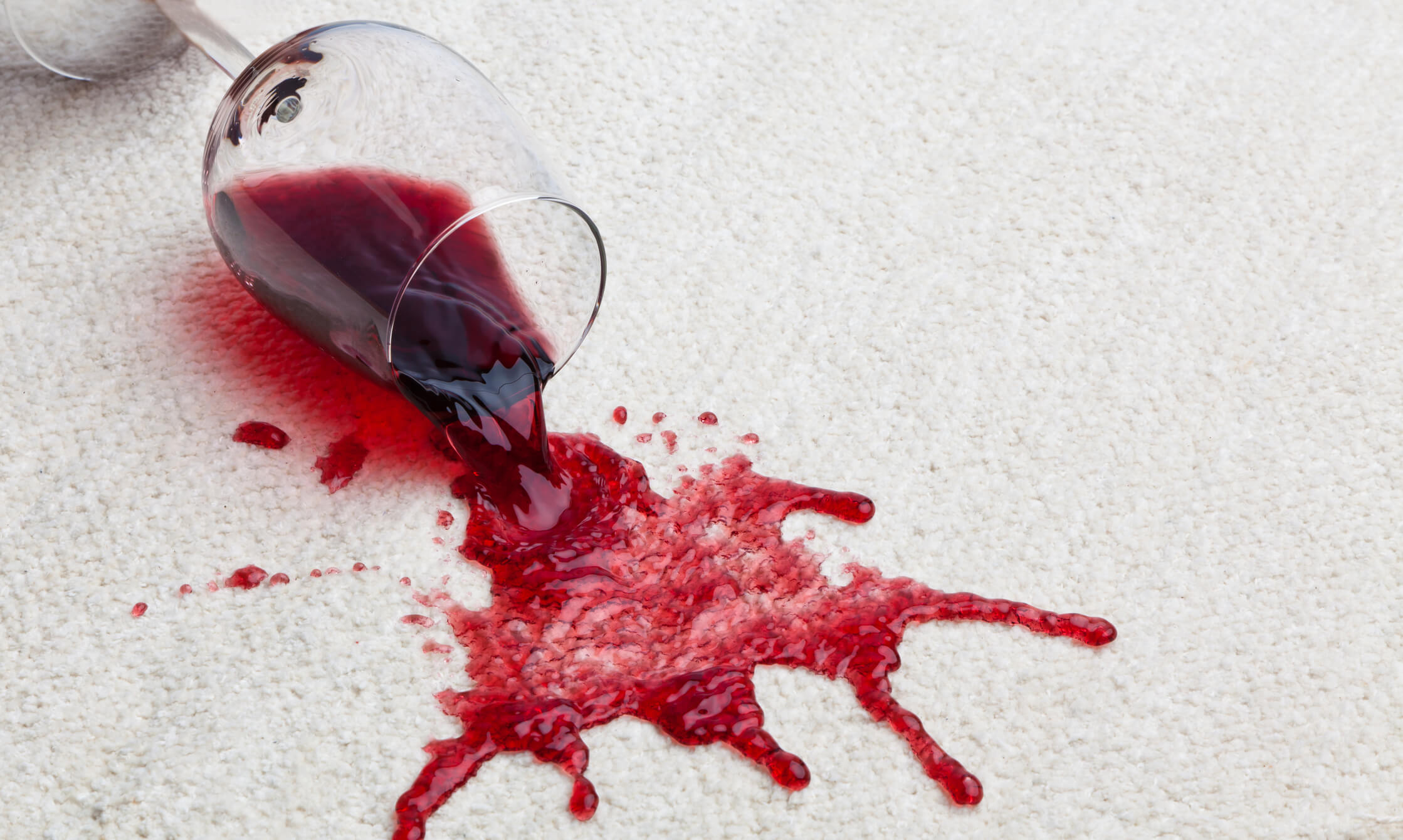
Red Wine
- Blot up excess liquid with a dry cloth. Don’t scrub; that pushes the stain deeper into the fibers.
- Pour a small amount of carbonated water directly onto the stain, then blot dry. Repeat as needed.
- Mix 1/4 cup baking soda with 1/8 cup water to form a paste. Apply it to the stain, let it dry completely (several hours), then vacuum away the residue.
Oil and Butter
- Sprinkle baking soda or cornstarch onto the stain and leave it for 15–20 minutes to absorb the grease.
- Vacuum the area with an upholstery attachment.
- Gently scrub with a small amount of dish soap and a soft brush or toothbrush.
- Blot dry with a damp paper towel.
Ink
- Mix 1 tablespoon of white vinegar with 2/3 cup rubbing alcohol.
- Blot the stain with a cloth dampened in the solution.
- Don’t rub: rubbing spreads ink stains rather than lifting them.
Dirt and Mud
- Let the mud dry completely, then scrape off the excess and vacuum the rest.
- Dissolve 1 tablespoon of clear dish soap in 2 cups of water.
- Apply the solution to the stain with a sponge.
- Blot dry, repeating as necessary.
Coffee and Beer
- For beer, rub an ice cube over the stain first.
- Mix about a teaspoon of liquid detergent with warm water.
- Apply the solution and blot with a paper towel.
- For coffee, skip the ice cube step and go straight to the detergent solution.
Pet Stains
- Combine equal parts white vinegar and cold water.
- Lightly spray the stain, avoiding oversaturating the fabric.
- Blot with a clean towel, working from the outer edge of the stain toward the center to keep it from spreading.
Fabric Chairs: A Quick Routine
- Identify the fabric type and match your cleaner to it: check the care tag or test on a hidden spot first.
- Vacuum loose dirt regularly so it doesn’t work its way into the weave.
- Make a DIY solution if the fabric can handle water: mix water and mild soap (about 3/4 water to 1/4 soap) and blot gently.
- Try hydrogen peroxide or ammonia on tougher stains, dabbing (not soaking) with a microfiber cloth after testing first. Both are effective but should be used in a ventilated room and kept off skin and out of eyes; the CDC has more detail on handling hydrogen peroxide safely and handling ammonia safely.
- Steam clean for a deeper result, and let the chair dry fully before use.
Leather Furniture: Special Cases
| Stain |
Treatment |
|
Road salt
|
Blot with a 1:1 water-and-white-vinegar solution; repeat as needed. |
|
Dark stains on light leather
|
Apply a paste of equal parts lemon juice and cream of tartar; let sit 10 minutes, reapply, then wipe clean with a damp cloth or mild soap. |
|
Mold/mildew
|
Wipe with a 1:1 water-and-rubbing-alcohol solution, then clean with a damp cloth. |
|
Ink
|
Dab with rubbing alcohol on a cotton swab, dry with a blow dryer, and treat any remaining mark with a non-oily cuticle remover overnight. |
|
Oil
|
Cover with baking soda or cornstarch, let sit several hours (or overnight) to absorb, then brush or wipe away. |
For fabric-specific guidance beyond what’s covered here, check the manufacturer’s care documentation that came with your furniture; it takes precedence over general advice like this.
Common Mistakes to Avoid
- Using the wrong cleaner. A general-purpose cleaner can damage fabric or set a stain further. Match the product to the fabric type.
- Skipping the spot test. Always test in a hidden area first.
- Scrubbing instead of blotting. Hard scrubbing spreads stains and can damage fibers; blot gently instead.
- Waiting too long. The faster you treat a stain, the better your odds of fully removing it.

Preventing Future Stains
- Vacuum regularly with an upholstery attachment to keep dirt from building up.
- Spot-clean spills immediately with mild detergent and warm water, then blot dry.
- Apply a fabric protector to create a barrier against spills before they happen. A treated piece resists staining even when accidents happen fast.
- Use coasters and placemats to prevent heat marks and rings from cups and dishes.
When to Call a Professional
Some stains, deep-set, old, or on delicate fabrics, are better left to professionals. They have access to specialized equipment and products, like oxygen-based spot removers, that can lift stains without risking damage to the fabric. If a stain won’t budge after a couple of attempts, or you’re working with a fabric you’re unsure how to treat, it’s worth calling in an expert rather than risking the furniture.
Frequently Asked Questions
Can I clean fabric furniture with just water?
Water works for light, fresh stains, but it usually can’t cut through grease-based marks. Avoid over-wetting the fabric, and blot rather than scrub so the stain doesn’t spread deeper into the fibers.
What’s the best way to remove food stains?
Scrape off excess food, blot with a damp cloth, then apply a mild detergent or dish soap solution. For stubborn stains, follow up with a stain remover or a vinegar-water mix.
What cleaning products work best on fabric furniture?
It depends on the fabric: a foaming cleaner works well on delicate upholstery, while a spray stain remover is better for tougher stains. Always follow the manufacturer’s instructions for your specific fabric.
How do I freshen fabric furniture after cleaning?
Fluff the fabric with a soft brush or use a fabric refresher spray. Regular cleaning and maintenance keep furniture looking newer for longer.
Should I call a professional if I can’t remove a stain?
Yes. If a stain persists after a couple of attempts, or you’re worried about damaging the fabric, a professional upholstery cleaner has the tools and expertise to handle it safely.
What if my furniture smells after cleaning?
Sprinkle baking soda generously over the fabric, let it sit for 15 to 20 minutes, then vacuum it up. A fabric freshener spray can help too. Make sure the fabric is completely dry before applying either.
Can I use a pressure washer on outdoor fabric furniture?
No. The force can damage the fabric’s texture and shape, even outdoors. Use an upholstery cleaner suited to the material, or a gentle hose spray instead.
How do I get grease stains out of fabric furniture?
Apply cornstarch or baking soda to absorb excess oil, let sit for 15 minutes, then vacuum. Follow up with a small amount of dish soap mixed with warm water, blot gently, and rinse with clean water.
What’s the best way to remove coffee stains?
Blot promptly with a clean cloth, then apply a water-and-mild-detergent solution or a vinegar-water mix. Repeat blotting until the stain lifts, then rinse with clean water. A specialized fabric stain remover can help with set-in stains.
How do I treat mold or mildew on fabric furniture?
Brush off visible mold gently, then apply a 1:1 white vinegar and water solution. Let it sit a few minutes, scrub lightly, and rinse. Dry the piece completely in a well-ventilated area to prevent regrowth.